• 2015 Gulf of Mexico dead zone ‘above average’

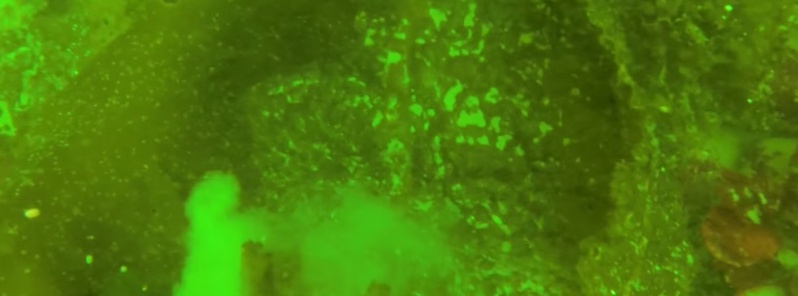
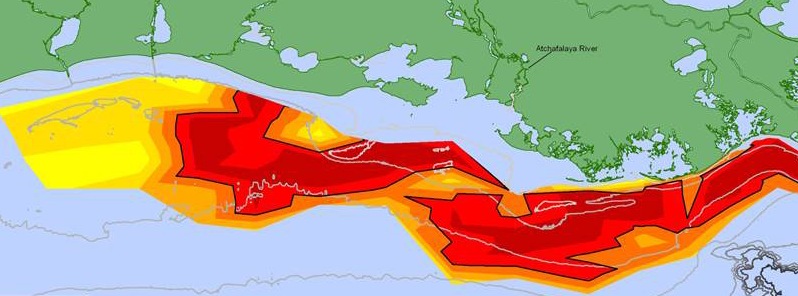
    Scientists have found this year’s Gulf of Mexico dead zone, an area of low to no oxygen that can kill fish and marine life, is, at 16 767 square km (6 474 square miles), above average in size and larger than forecast by NOAA in June. The larger than expected forec
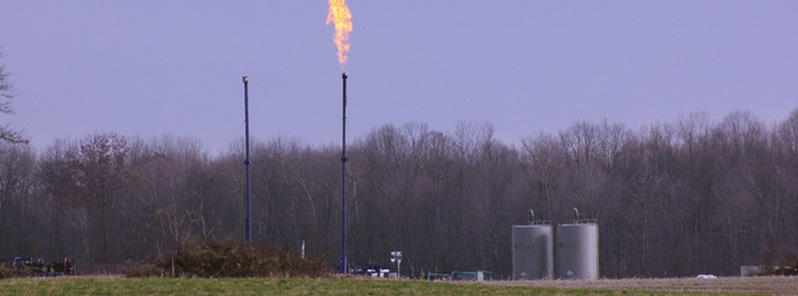
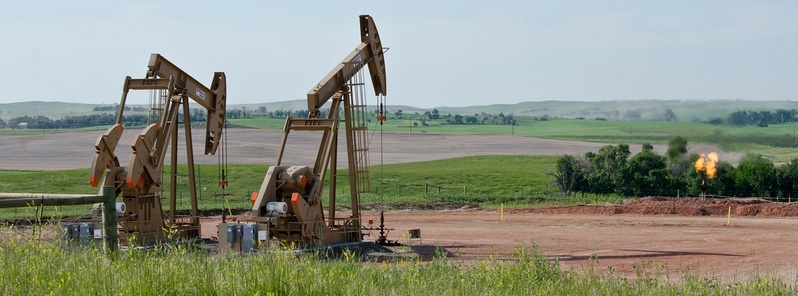
  • People near fracking wells show higher hospitalization rates

    Over the past ten years in the United States, unconventional gas and oil drilling using hydraulic fracturing, or fracking, has experienced a meteoric increase. Since well drilling requires an influx of water, materials and workers into yotherwise rural and remote

  • High air pollution currently being measured across England and Wales

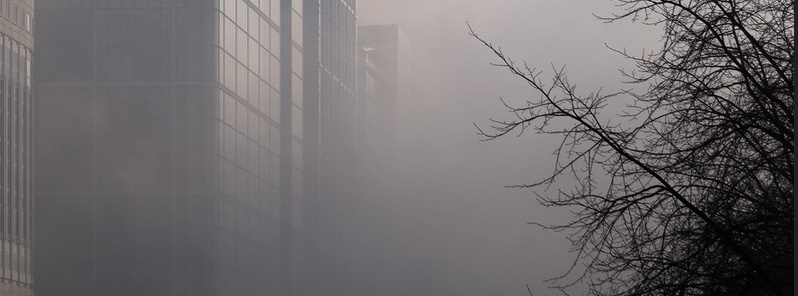
    High air pollution is currently (March 19, 2015) being measured across a number of regions in England and Wales. This is due to pollution brought in via winds from the continent and particulate matter from a combination of local sources, the Department for Environment,

  • 8 million tons of new plastic waste enters our oceans each year

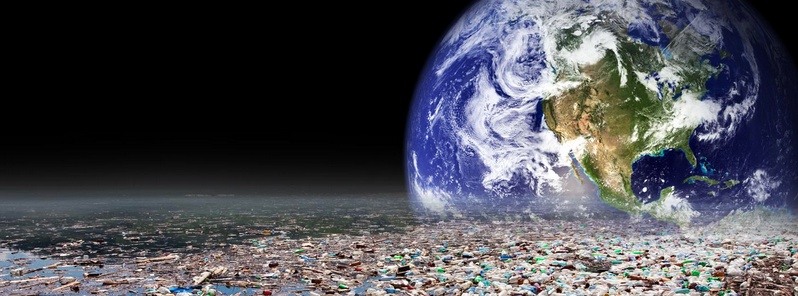
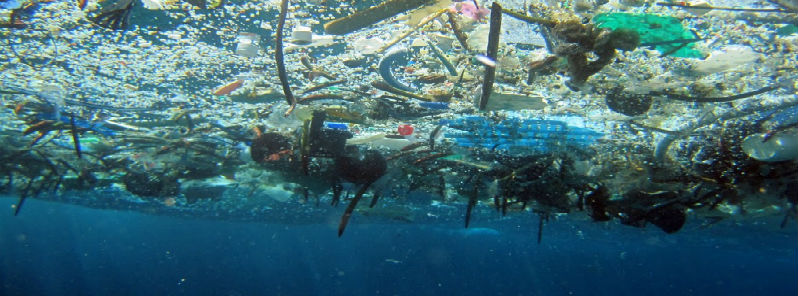
    Plastic debris in the marine environment is well known and widely documented, but the quantity of plastic making its way into the world’s oceans and from where it originates has been a mystery until now.A new study published today in the journal Science, quantifie

  • Mercury concentrations in Hawaiian yellowfin tuna increasing

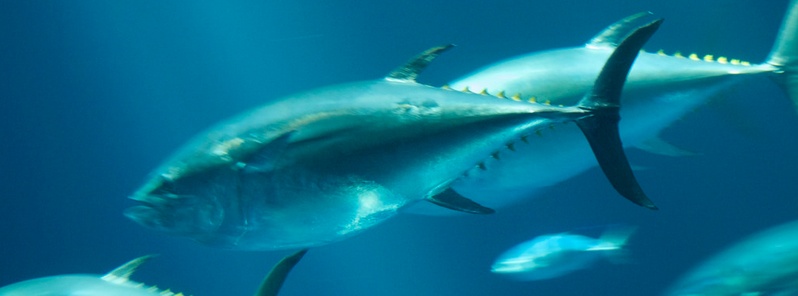
    Mercury concentrations in Hawaiian yellowfin tuna are increasing at a rate of 3.8 percent or more per year, according to a new University of Michigan-led study that suggests rising atmospheric levels of the toxic substance are to blame. Mercury is a toxic trace metal th

  • Fluorescent blue, harmful algal bloom along the Hong Kong shores

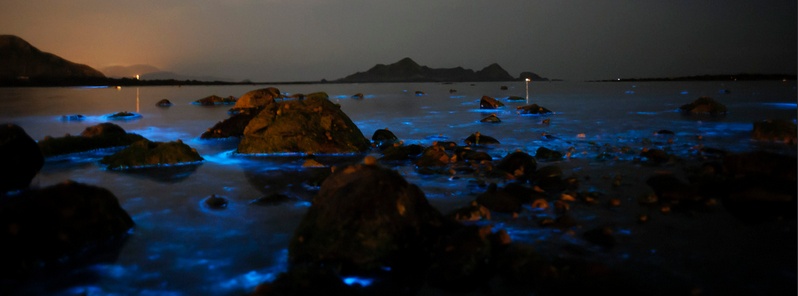
    A bioluminescent algal bloom created by Noctiluca scintillans, commonly known as Sea Sparkle, is turning Hong Kong's seashores into a spectacular and disturbing sight this week. Scientists say the fluorescent blue glow is an indicator of a harmful algal bloom. Altho

  • Mercury from gold mines accumulates hundreds of miles downstream

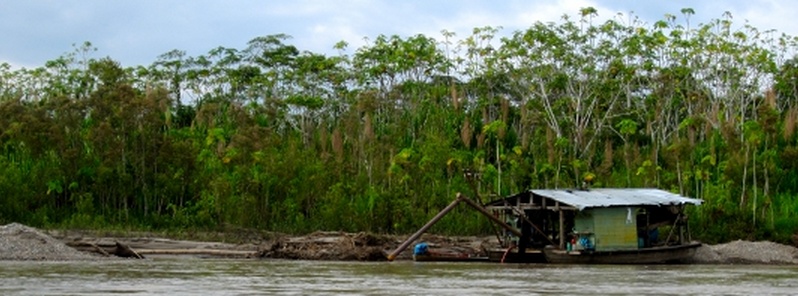
    Duke University researchers have found hazardous levels of mercury hundreds of miles downstream from Peruvian gold mines. Researchers have determined that the health risks taken on by artisanal, small-scale gold miners extend far beyond the miners themselves. Based…