The Watchers team and our contributors bring the latest on extreme weather, earthquakes, volcanic eruptions, space weather, and all things science. We're all about making sense of the natural world and keeping you informed on what’s happening. Got a tip or a question? Hit us up using the form at newstips!

  • Lighting up the cosmological candle on the surface of the Earth

    According to the current standard solar dogma, the process of solar cycle activity including the reversal of solar polarity is induced internally by the Sun itself. But, in physical reality, this notion is not true. The Sun, like all stars, is a variable star and…
  • Temperature identified as new trigger for explosive volcanic eruptions

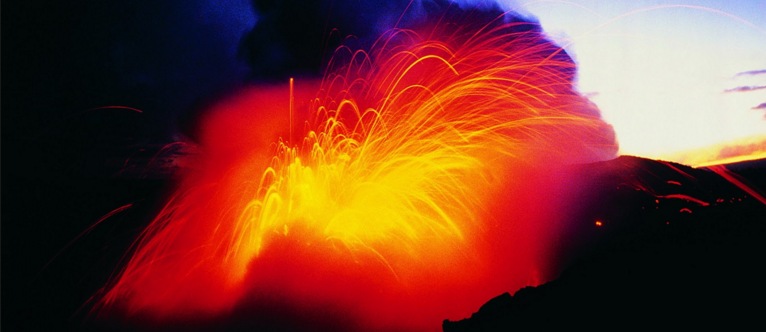
    Studying magma ascent, geoscientists at the University of Liverpool have found that temperature may be more important than pressure in generating gas bubbles that trigger explosive volcanic eruptions. In a paper published recently in the journal Nature, researchers…

  • European Space Agency: Preview 2016

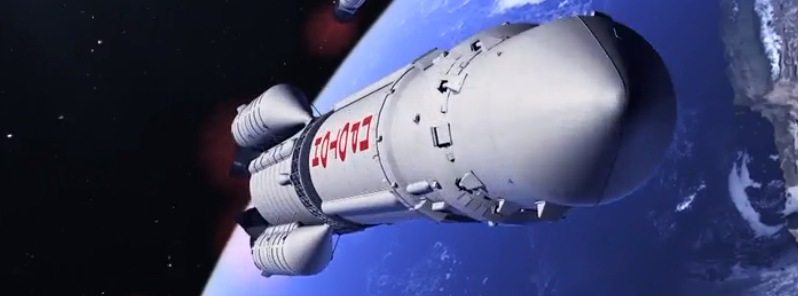
    2016 will be another full and exciting year for the European Space Agency. This ESA TV video takes a look at what's ahead. It will be a 'Martian year' in particular with the ExoMars launch next March and with the landing of its descent module in October…

  • UK’s December 2015 breaks records for both rainfall and temperature

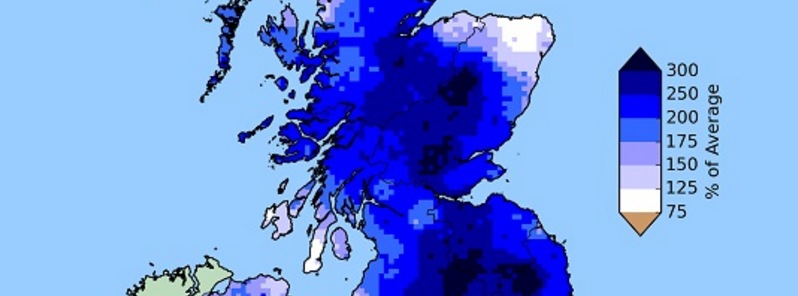
    The UK Met Office has confirmed today that December 2015 has broken records for both rainfall and temperature. "The month was not only the wettest December on record, but also the wettest calendar month overall since the records began in 1910," Met Office…

  • BOM: 2015-16 El Niño has peaked

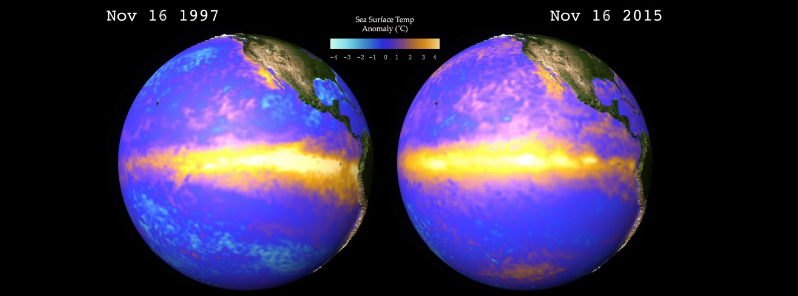
    Australian Bureau of Meteorology (BOM) reports that a number of El Niño-Southern Oscillation (ENSO) indicators suggest the 2015-16 El Niño has peaked in recent weeks. "Tropical Pacific Ocean temperatures suggest this event is one of the top three…

  • Moon’s phases and libration at hourly intervals throughout 2016

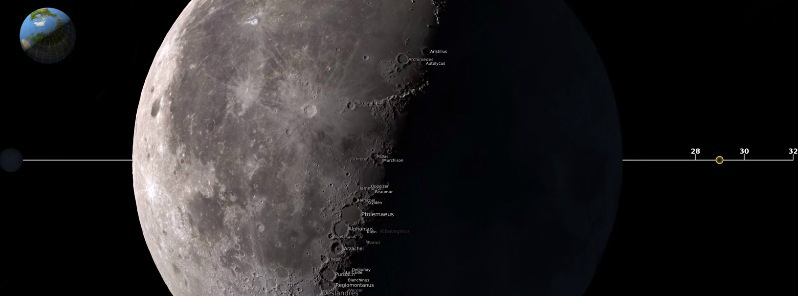
    These visualizations show the Moon's phases and libration at hourly intervals throughout 2016, as viewed from both northern and southern hemispheres. Each frame represents one hour. In addition, the visualizations show the Moon's orbit position, sub-Earth…

  • Our violent universe

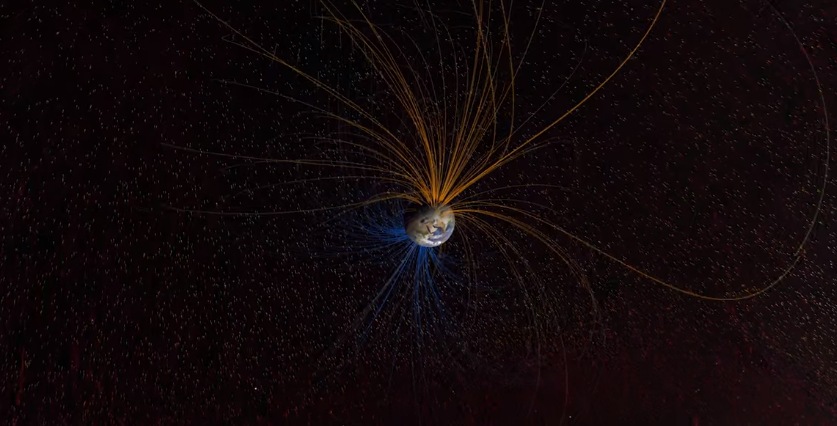
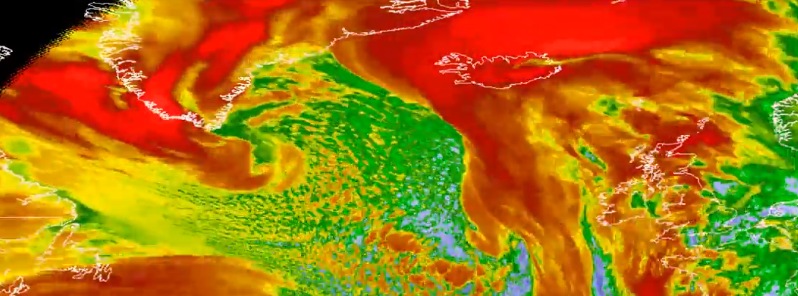
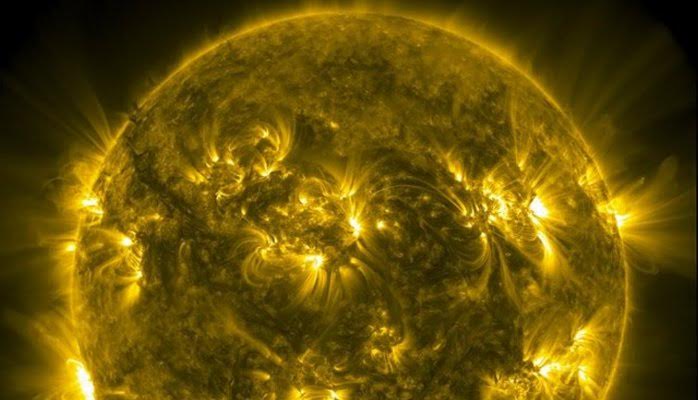
    Our universe is more than a serene landscape of stars – it is teeming with activity from some extremely violent events. In a presentation at the IMAX theatre at the Smithsonian National Air and Space Museum in Washington, D.C. on September 30, scientists take us…

  • Synthesis: NASA data visualizations in Ultra-HD

    Our senses tell us about the natural world, but our senses cannot tell us everything. That’s why we use tools, and NASA develops some of the most sophisticated, most exciting tools of all. Designed to reveal aspects of the Earth, the Sun, The Moon, these tools…