The Watchers team and our contributors bring the latest on extreme weather, earthquakes, volcanic eruptions, space weather, and all things science. We're all about making sense of the natural world and keeping you informed on what’s happening. Got a tip or a question? Hit us up using the form at newstips!

  • Satellite view of massive southwest US storm system

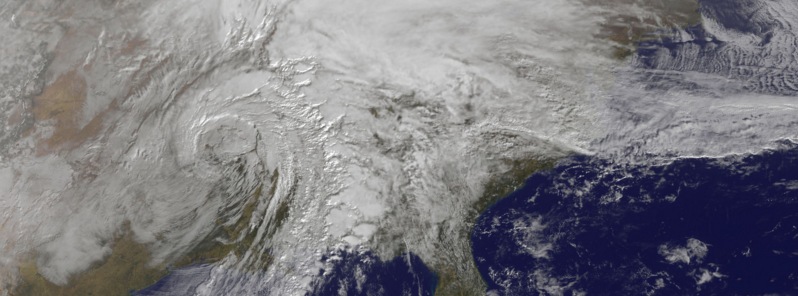
    This animation of NOAA's GOES-East satellite imagery over the course of two days (December 26 – 28) shows a massive low pressure system that generated severe weather in the southwestern and central US bringing snow, heavy rainfall, flooding and tornadoes. During…
  • Giant comets pose a much greater hazard to life than asteroids

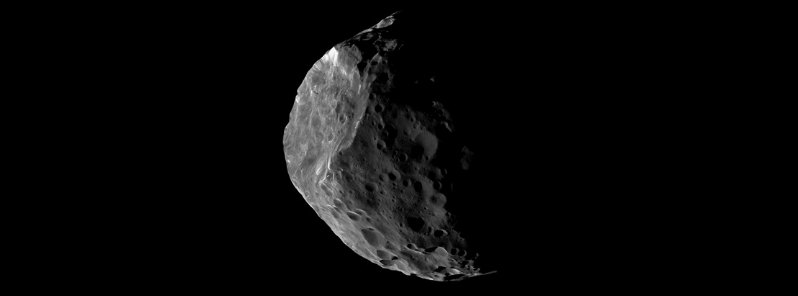
    The discovery of hundreds of giant comets in the outer planetary system over the last two decades means that these objects pose a much greater hazard to life than asteroids, a team of astronomers from Armagh Observatory and the University of Buckingham report. The…

  • Mystery behind ‘auroral breakup’ unlocked

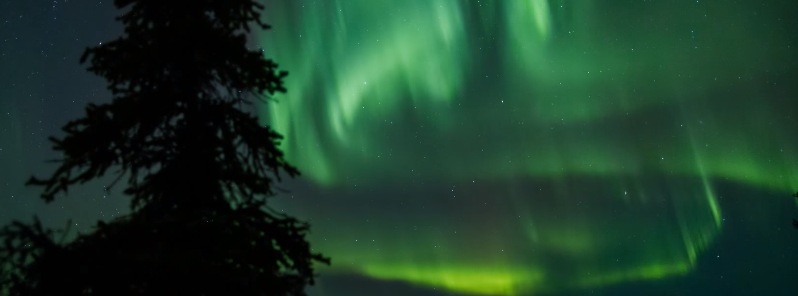
    In a new study published today in the Journal of Geophysical Research, Japanese scientists claim they have solved the mystery of auroral breakups – the formation of auroral substorms and the sudden bursts of brightness. The study overthrows existing theories about…

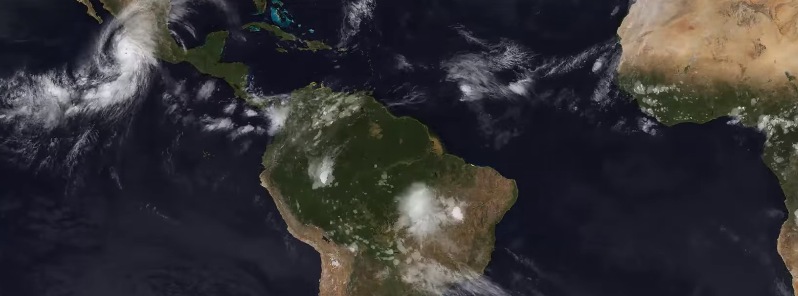
  • South American weather patterns 2015

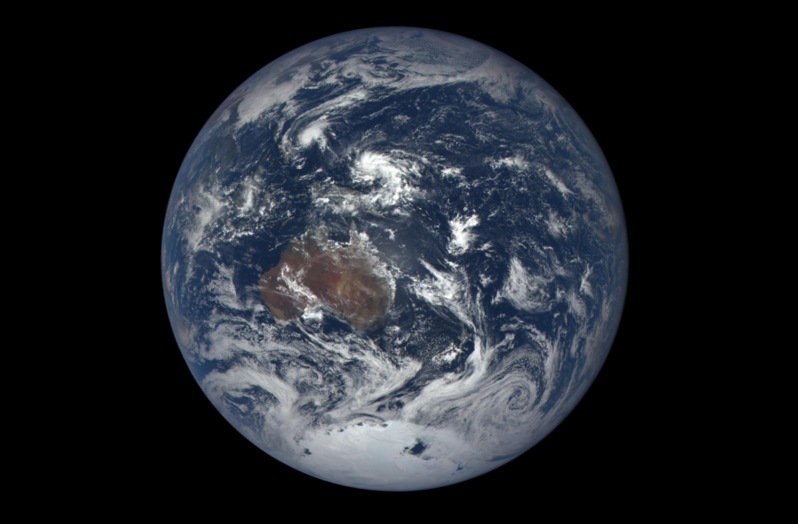
    In this composite video, comprising infra-red data from the geostationary satellites of EUMETSAT and NOAA, you can see the weather situation over the eastern Pacific Ocean, South America, the Atlantic Ocean and areas of western and southern Africa from January to…

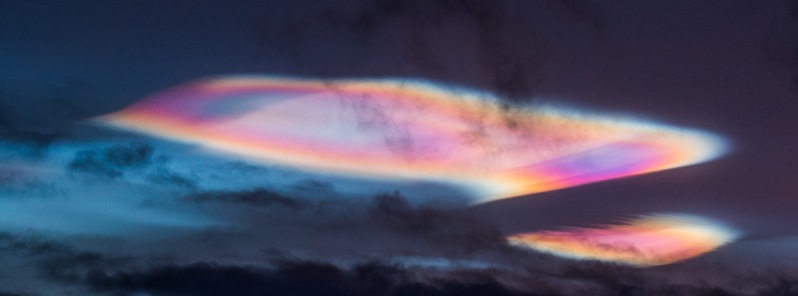
  • Nacreous clouds appear around the Arctic Circle

    Sky watchers are observing an outbreak of polar stratospheric clouds or PSCs around the Arctic Circle, SpaceWeather reports. Unlike normal grey-white clouds, which hug Earth's surface at altitudes of only 5 to 10 km (3.1 – 6.2 miles), PSCs float through the…

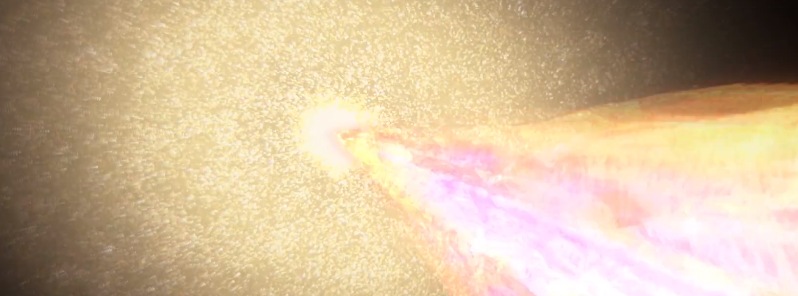
  • Blazar bonanza

    A long time ago in a galaxy half the universe away, a flood of high-energy gamma rays began its journey to Earth. When they arrived in April, NASA's Fermi Gamma-ray Space Telescope caught the outburst, which helped two ground-based gamma-ray observatories detect…

  • Two new studies offer new clues to Ceres’ bright spots and origins

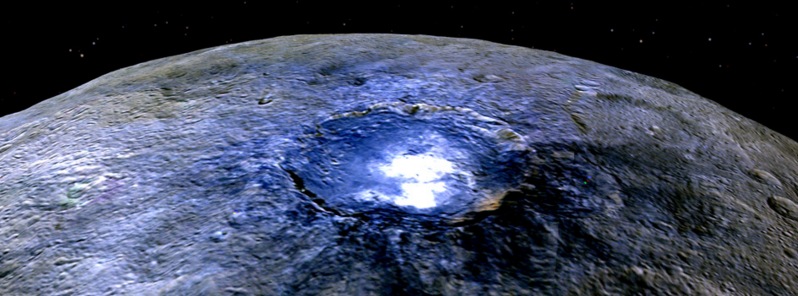
    Two new studies reveal some of Ceres' well-kept secrets, including highly anticipated insights about mysterious bright features found all over the dwarf planet's surface. In one study, scientists identify this bright material as a kind of salt, while the…

  • New visualization of space weather at Pluto

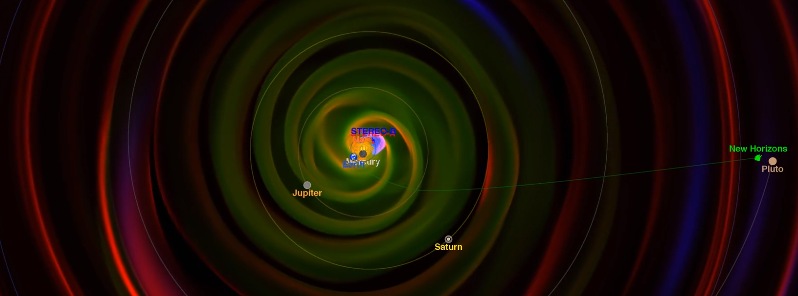
    This video, made by NASA's Goddard Space Flight Center Scientific Visualization Studio, shows a new simulation of the space environment all the way out to Pluto in the months surrounding New Horizons’ July 2015 flyby. At the time, Goddard's…