The Watchers team and our contributors bring the latest on extreme weather, earthquakes, volcanic eruptions, space weather, and all things science. We're all about making sense of the natural world and keeping you informed on what’s happening. Got a tip or a question? Hit us up using the form at newstips!

  • Does dark matter actually exist?

    Scientists working at the Lawrence Livermore National Laboratory are proposing a radical new theory about the nature of invisible, theoretical dark matter particles. The scientists have developed what they call a “stealth dark matter” model, which…
  • Comet 67P’s mysterious form

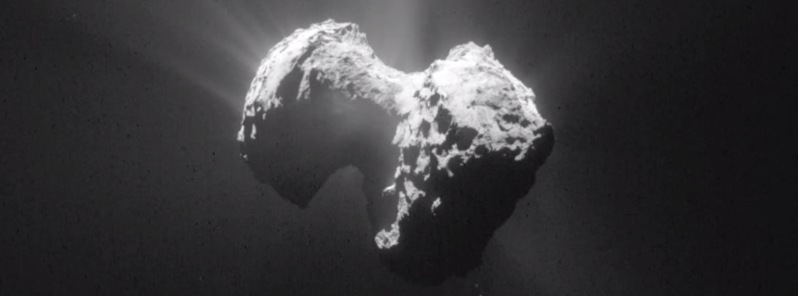
    The team behind The ThunderBolts Project has started a new series of reports that will discuss the latest scientific papers on the European Space Agency’s Rosetta mission to comet 67P. In addition to countless unresolved puzzles facing comet scientists, they…

  • Solar wind flows through space with gusting turbulence and swirling vortices

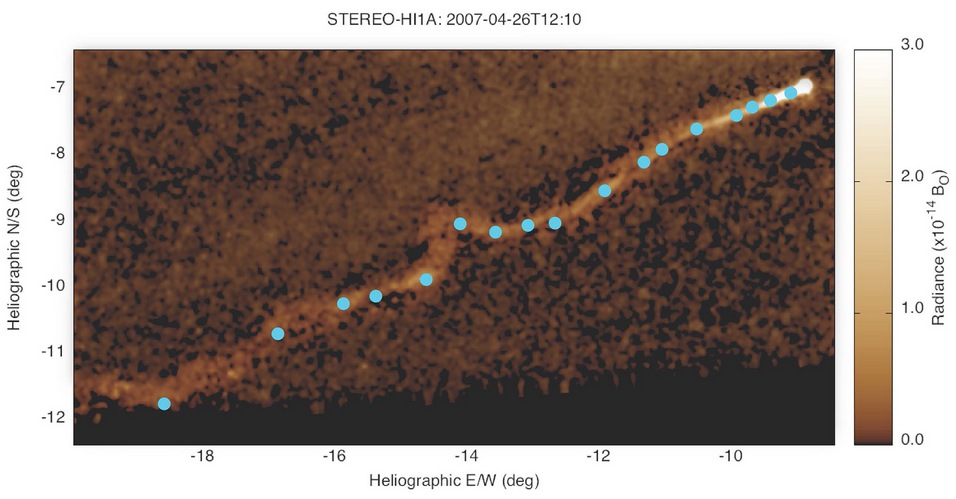
    A team of scientists led by the heliophysics group at Southwest Research Institute (SwRI) has used observations of Comet Encke’s tail using NASA’s Solar and Terrestrial Relations Observatory (STEREO), and revealed that the solar wind flows through the…

  • Stephen Crothers: General Relativity – A case study in numerology

    For many people, Einstein’s General Theory of Relativity lies hidden behind an impenetrable wall of complicated mathematics, superposed upon the widespread misconception that only those smarter than the average bear, with a penchant for doing long sums, can…

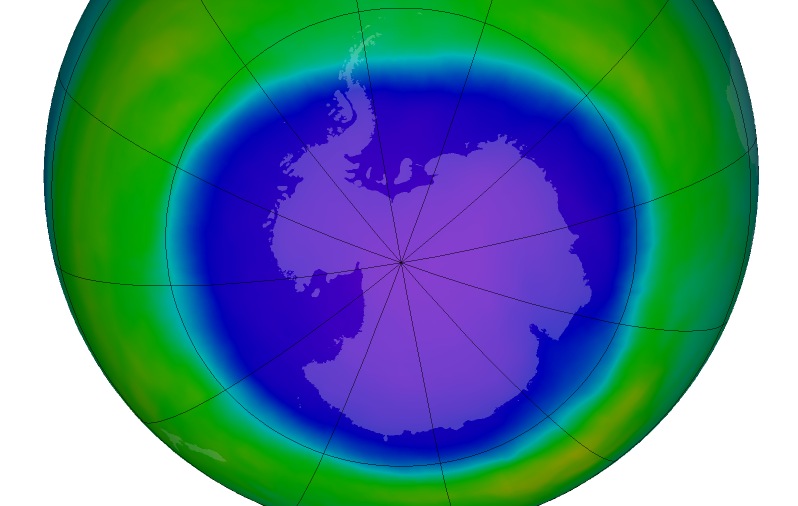
  • A sharp decline in concentration of ozone destroying HCFC-133a gas reported

    A new study lead by Martin Vollmer of the Swiss Federal Laboratories for Materials Science and Technology has found that after a rapid increase in anthropogenic compound named HCFC-133a (CF3CH2Cl), an ozone destroying gas, the atmospheric abundance and emissions…

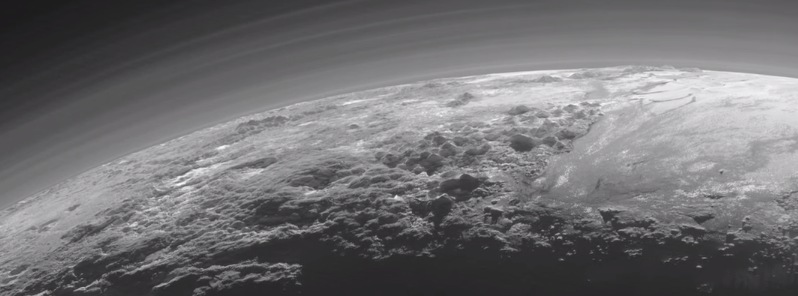
  • Pluto continues to surprise

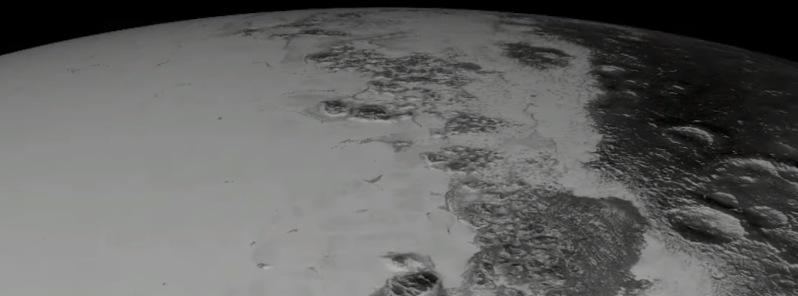
    In the previous Space News episode, we discussed recent, astonishing images of the surface of the dwarf planet Pluto. Many other surprises have already been revealed in the data thus far released from NASA’s New Horizons mission. Today, physicist Eugene…

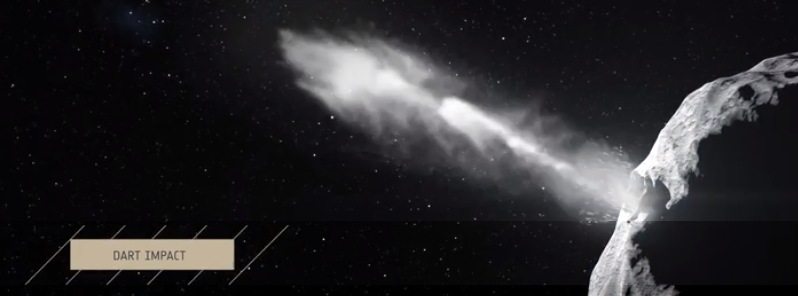
  • Asteroid Impact Mission (AIM): Deflecting asteroids to protect Earth

    Our planet is constantly bombarded by small asteroids that try to penetrate its protective atmosphere. The vast majority don't get through, but larger asteroids could pose a threat. Understanding better the surface and internal structure of asteroids is crucial…

  • Electrical geology of Pluto and Comet 67P

    NASA's New Horizons mission to the dwarf planet Pluto continues to provide planetary scientists with new challenges and deepening mysteries. Likewise, the Rosetta mission to comet 67P has revealed startling cometary phenomena that conventional theory cannot…