The Watchers team and our contributors bring the latest on extreme weather, earthquakes, volcanic eruptions, space weather, and all things science. We're all about making sense of the natural world and keeping you informed on what’s happening. Got a tip or a question? Hit us up using the form at newstips!

  • One step closer to solving the mystery of Mars’ atmosphere loss

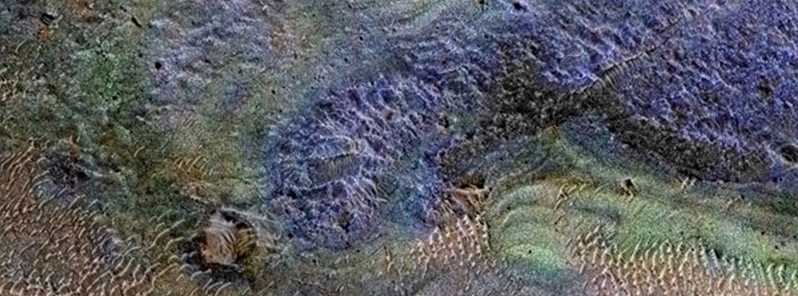
    A new analysis of the largest known deposit of carbonate minerals on Mars suggests that the original Martian atmosphere may have already lost most of its carbon dioxide by the era of valley network formation.Carbon dioxide makes up most of the Martian atmosphere. That g
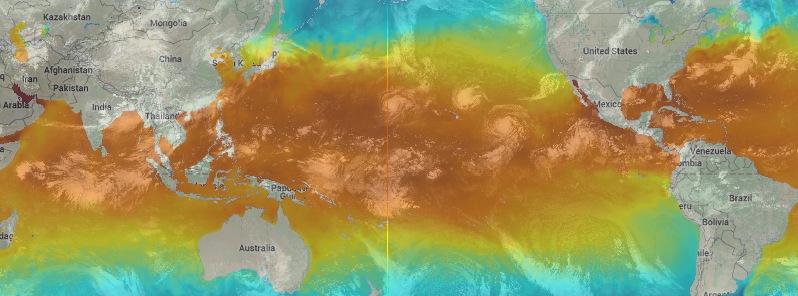
  • 2015 El Niño event strongest since 1997–98

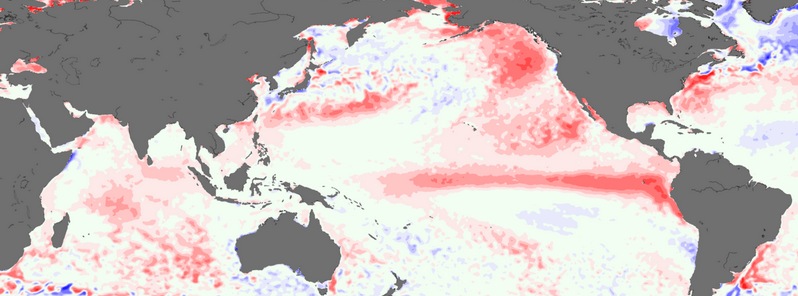
    Australian Bureau of Meteorology (BOM) issued its latest analysis and the status of the 2015 El Niño today, confirming it is the strongest El Niño since 1997-98.The tropical Pacific Ocean and atmosphere are fully coupled, with sea surface temperatures

  • Equatorial regions prone to disruptive space weather, not just high latitudes

    A new study led by Boston College scientists finds that smaller scale space weather events are amplified near the equator, putting power grids at risk in regions previously considered safe.According to Brett A. Carter, lead author of the new study published in in

  • Earthquake swarm in far northwest Nevada continues

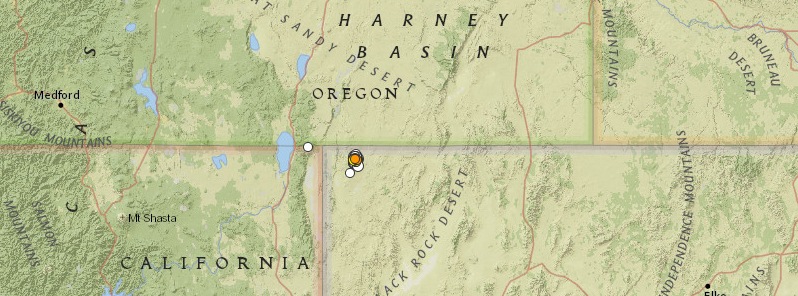
    The earthquake activity that began in July 2014 in the Sheldon Wildlife Refuge in far northwest Nevada is continuing to shake residents, University of Nevada, Reno reports. Their seismologists are monitoring the on-going activity that includes three earthquakes larger t

  • Odds keep rising for a big El Niño in 2015

    El Niño has arrived, it’s getting stronger, and it’s not about to go away soon. And already there are rumblings that this could be a big one. El Niño in Australia means warmer temperatures, and sometimes, but not always, drier conditions.In

  • Antarctica may hold the key to regulating mining in space

    Our current era may go down in history as the century of space exploration and off-Earth resource exploitation. But there are still considerable policy hurdles to overcome in terms of how we regulate such activities.As we turn our eyes to the skies, we should also look

  • 2015 Gulf of Mexico dead zone ‘above average’

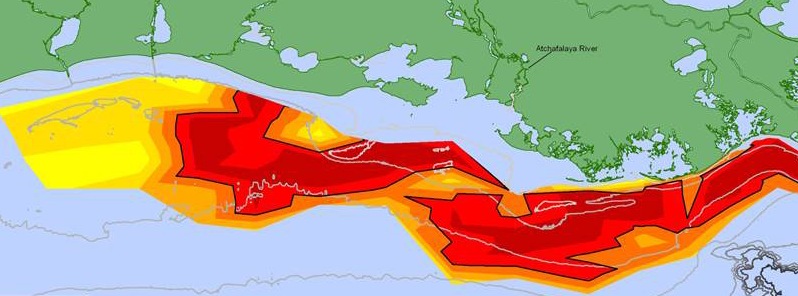
    Scientists have found this year’s Gulf of Mexico dead zone, an area of low to no oxygen that can kill fish and marine life, is, at 16 767 square km (6 474 square miles), above average in size and larger than forecast by NOAA in June. The larger than expected forec