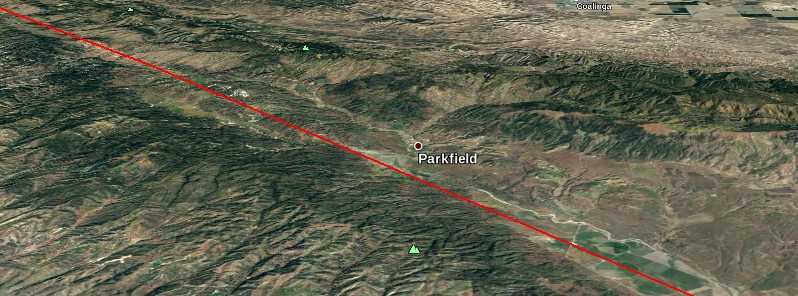
• Parkfield segment of San Andreas fault can host large earthquakes

    Although magnitude 6 earthquakes occur about every 25 years along the Parkfield Segment of the San Andreas Fault, geophysical data suggest that the seismic slip induced by those magnitude 6 earthquakes alone does not match the long-term slip rates on this part of…

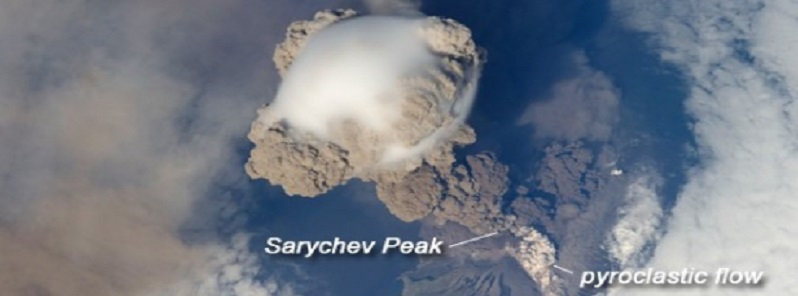
  • High-latitude volcanic eruptions also have global impact

    Volcanic eruptions always seize the attention of climate scientists, because the sulfate aerosols formed in the volcanic plumes may stay months to years in the stratosphere – the second layer of the Earth's atmosphere – resulting in the increase of radiation…

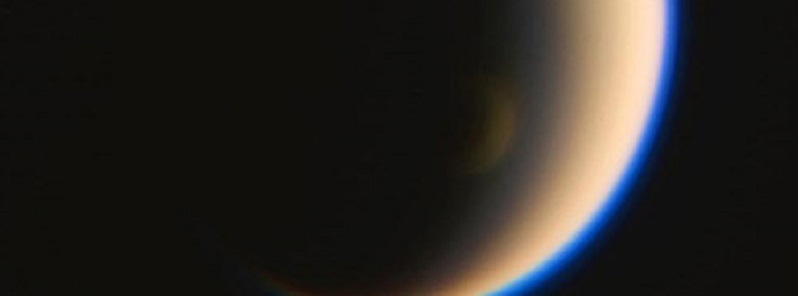
  • Unexpected atmospheric vortex behavior on Saturn’s moon Titan

    A new study, led by a University of Bristol earth scientist, has shown that recently reported unexpected behavior on Titan, the largest moon of Saturn, is due to its unique atmospheric chemistry. Titan’s polar atmosphere recently experienced unexpected and…

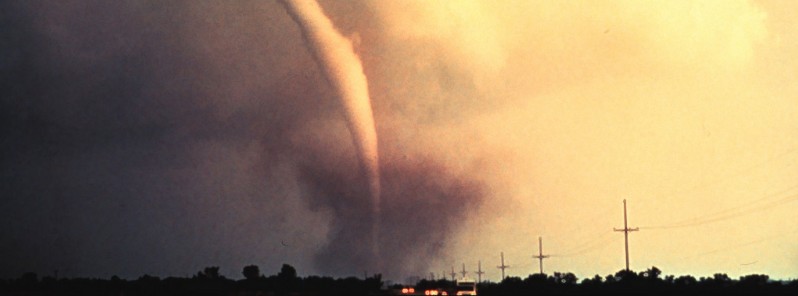
  • Breakthrough in tornado short-term forecasting

    When mere seconds of storm warning could mean the difference between harm or safety, two researchers with Western University ties have developed a tornado-prediction method they say could buy as much as 20 minutes more warning time. These radar-based calculations…

  • IceCube experiment measures Earth’s ability to absorb neutrinos

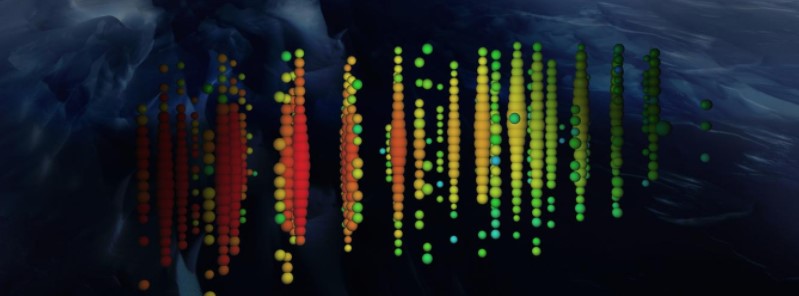
    For the first time, a science experiment has measured Earth's ability to absorb neutrinos – the smaller-than-an-atom particles that zoom throughout space and through us by the trillions every second at nearly the speed of light. The experiment was achieved with…

  • Mysterious deep-Earth seismic signature explained

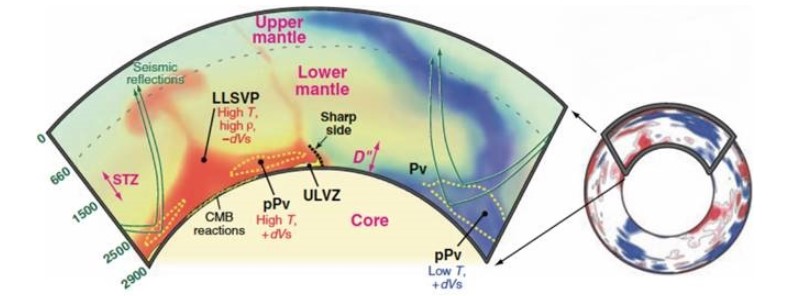
    New research on oxygen and iron chemistry under the extreme conditions found deep inside the Earth could explain a longstanding seismic mystery called ultralow velocity zones. The findings could have far-reaching implications on our understanding of Earth's…

  • Thunderstorms create radioactivity

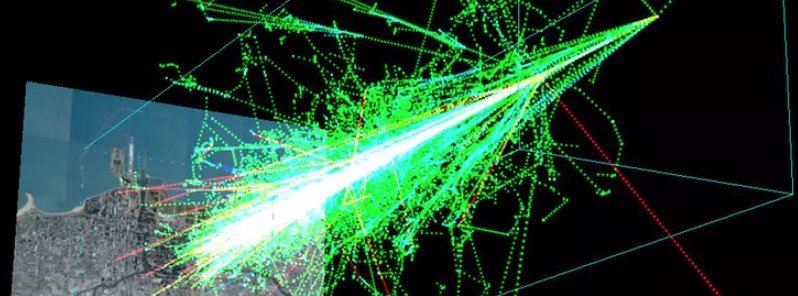
    A new study, published this week in Nature, shows that thunderstorms can also produce radioactivity by triggering nuclear reactions in the atmosphere. This may sound like the plot of a blockbuster science fiction disaster. But in reality, it’s nothing to worry…

  • New insights into processes that cause volcanism

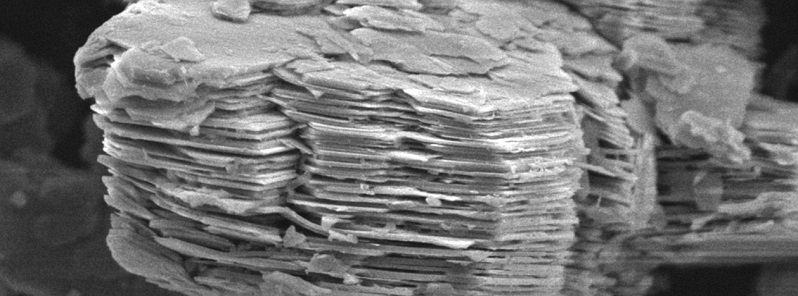
    The first observation of a super-hydrated phase of the clay mineral kaolinite could improve our understanding of processes that lead to volcanism and affect earthquakes. In high-pressure and high-temperature X-ray measurements that were partly conducted at DESY…