• How cosmic rays produce clouds and influence Earth’s climate

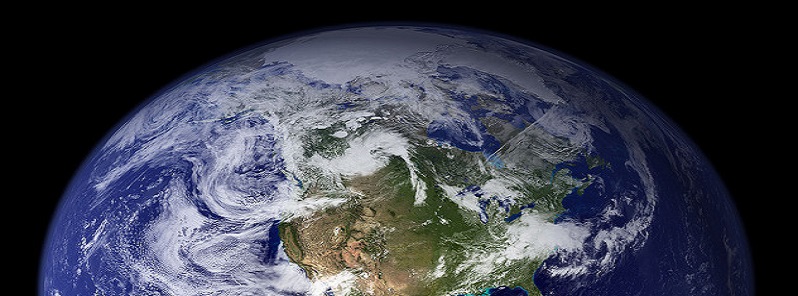
    A new study published in Nature Communications this week reveals how atmospheric ions, produced by the energetic cosmic rays raining down through the atmosphere, helps the growth and formation of cloud condensation nuclei – the seeds necessary for forming clouds in…

  • Unearthing the underground effects of earthquakes and volcanoes

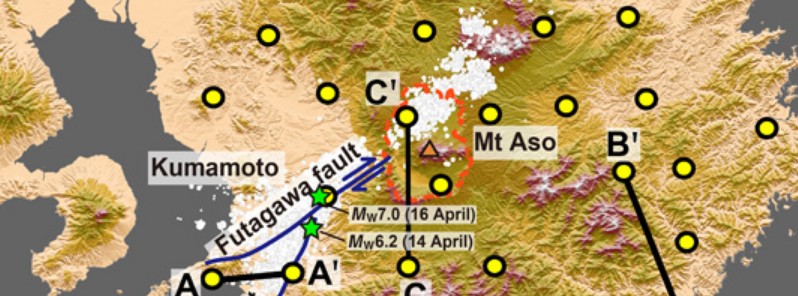
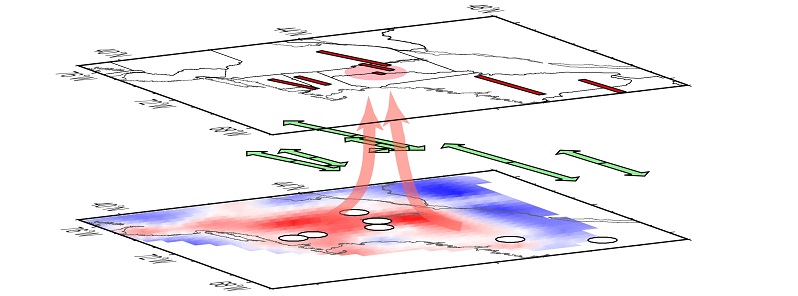
    Japanese researchers find predictive potential in underground changes associated with 2016 Kumamoto earthquake and subsequent volcanic eruptions. Most of what we know about earthquakes and volcanoes is based on what we can observe at the Earth's surface….

  • Two Super-Earths around red dwarf K2-18

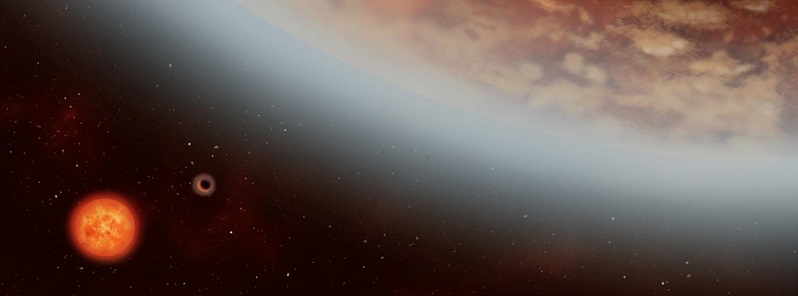
    New research using data collected by the European Southern Observatory (ESO) has revealed that a little-known exoplanet called K2-18b could well be a scaled-up version of Earth. Just as exciting, the same researchers also discovered for the first time that the…

  • Astronomer’s map reveals location of mysterious fast-moving gas

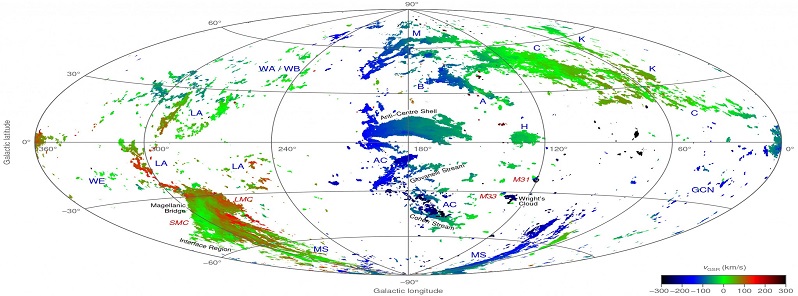
    An Australian scientist has created the most detailed map ever of clouds of high-velocity gas in the Universe around us. The map covers the entire sky and shows curious clouds of neutral hydrogen gas that are moving at a different speed to the normal rotation of the…

  • When magma prevents volcanic eruptions

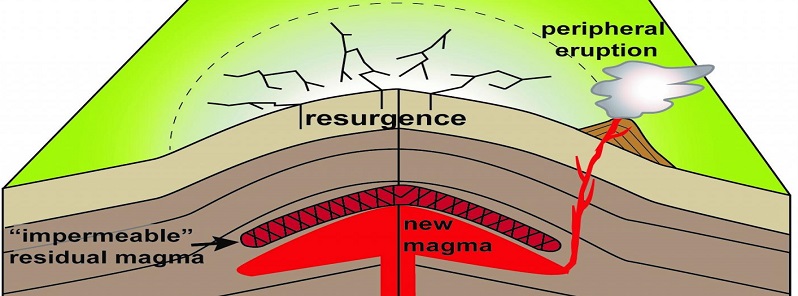
    Why does the floor of calderas lift disproportionately without erupting? Researchers from UNIGE and Roma Tre used thermal and experimental models to explain one of the least-understood processes in volcanology: 'Caldera resurgence' A spectacular proof of our…

  • Mass of warm rock is rising beneath New England

    Slowly but steadily, an enormous mass of warm rock is rising beneath part of New England, although a major volcanic eruption isn't likely for millions of years, a Rutgers University-led study suggests. The research is groundbreaking in its scope and challenges…