• Researchers identify small signals in the corona to improve solar flare predictions

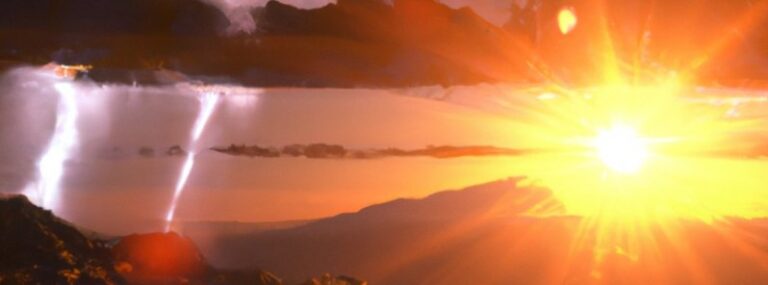
    A team of scientists from NorthWest Research Associates (NWRA) have made a breakthrough discovery in the study of solar flares, using data from NASA’s Solar Dynamics Observatory (SDO). The researchers found small signals in the upper layers of the solar atmosphere, known as the corona, that can indicate which regions on the Sun are more likely to produce solar flares.

  • Study provides the darkest and deepest view of interstellar ices

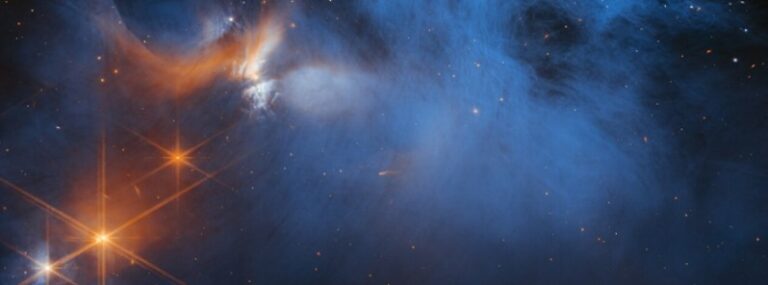
    An international team of scientists have used the James Webb Space Telescope (JWST) to study ices in interstellar clouds, providing new insights into the chemical processes of one of the coldest, darkest places in the universe. The study, published in Nature Astronomy, found that these ices are formed from the earliest moments of the universe and contain biogenic elements that are important for life.

  • Study reveals magma chamber at submarine Kolumbo volcano near Santorini, Greece poses a serious threat

    A new study published in AGU’s Geochemistry, Geophysics, Geosystems has revealed the existence of a magma chamber beneath the Kolumbo volcano, located near Santorini, Greece. Using a high-resolution technology called full-waveform inversion, the study found that the magma chamber poses a serious hazard as it could produce a highly explosive, tsunamigenic eruption in the near future.

  • Unlocking solar activity: Correlation between the Sun’s Hale magnetic cycle and Extended Solar Cycle

    New research from the Wilcox Solar Observatory (WSO) has found evidence for the correspondence of the “Extended Solar Cycle” (ESC) to the Sun’s Hale magnetic cycle. The research emphasizes the intrinsic power of synoptic observations, particularly at a time when it is becoming increasingly difficult to sustain such efforts.

  • New era of violent and unpredictable eruptions at Stromboli volcano, Italy

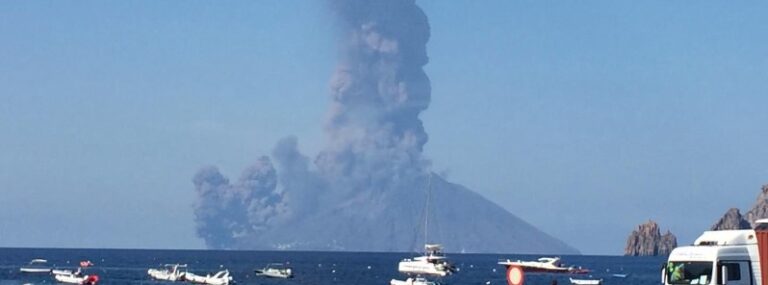
    New research published in Nature Communications suggests the internal ‘plumbing’ system of the Stromboli volcano in Italy may have changed, allowing magma from deep beneath the surface to rise more easily, triggering violent and unpredictable blasts. The research follows a series of surprisingly strong eruptions and paroxysms in 2019.

  • Study shows how Earth-Sun distance dramatically influences annual weather cycles in the equatorial Pacific in a 22 000-year cycle

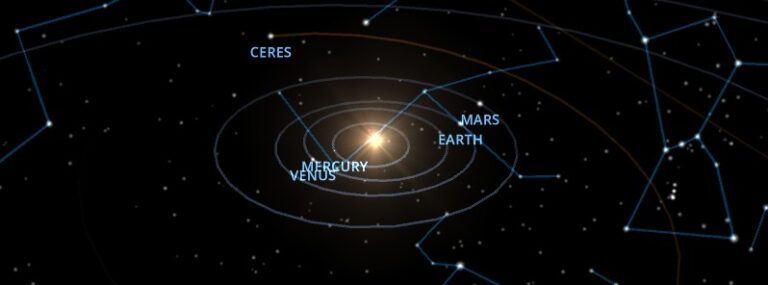
    A new research led by the University of California, Berkeley, demonstrates that one driver of annual weather cycles in the eastern equatorial Pacific Ocean—in particular, a cold tongue of surface waters stretching westward along the equator from the coast of South America—has gone unrecognized: the changing distance between Earth and the Sun.