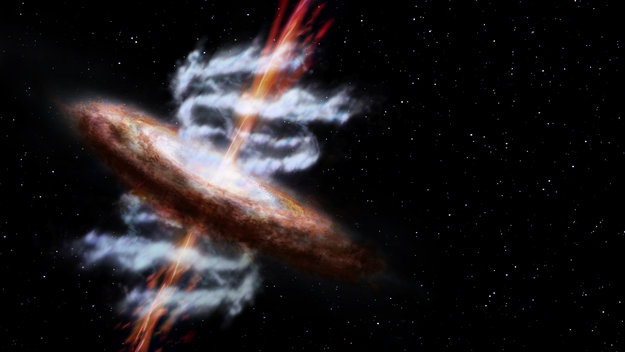
• Athena to study the hot and energetic universe

    ESA has selected the Athena advanced telescope for high-energy astrophysics as its second ‘Large-class’ science mission.The observatory will study the hot and energetic Universe and takes the ‘L2’ slot in ESA’s Cosmic Vision 2015–25 p
  • Rosetta wakes up from deep space hibernation

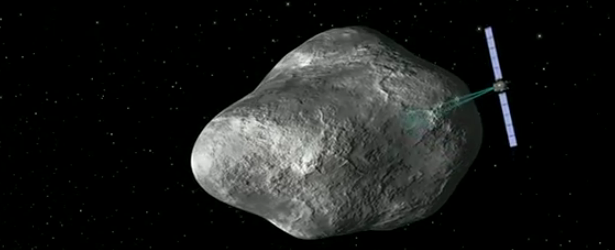
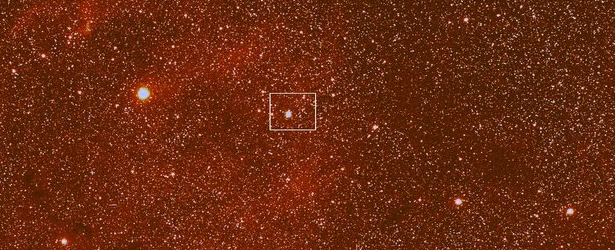
    After 31 months of deep space hibernation ESA's comet chaser "Rosetta" has woken up and contacted mission control today. The signal was received by NASA’s Goldstone ground station in California at 18:18 UTC, during the first window of oppor

  • Earth-watcher Proba-V ready to provide global vegetation data

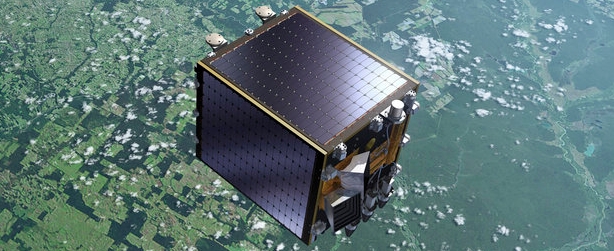
    Launched by a Vega rocket from French Guiana in the early hours of May 7, 2013, the Proba-V miniaturised satellite is designed to map land cover and vegetation growth across the entire planet every two days at a resolution of 330 m.

    Today, less than seven months

  • ESA's GOCE satellite about to fall to the Earth

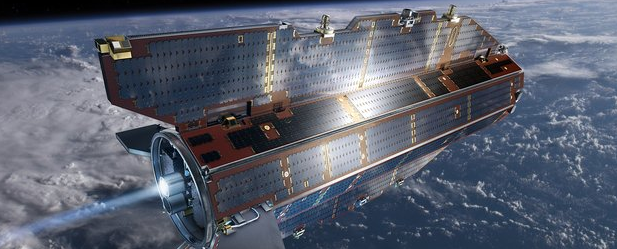
    After nearly tripling its planned lifetime, the ESA's Gravity field and steady-state Ocean Circulation Explorer – GOCE – has completed its mission. The satellite will re-enter our atmosphere this weekend and break-up into pieces. It is

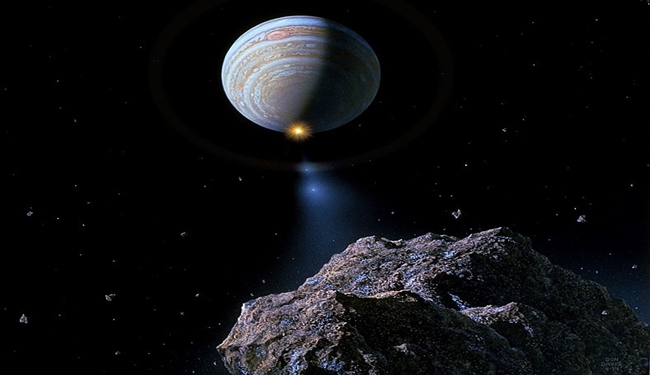
  • Water in Jupiter’s atmosphere came from 1994 comet impact

    Observations by ESA's Herschel space observatory have revealed origin of water's mysterious presence in Jupiter's atmosphere. Using sensitive spectral imaging, researchers were able to confirm that water came from historic comet impact in July

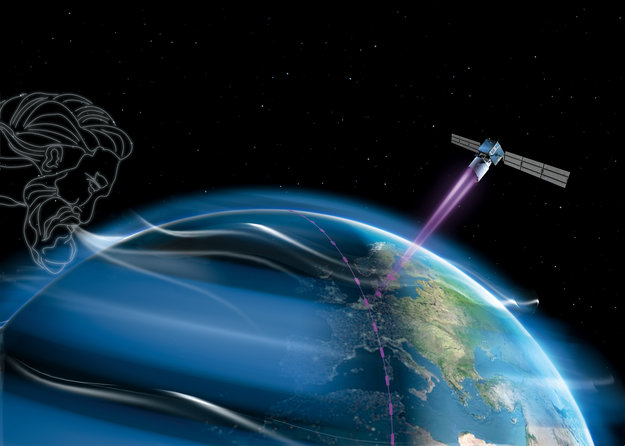
  • ESA's Aeolus mission – profiling winds around the globe with UV laser

    ESA's wind mission ADM-Aeolus is going to probe global atmosphere using novel UV laser technique. Undergone rigorous testing, the Aeolus satellite is equipped with innovative instruments to improve weather forecasts and contribute to climate research.

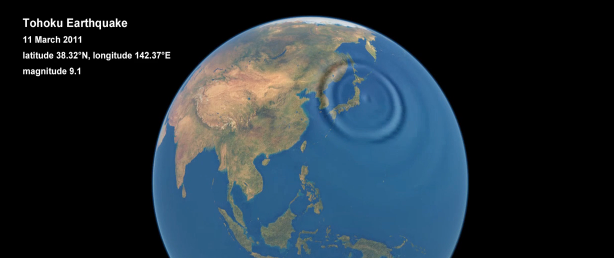
  • GOCE now known as world’s first “seismometer in space”

    New studies have shown that Japan’s “Tohoku earthquake” (March 11, 2011) was also felt and measured high above the Earth’s surface by ESA’s GOCE gravity satellite. This hyper-sensitive instrument is now known as the world’s first “seismometer in space” but it is more