• Extreme rainfall leaves 10 dead in Ipatinga, Minas Gerais, Brazil

    Extreme rainfall hit parts of Minas Gerais, Brazil late Saturday into Sunday, January 11 into 12, 2025, causing destructive landslides in which at least 10 people lost their lives. Most casualties were reported in Ipatinga where nearly 80 mm (3.1 inches) of rain fell in just one hour, causing widespread destruction.

  • Subtropical Storm Biguá hits Rio Grande do Sul, Brazil

    Powerful winds and torrential rains produced by Subtropical Storm Biguá wreaked havoc across the Brazilian state of Rio Grande do Sul since its formation on Saturday, December 14, 2024. The storm toppled trees and power lines, and damaged homes, buildings, and infrastructure, leading to at least two injuries in Butiá.

  • Rio Grande do Sul and Santa Catarina brace for intense rainfall

    Southern Brazil is bracing for heavy torrential rainfall between Tuesday and Wednesday, November 19 – 20, 2024, with regions like Rio Grande do Sul and Santa Catarina expected to experience precipitation exceeding 100 mm (3.94 inches), according to MetSul Meteorologia.

  • Brazil braces for widespread cold snap, frost, and snow expected across multiple regions

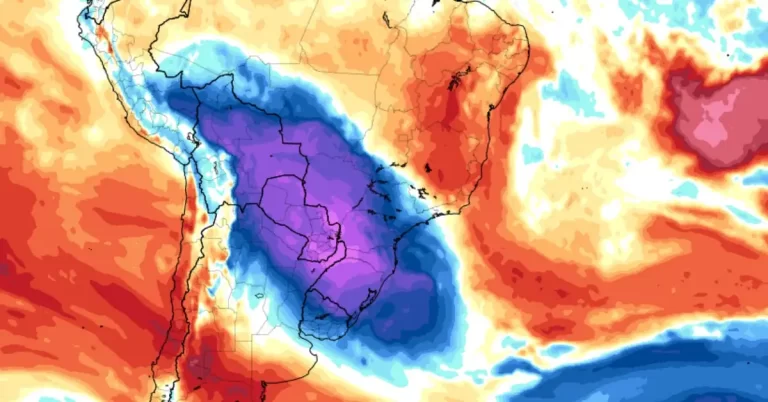
    A very cold air mass is forecasted to cause a significant drop in temperatures across multiple regions of Brazil by the end of this week. The South, Southeast, Central-West, and even parts of the North will experience this temperature decrease, with the possibility of frost in several states and potential snowfall or freezing rain in the higher-altitude areas of the South Region.

  • Historic floods hit Porto Alegre, Rio Grande do Sul, Brazil

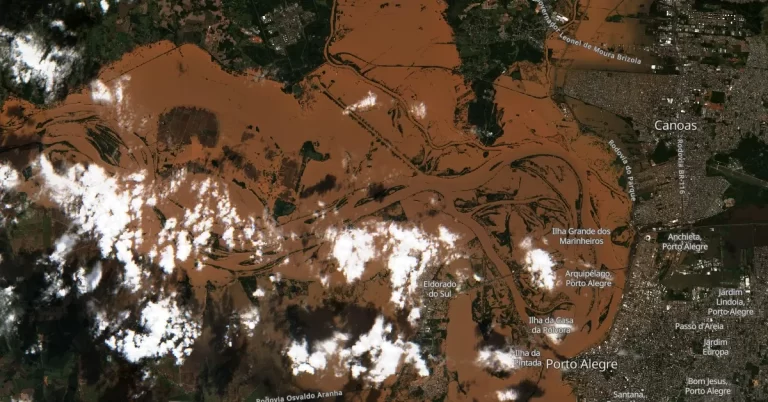
    A powerful atmospheric river began affecting Rio Grande do Sul, Brazil on April 29, 2024, resulting in massive flooding across the region. By early May 6, 2024, the storm affected 334 of the state’s 496 cities, including the capital Porto Alegre, claimed at least 75 lives, left over 100 people missing, and impacted more than 1 million residents. This severe weather event is described as the most disastrous in the state since 1941, surpassing previous records in terms of both scope and damage.