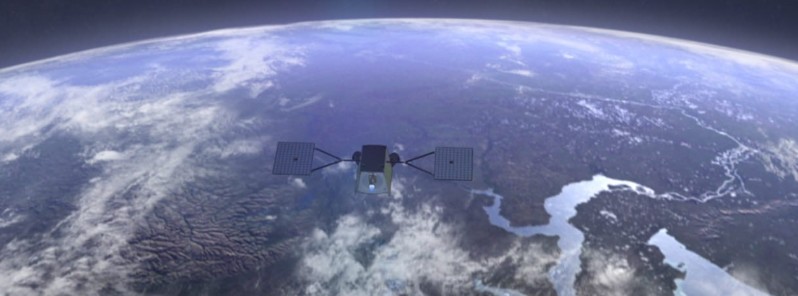
• OneWeb’s 700-satellite constellation is right on schedule

    There is nothing better than finding a free open Wi-Fi signal when you’re wandering around the world, especially if you’re using your navigation app or something else that eats up a lot of your phone’s data plan. If that sounds good, imagine this…

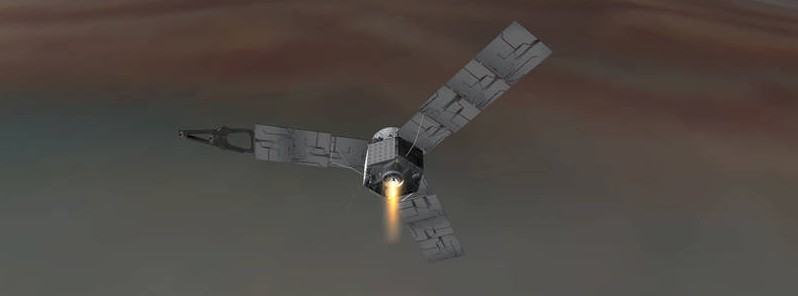
  • Juno enters orbit around Jupiter

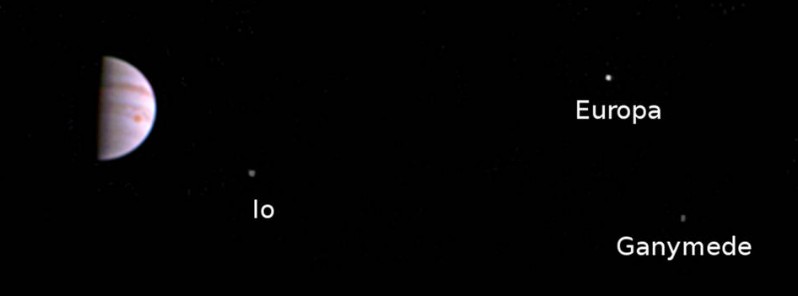
    NASA's Juno spacecraft has successfully entered Jupiter's orbit during a 35-minute engine burn on July 5, 2016 (UTC). The confirmation that the burn had completed was received on Earth at 03:53 UTC (Earth-receive time, currently 48 minutes after the actual…

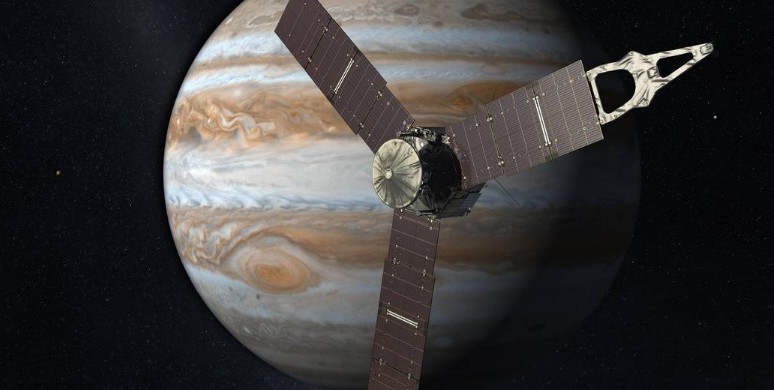
  • Juno’s arrival is getting closer

    On the fourth of July, many Americans will be looking skyward in celebration of their nation’s independence. On the same date, NASA, and astronomers worldwide will also look skyward in celebration of another great achievement – Juno’s arrival to…

  • Electric fields around Venus stripped its atmosphere of water components

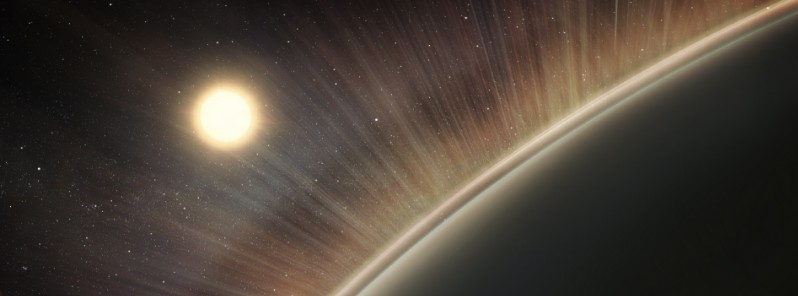
    Scientists using data obtained by ESA's Venus Express have discovered a strong electric field around the planet Venus. Venus' electric field is at least 5 – 10 times stronger than Earth's and it seems it played a crucial part in removing water components…

  • ISS makes 100 000 orbits around Earth

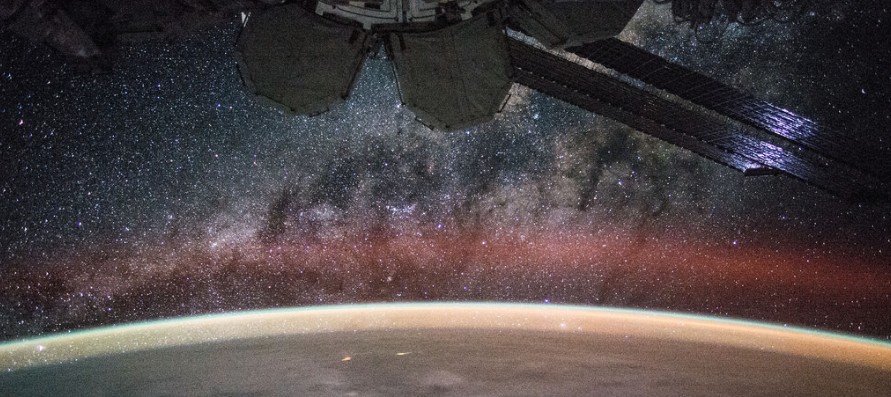
    As it passed Earth's equator at 06:10 UTC on May 16, 2016, the International Space Station (ISS) started its 100 000th orbit around Earth. It took 17 years for ISS to reach this important milestone. During the 100 000 orbits since the first component of the…

  • X-ray observatory captures expanding debris from a stellar explosion

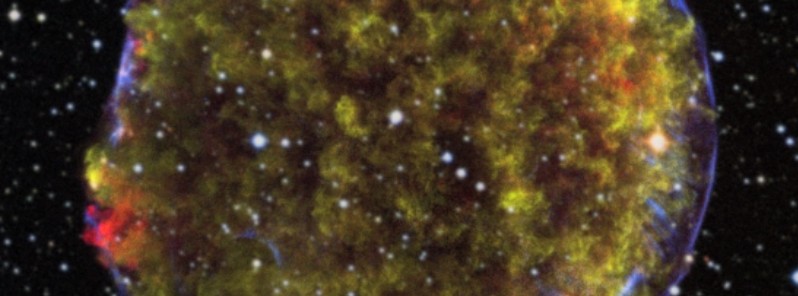
    Using data from NASA's Chandra X-ray Observatory, the NSF’s Karl G. Jansky Very Large Array (VLA) and many other telescopes astronomers are observing the debris field from supernova explosion first extensively observed and written about by Danish…

  • Mercury’s rich topography revealed for the first time

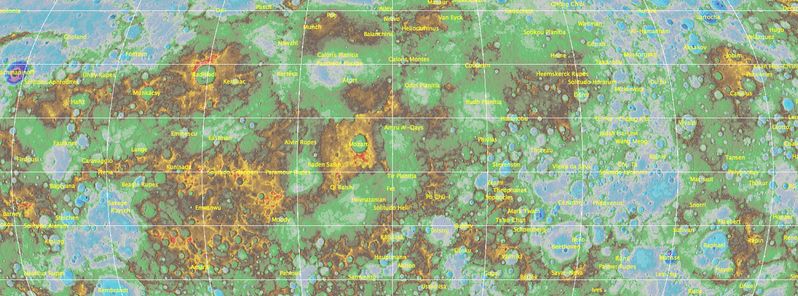
    A team of scientists from the US Geological Survey (USGS), the Arizona State University, Carnegie Institute of Washington, Johns Hopkins University Applied Physics Laboratory and NASA have produced a first comprehensive, high-resolution topographic map of…

  • Flying through explosive magnetic phenomenon to understand space weather

    Analyzing data obtained by four identical spacecraft that passed directly through a magnetic reconnection site on the boundary between the solar wind and Earth's magnetosphere, researchers have observed how this explosive physical process converts stored…

  • Earth’s magnetic field changes mapped in detail

    A group of experts utilized the data collected by the ESA's SWARM satellites to show how the magnetic field is pulsating, where it's weakening and strengthening, and how fast these changes occur. For the first time, experts have mapped both the changes…