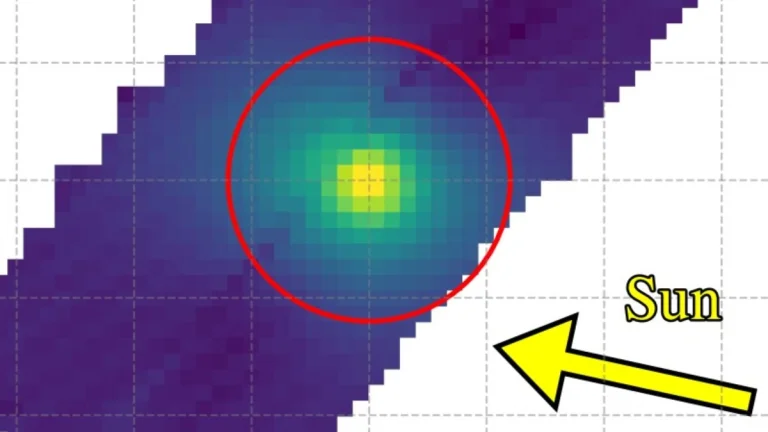
• Unusual nickel and cyanide emissions detected around interstellar object 3I/ATLAS

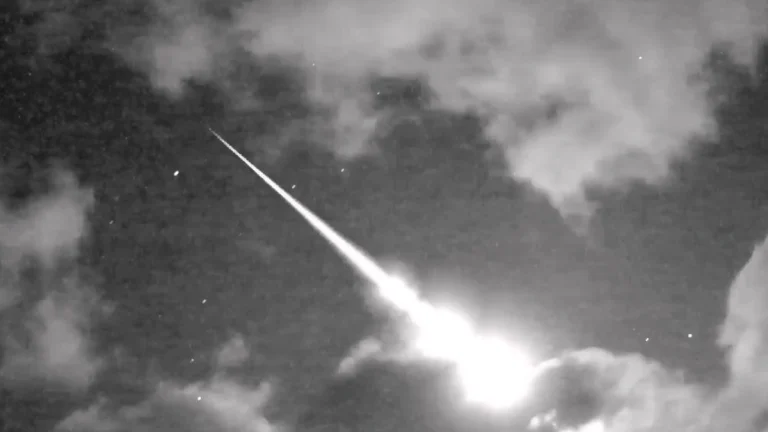
    Spectroscopic observations with the Keck II telescope in Hawaii revealed distinct nickel and cyanide emissions surrounding the interstellar object 3I/ATLAS, extending several hundred kilometers from its nucleus. The data, presented by Hoogendam et al. (2025) and summarized by astrophysicist Avi Loeb, show an anomalous concentration of nickel and an absence of iron lines—behavior unseen in known comets. These results, together with earlier Hubble images showing an anti-tail oriented toward the Sun, further reinforce the object’s unusual nature.
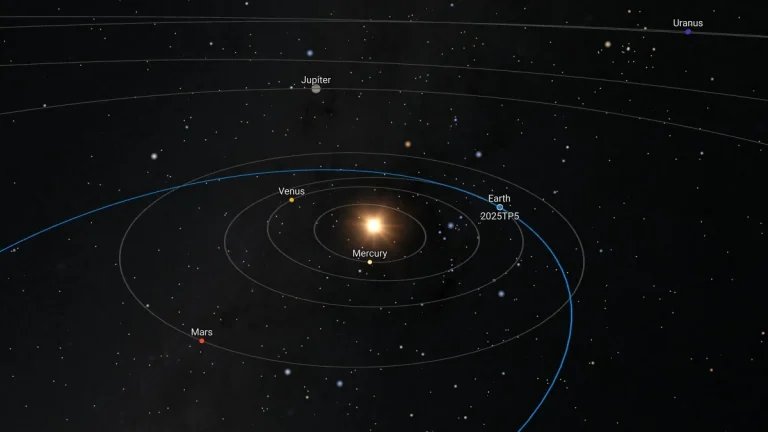
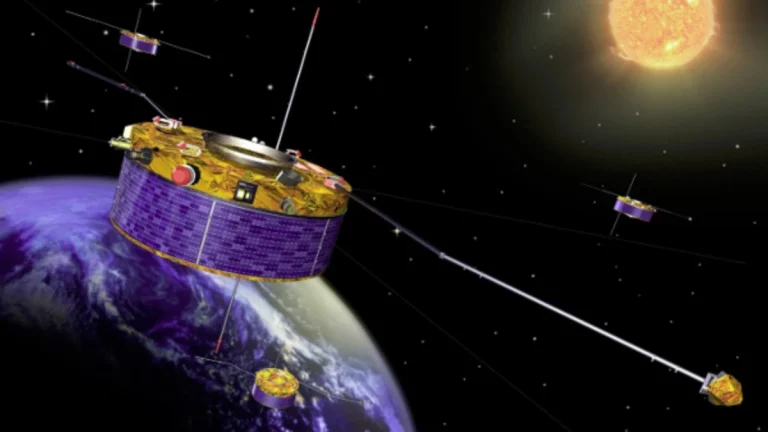
  • ESA confirms controlled reentry plan for Cluster satellite Rumba on October 22

    ESA is preparing the second targeted atmospheric reentry of its long-running Cluster mission, with the spacecraft Rumba expected to descend into Earth’s atmosphere over a remote region of the South Pacific Ocean on October 22, 2025. The maneuver will follow the first controlled reentry of Salsa in September 2024 and continues ESA’s program to end the 24-year mission through precise, safe disposal of each satellite.

  • Asteroid 2025 TF flew just 420 km (260 miles) above Antarctica, second-closest flyby on record

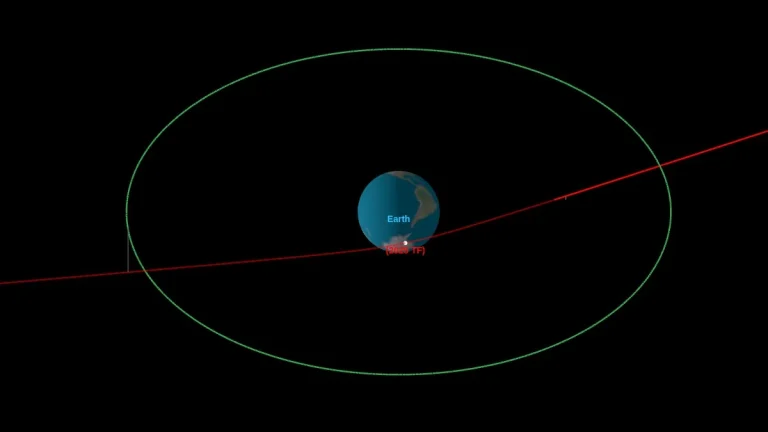
    A newly-discovered asteroid designated 2025 TF made an extremely close approach to Earth at 00:49 UTC on October 1, 2025, reaching a nominal distance of 0.02 LD (0.00005 AU / 6 790 km / 4 220 miles) from Earth’s center — equivalent to about 419 km (260 miles) above the surface over Antarctica. At this distance, it is now classified as the second-closest asteroid flyby ever recorded.

  • CME forecast to strike interstellar Comet 3I/ATLAS on September 24-25

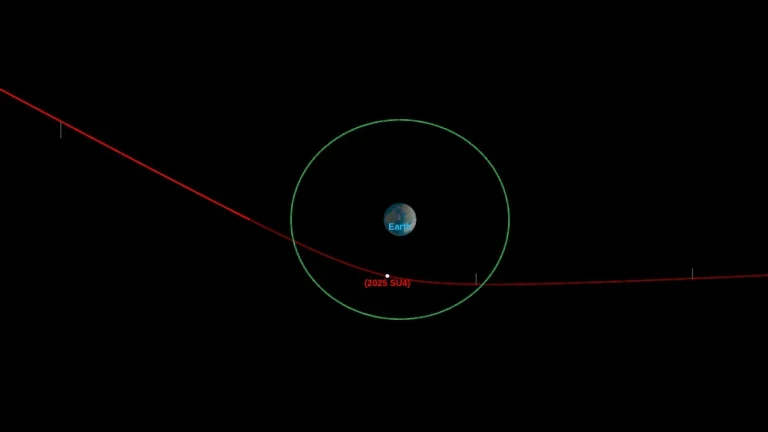
    A coronal mass ejection (CME) launched from the Sun on September 19 is forecast by NASA’s ENLIL model to strike interstellar Comet 3I/ATLAS on September 24 or 25, an extremely rare event that comes as the comet brightens 40-fold and prepares to disappear into the Sun’s glare.

  • Widely observed space junk reentry over Delhi and Gurugram, India

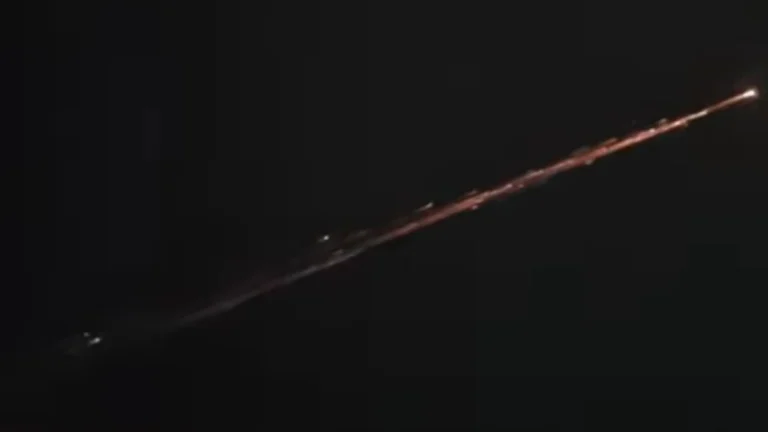
    A bright fireball crossed the skies of northern India at around 01:20–01:30 IST on September 20 (19:50–20:00 UTC on September 19). The object was widely observed across Delhi, Gurugram, Noida, Ghaziabad, Faridabad, Dwarka, and Aligarh, where it fragmented into multiple pieces before fully disintegrating in the atmosphere. Although several initial reports described the object as…