• Sky watchers – The Lyrid meteors passing by Earth!

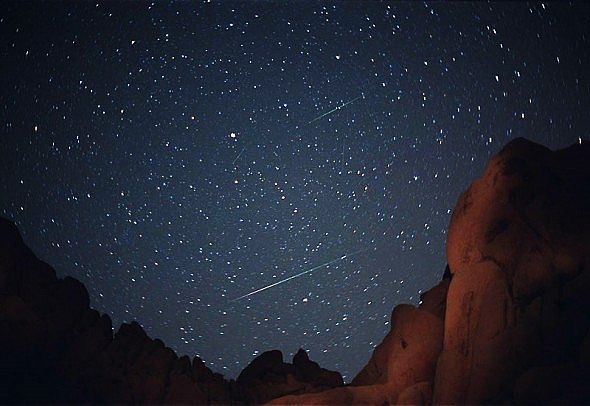
     Every year in late April Earth passes through the dusty tail of Comet Thatcher (C/1861 G1), and the encounter causes a meteor shower–the Lyrids. This year the shower peaks on Friday morning, April 22nd. The best time to look, no matter where you live, is

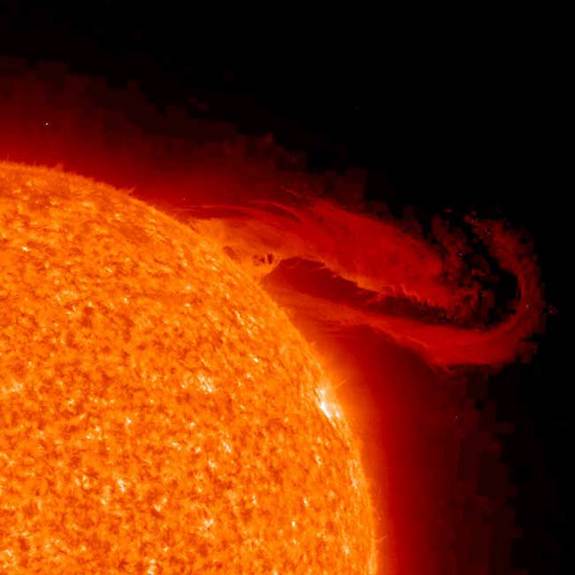
  • February solar flare was sparked by five spinning sunspots

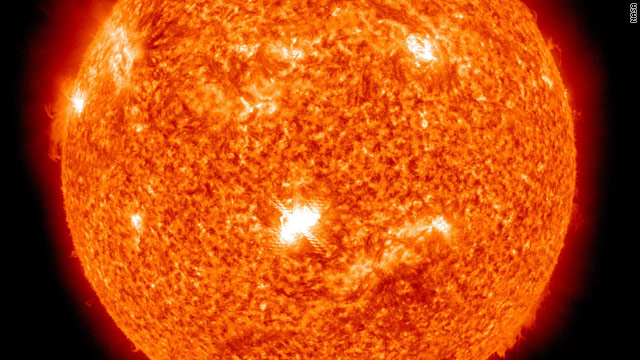
    The giant solar flare unleashed in February was caused by five rotating sunspots working in concert, the UK’s National Astronomy Meeting has heard.Images released from the Solar Dynamics Observatory (SDO) clearly show the sunspots, which are centres of magnetic

  • 2011 Skywatching Guide: Planets in the Solar System

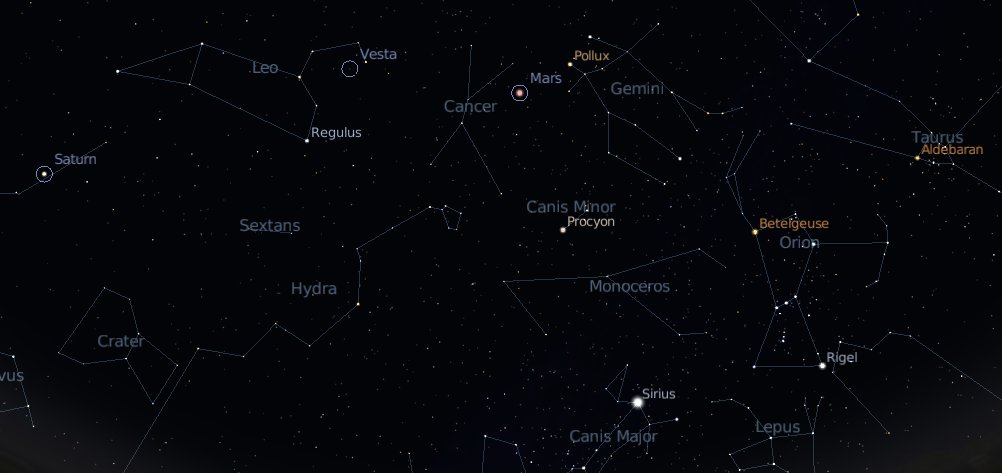
    The planets of our solar system are at tomes some of the most rewarding and simplest skywatching targets to spot, if you know when and where to look. Here's a look at how to observe the planets of the solar system in 2011: Tip: Astronomers measure distances in…

  • Milky Way through a Saharan sandstorm

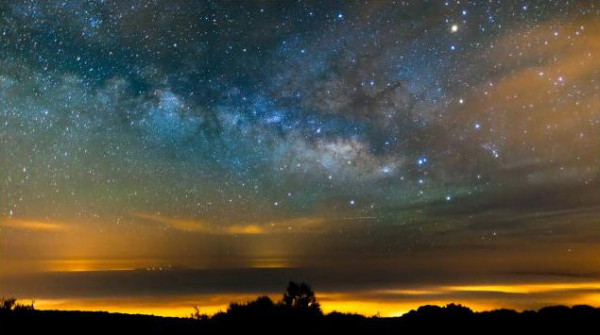
    The Mountain from Terje Sorgjerd on Vimeo.This was filmed between 4th and 11th April 2011 by Terje Sorgjerd. He has the pleasure of visiting El Teide.Spain´s highest mountain (@3715m@Canary Island) is one of the best places in the world to photograph the stars and

  • Rare sight: Mercury to meet Mars at dawn on Tuesday

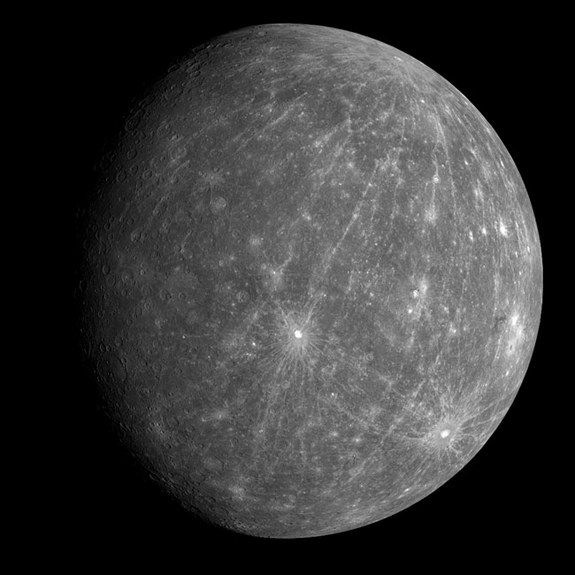
    Skywatchers set your alarm clocks: On Tuesday morning (April 19), Mercury will appear to have a close encounter with Mars. In reality, the two planets will actually be separated by about 161 million miles (259 million kilometers), but in Earth’s sky they will…

  • Heating up of solar storms season

    Sun woke up after three years of sleep. Several powerful solar flares occurred in recent months, with a February 14 blast as the strongest and  the most powerful outburst in more than four years. Considering surface of Sun dotted with sunspots and recent activity,

  • Lyrids meteor shower

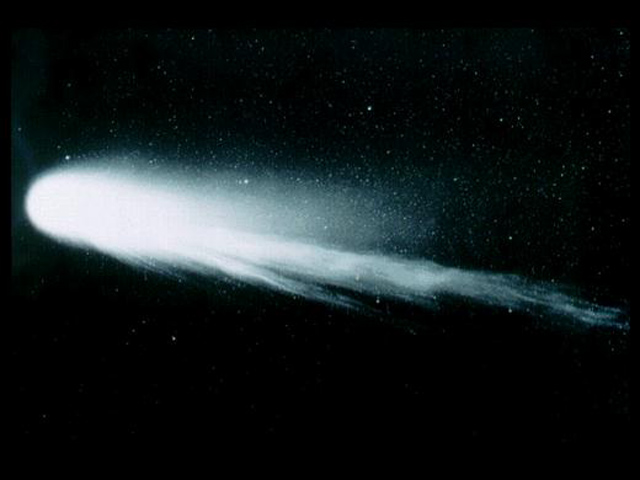
    After 3,5 months of weak meteor activity, the Earth enters the drawn-out dusty tail of Comet Thatcher (C/1861 G1). Most years in April there are no more than 5 to 20 meteors per hour during the shower’s peak. But sometimes, when Earth glides through an unusually dense

  • Watch the Moon LIVE!

    LIVE FROM THE MOON As the Moon waxes full this weekend, AstronomyLive.com is broadcasting live views of lunar terrain from telescopes in Europe and North America. Tune in for a lunar tour, or become a broadcaster yourself!AstronomyLive!Dutch Observatory E-Cosmos

  • WISE preliminary data release – 57% of the sky

    Finally, WISE team has released a data from its sky-mapping mission representing 57 percent of the sky as seen by WISE. This preliminary release will allow astronomers and astronomy enthusiasts worldwide to explore the sky as seen by WISE. It will also allow the WISE te

  • Asteroid 2011 GP59 – Close Earth-Moon Flyby

    Newly-discovered asteroid 2011 GP59 is flying past Earth today, April 15th, not far beyond the orbit of the Moon (1.4 LD). There’s no danger of a collision, but the 50-meter space rock is remarkable: It is elongated and spinning once every 7.5 minutes. This causes