• Planetary triangle seen on sky this morning

    Another day, another alignment of planets. “This morning, May 14th, the ‘planetary triangle’ created by Venus, Jupiter and Mercury adorned the eastern sky behind my nearby mosque,” reports Shahrin Ahmad, who snapped this picture from his rooftop observatory of Sri

  • Sundiving comet and coronal mass ejection

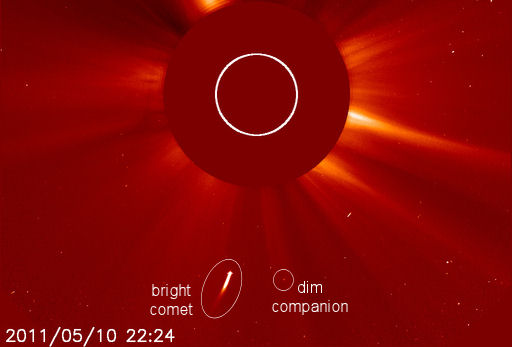
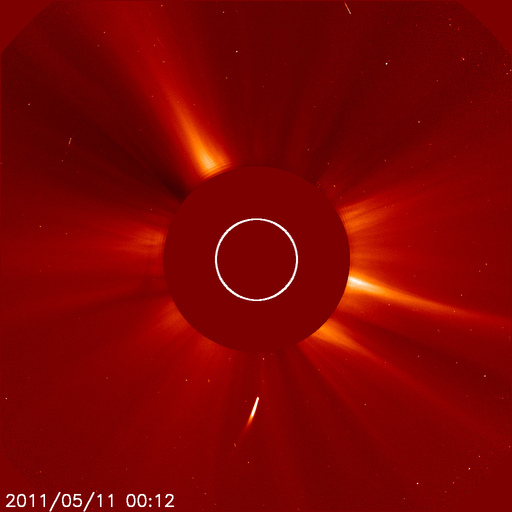
    A comet dove into the sun on May 11th and seemed to trigger a massive eruption. Watch the movie, then scroll down for further discussion.

    A comet goes in; a CME comes out. Coincidence? Probably, yes, the sequence was coincidental. The comet disintegrated

  • Comet hit the Sun?

    A comet just discovered by amateur astronomer Sergey Shurpakov is diving past the sun today, and it will probably not survive. Click here to view a movie of the death plunge recorded by the Solar and Heliospheric Observatory–and check back for updates in the hours

  • Spectacular CME, active region approaching Earth

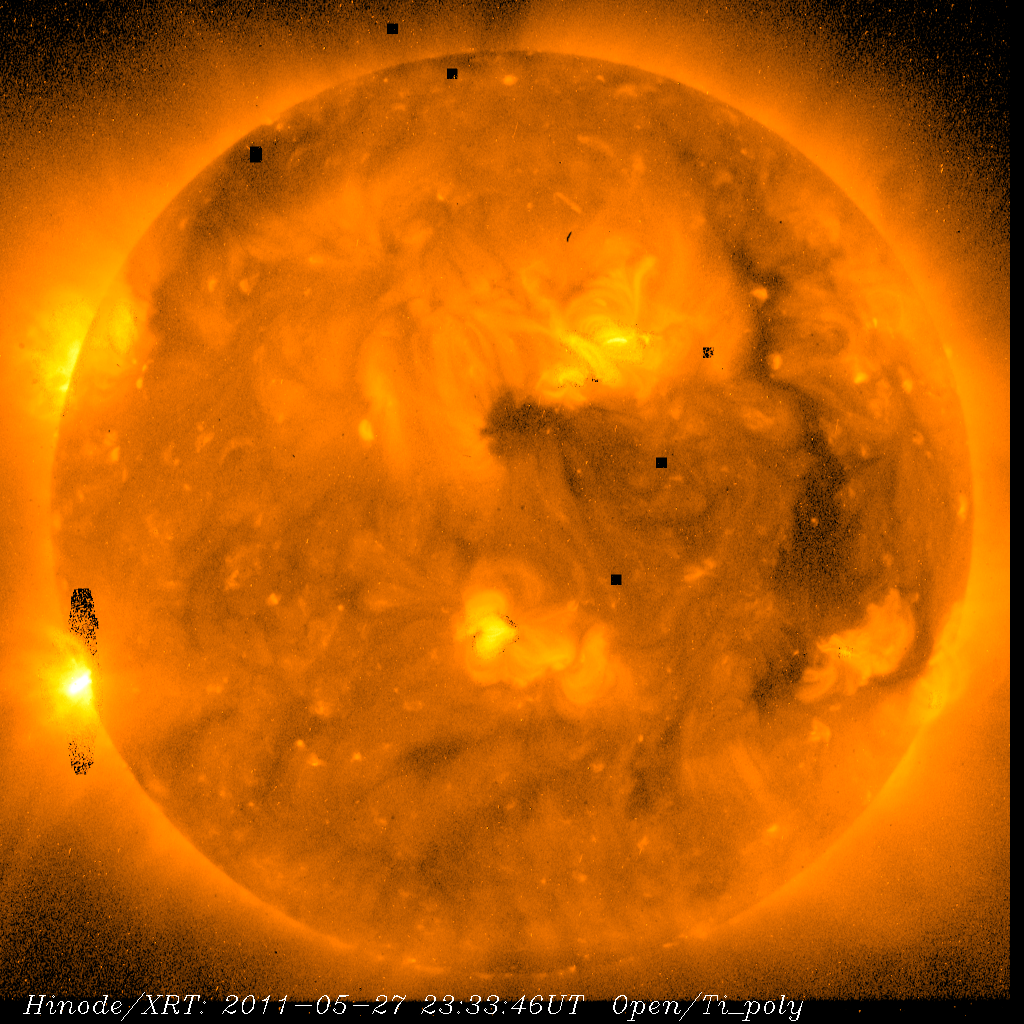
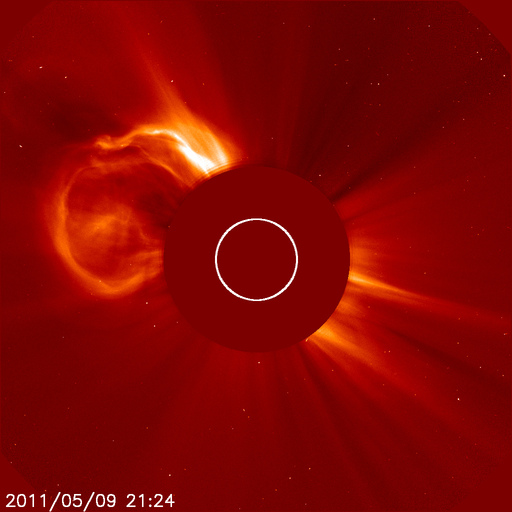
    A sunspot located just behind the sun’s eastern limb erupted during the waning hours of May 9th, hurling a spectacular coronal mass ejection into space: movie. NASA’s Solar Dynamics Observatory photographed hot magnetic loops towering over the edge of the sun in the

  • Watch tonight for Eta Aquarid meteor shower!!!

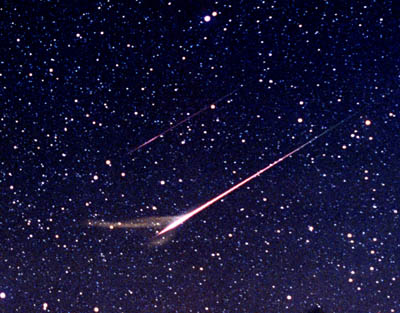
    Bits and pieces of the famous Halley’s Comet will light up the overnight sky in a promising meteor shower, weather permitting, skywatching experts say.The annual Eta Aquarid meteor shower will peak early tomorrow morning (May 6) and is expected to put on a

  • SkyWatchers: Great Morning Planet Show!

    The Great Morning Planet Show of May 2011 is underway. Every morning for the rest of this month, you can see a beautiful gathering of four planets in the eastern sky. They are Mars, Jupiter, Venus and Mercury, shown here on May 1st over Magnetic Island in east

  • Asteroid impacts in Antarctica

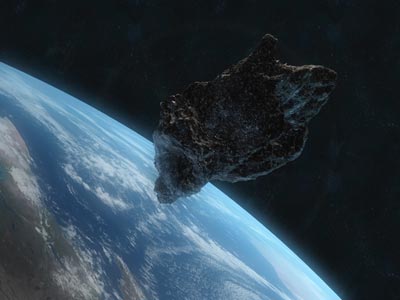
    In a controversial study, gravity maps of the Antarctic continent have revealed what could be multiple asteroid impact sites. Gravity anomalies in Antarctica might mark spots where hundreds of thousands of years ago the frozen continent was struck by giant…

  • Envisat view of Earth pt.1 (Video)

    Recently lost ENVISAT still shows no signs of “life”. While satellite observing community wait for some news lets take a look at breathtaking imagery of land and oceans by Envisat’s optical and radar instruments. The satellite is orbiting 497 miles above the