• Sun produced a series of strong shortwave radio bursts

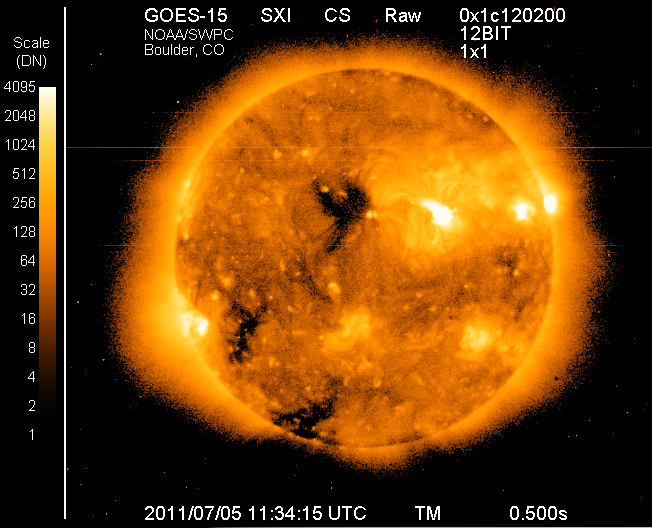
    On July 7th, the sun produced a series of strong shortwave radio bursts. Click on the dynamic spectrum below to play a 21 MHz sample recorded by amateur radio astronomer Thomas Ashcraft in rural New Mexico. The action begins about 18 seconds into the 2-minute…

  • Sundiving comet

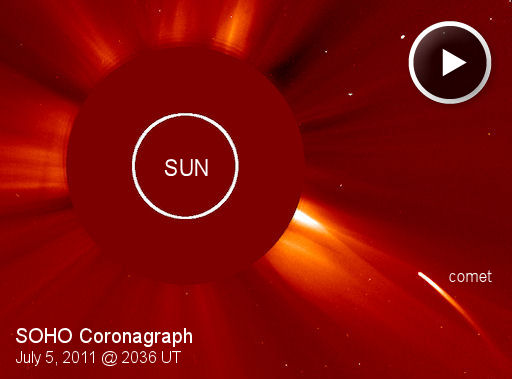
    During the late hours of July 5th, an unnamed icy comet from the outer solar system dove into the sun and disintegrated. Click on the arrow to witness the death plunge recorded by coronagraphs onboard the Solar and Heliospheric Observatory (SOHO):Over the years,

  • Space debris forces ISS astronauts to evacuate the station

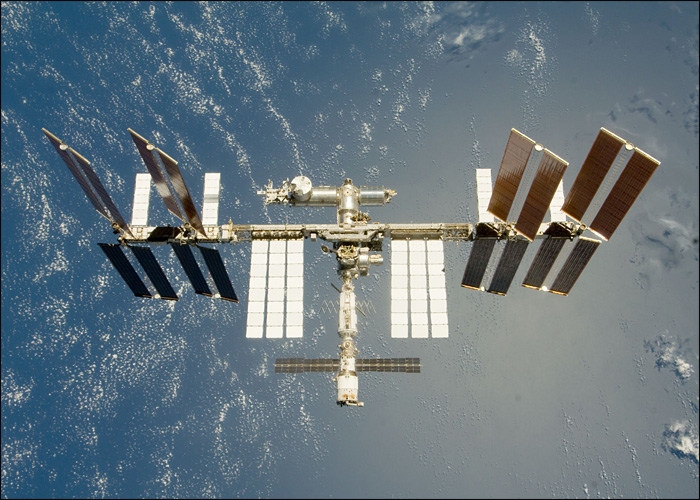
    The six-member crew of the International Space Station took shelter in two Russian Soyuz spacecraft early Tuesday because of a predicted close approach by an unknown piece of space debris.Safety procedures are put into effect when radar tracking indicates debris

  • Small asteroid to whip past Earth on June 27

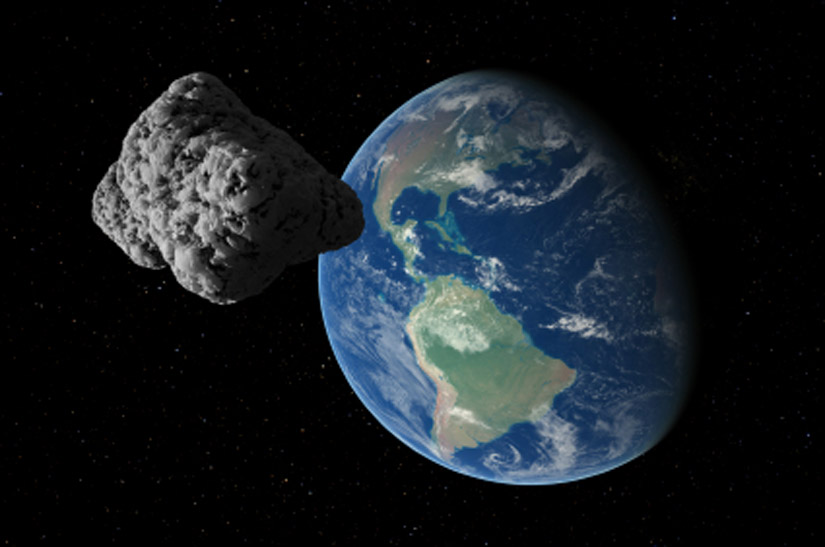
    Newly-discovered asteroid 2011 MD will pass only 12,000 kilometers (7,500 miles) above Earth’s surface on Monday June 27 at about 9:30 a.m. EDT. NASA analysts say there is no chance the space rock will strike Earth. Nevertheless, the encounter is so close that Earth’s

  • Geomagnetic storm warning!

    A fast-moving stream of solar wind is buffeting Earth’s magnetic field. The combined effect of this stream plus a CME expected to arrive soon has prompted NOAA forecasters to declare a 30% to 35% chance of geomagnetic storms on June 23-24. High-latitude sky watchers

  • Impact of solstice solar flare is expected on June 24th

    A CME propelled toward Earth by the “solstice solar flare” of June 21st may be moving slower than originally thought. Analysts at the GSFC Space Weather Lab have downgraded the cloud’s probable speed from 800 km/s to 650 km/s. Impact is now expected on June 24th at

  • Incoming solar flare, expecting geomagnetic storm

    Magnetic fields above sunspot complex 1236 erupted during the early hours of June 21st, producing a C7-class solar flare and a full-halo CME. The expanding cloud appears to be heading almost directly toward