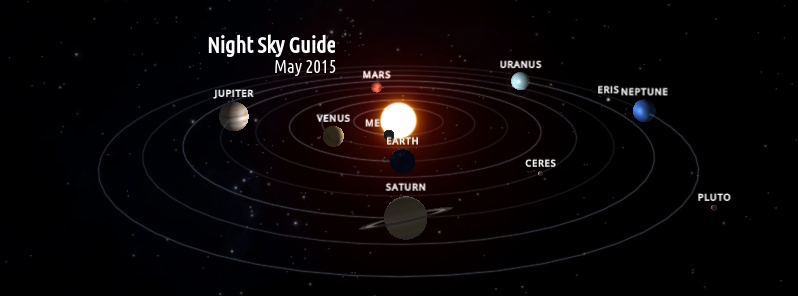
• Night sky guide for June 2015

    There are no major showers active in June. Weak Ophiuchids will peak on June 20 with the maximum rate of meteors expected to be visible from a dark location around 5 per hour (ZHR). The Moon will be 4 days old at the time, and as such will present minimal interference.F
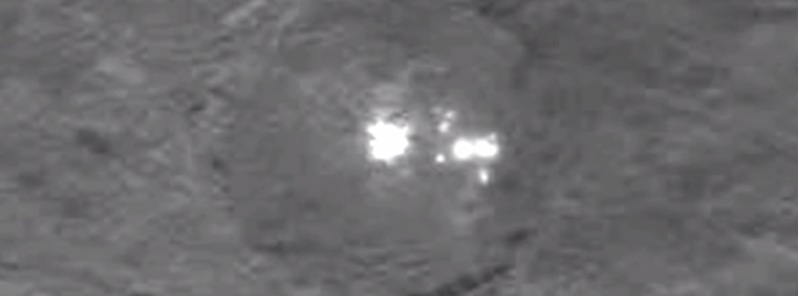
  • Ceres: an electrically scarred world

    In April of 2015, the NASA Dawn Spacecraft began transmitting new, close-up images of the mysterious dwarf planet Ceres. The images to date have only deepened the mystery surrounding the puzzling bright spots on the planet’s surface.However, in addition to this on

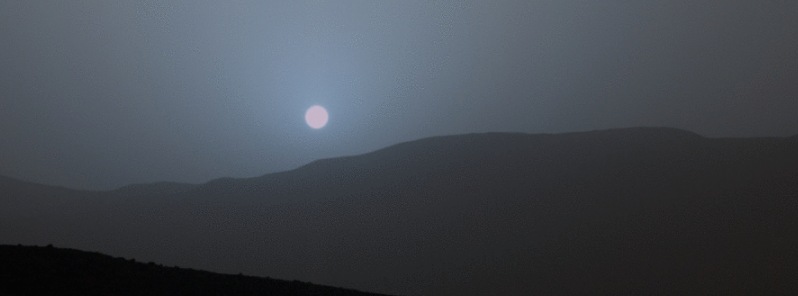
  • Martian sunset observed in color by Curiosity rover

    Curiosity Mars rover recorded this sequence of views of the Sun setting at the close of the mission's 956th Martian day, or sol (April 15, 2015), from the rover's location in Gale Crater. It was the first sunset observed in color by Curiosity. The four images sh

  • Ecopoiesis – planting an ecosystem on Mars

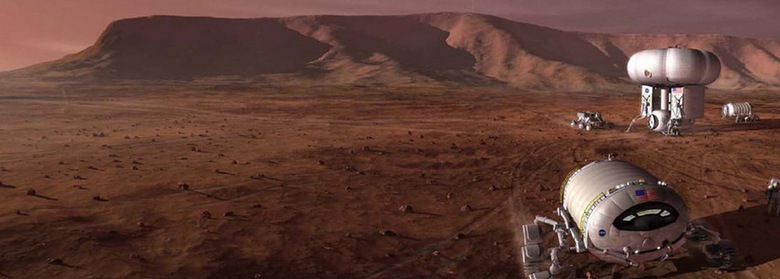
    Taming the brutal environment of Mars for future human explorers to survive and thrive there may demand a touch of “ecopoiesis” – the creation of an ecosystem able to support life.The NASA Innovative Advanced Concepts (NIAC) Program is funding cutting-

  • 15 advanced space technology concepts selected for further study

    NASA has selected 15 proposals for study under Phase I of the NASA Innovative Advanced Concepts (NIAC), a program that aims to turn science fiction into science fact through the development of pioneering technologies.The chosen proposals cover a wide range of inventive

  • Eta Aquarid meteor shower peaks – May 5/6, 2015

    This year's Eta Aquarids, known for their speed, peak during the early morning hours of May 5 – 6. Traveling at about 66 km/s (148 000 mph) into Earth's atmosphere these meteors are leaving glowing trains (incandescent bits of debris in the wake of the meteor) w

  • Night sky guide for May 2015

    If not for the nearly full moon spoiling the party, southern hemisphere observers would be in for a special treat when above average meteor shower – Eta Aquarids – peaks on the night of May 5 and the morning of May 6. This meteor shower is capable of producing up to 60

  • MESSENGER mission ends with planned impact on Mercury’s surface

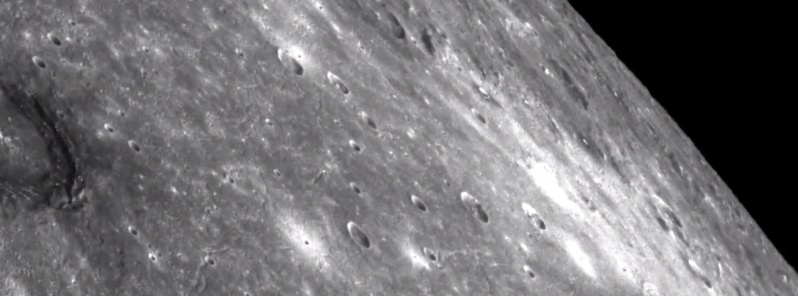
    NASA's Mercury exploration mission "MESSENGER" ended on Thursday, April 30, 2015 with a planned impact into Mercury's surface at 19:26 UTC. MErcury Surface, Space ENvironment, GEochemistry, and Ranging (MESSENGER) spacecraft impacted "Shakespeare&

  • 3D Earth observations from space

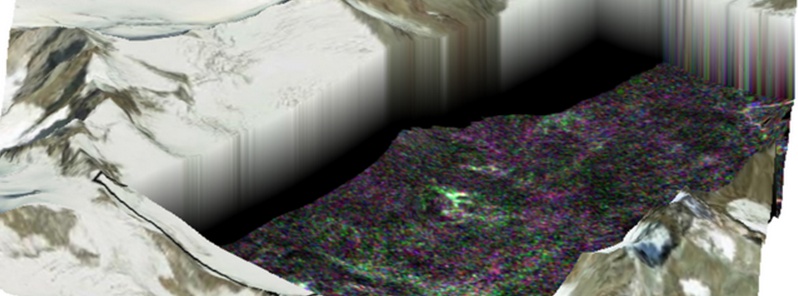
    Results from a recent field campaign, which was organised to help investigate the potential of a new Earth observation mission concept, have provided a unique 3D glimpse of the peaks and troughs under the Mittelbergferner glacier in the Austrian Alps, ESA reports today.

  • Large fireball observed over UK on April 26, 2015

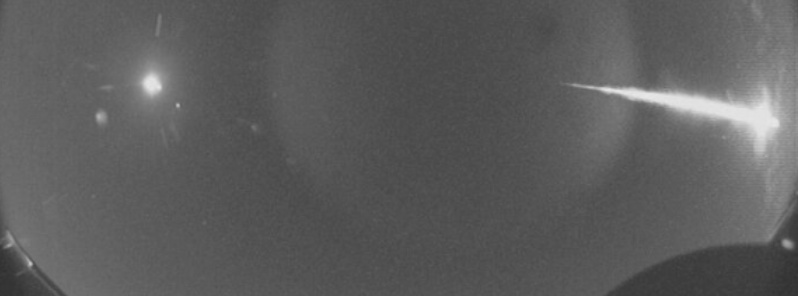
    A large fireball has been observed over the United Kingdom around 21:10 UTC on April 26, 2015. "The first image came from Graham Roche, and it looks like a very large fireball, could be around -10 magnitude or even brighter," the United Kingdom Meteor Observat