• Night sky guide for July 2015

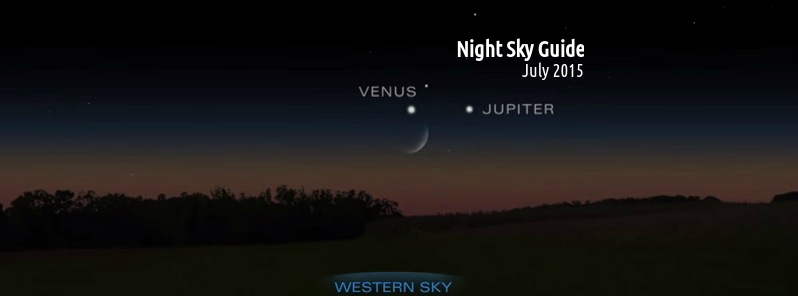
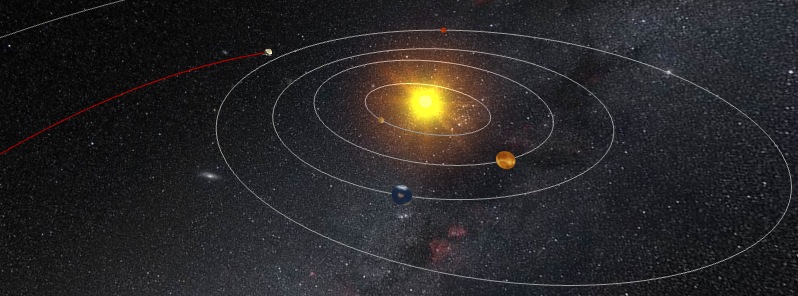
    A spectacular conjunction of Venus and Jupiter will be visible on July 1 with the two planets appearing extremely close, only 0.3 degrees apart.Several weak meteor showers this month will set stage for Perseids, one of the most popular annual meteor showers expected to

  • Venus – volcanically active Solar System body?

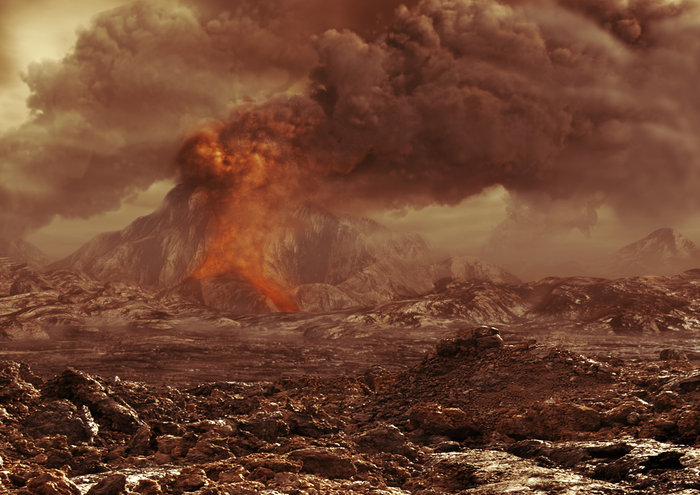
    Scientists working for the ESA's Venus Express mission have recently presented the best evidence yet for existence of active volcanoes on planet Venus. Previous radar missions have revealed Venus to be covered in volcanoes and lava flows and it is long assumed that

  • Fiery space debris re-entry recorded over Southeastern US

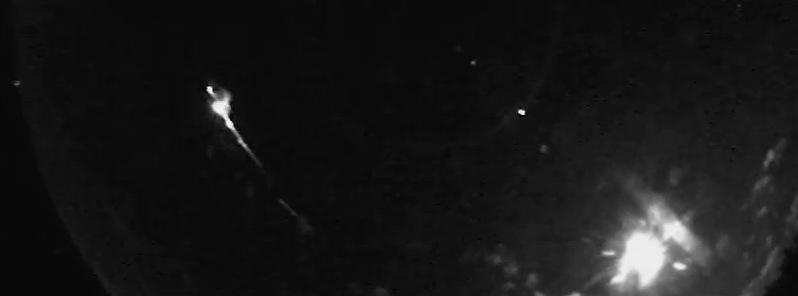
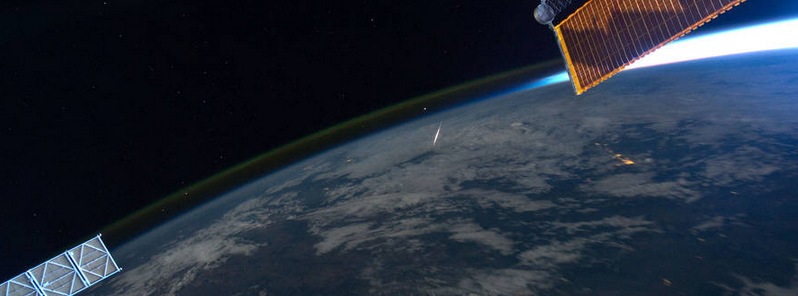
    A bright fiery object was observed traveling almost horizontally over Southeastern United States around 05:30 UTC on June 29, 2015 (01:30 EDT). The object was visible for more than 45 seconds and was described by many as having multiple colors and breaking up in pieces.

  • Watching meteors from space: Meteor investigation camera destroyed, again

    Eight months after a catastrophic failure of Orbital Cygnus mission to the International Space Station, in which supplies for the Meteor mission were lost, a new special camera was built and is now ready for lift off.Currently scheduled to launch on June 28, 2015, the

  • Earth’s magnetic complexity begins to untangle – Swarm mission

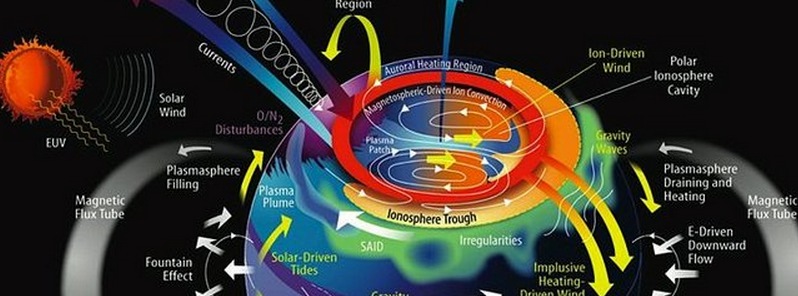
    After a year in orbit, the three Swarm satellites have provided a first glimpse inside Earth and started to shed new light on the dynamics of the upper atmosphere – all the way from the ionosphere about 100 km above, through to the outer reaches of our protective

  • Rosetta mission conference – update, latest results and what lies ahead

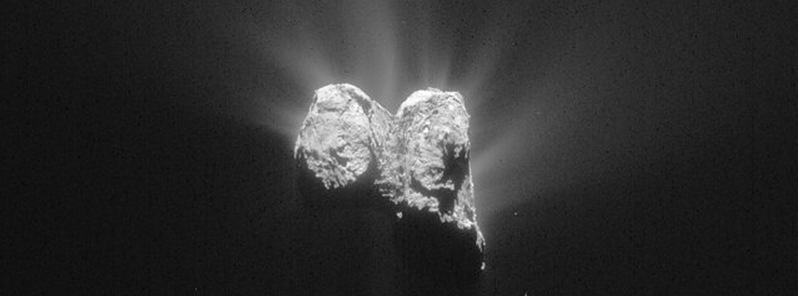
    The following video is a replay of media briefing held at the Paris Air Show on June 17, 2015 with members of the Rosetta team. The briefing includes an update on the mission, some of the latest results, and an outline what still lies ahead. ESA’s Rosetta comet-ch

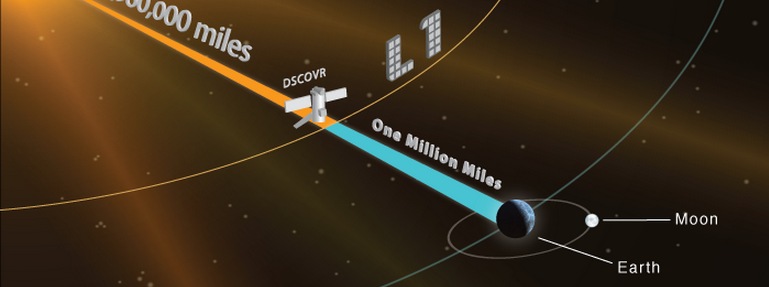
  • DSCOVR reached its orbit around 1st Lagrange point

    NOAA's Deep Space Climate Observatory (DSCOVR), launched on February 11, 2015, has reached its final destination on June 7 and entered orbit around the 1st Lagrange point (L1), the neutral gravity point between the Earth and Sun, approximately 1.5 million km (~1 mil

  • Night sky guide for June 2015

    There are no major showers active in June. Weak Ophiuchids will peak on June 20 with the maximum rate of meteors expected to be visible from a dark location around 5 per hour (ZHR). The Moon will be 4 days old at the time, and as such will present minimal interference.F

  • Ceres: an electrically scarred world

    In April of 2015, the NASA Dawn Spacecraft began transmitting new, close-up images of the mysterious dwarf planet Ceres. The images to date have only deepened the mystery surrounding the puzzling bright spots on the planet’s surface.However, in addition to this on