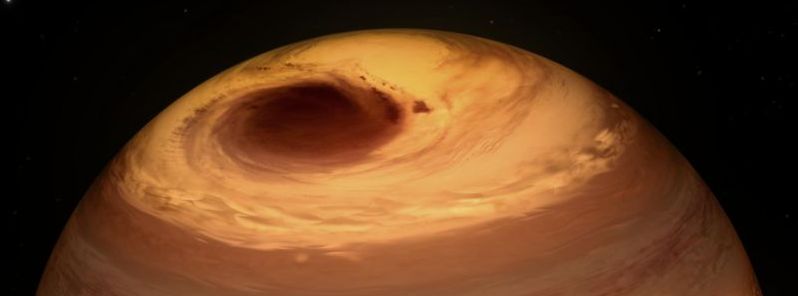
• A funky star shows long-lasting cloud storms possible

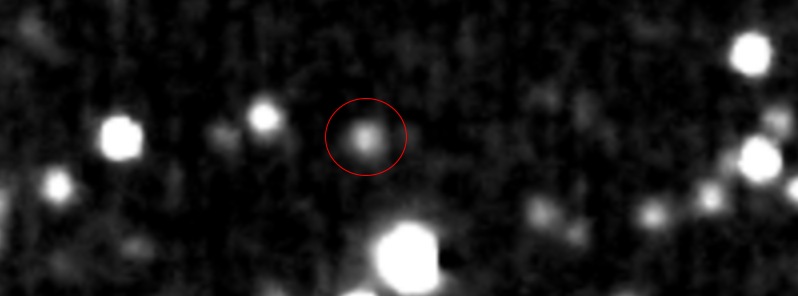
    A raging storm, similar to the Jupiter's Great Red Spot, discovered by NASA's Kepler and Spitzer space telescopes has been pictured in a vivid artist's animation video. The star named W1906+40, located approximately 53 light years away in the Lyra…

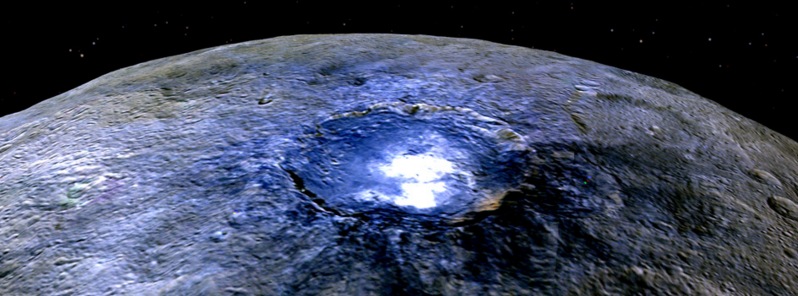
  • Two new studies offer new clues to Ceres’ bright spots and origins

    Two new studies reveal some of Ceres' well-kept secrets, including highly anticipated insights about mysterious bright features found all over the dwarf planet's surface. In one study, scientists identify this bright material as a kind of salt, while the…

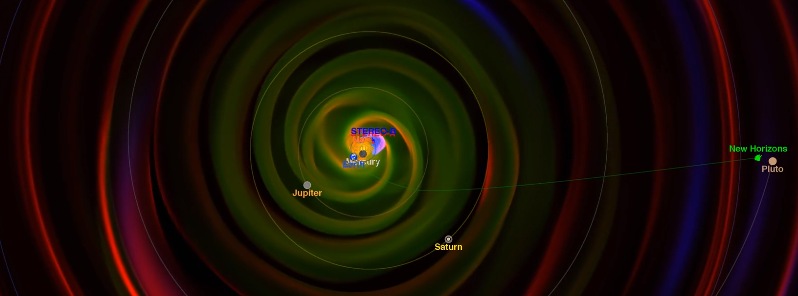
  • New visualization of space weather at Pluto

    This video, made by NASA's Goddard Space Flight Center Scientific Visualization Studio, shows a new simulation of the space environment all the way out to Pluto in the months surrounding New Horizons’ July 2015 flyby. At the time, Goddard's…

  • New close-up pictures of Pluto – the best for decades to come

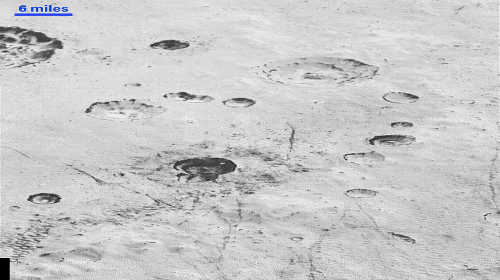
    NASA's New Horizons spacecraft has sent back the first in a series of the sharpest views of Pluto obtained during its July flyby. These close-up pictures of Pluto may be the best ones for decades to come. Each week New Horizons transmits data stored on its…

  • SOHO celebrates its 20th anniversary of gazing into the Sun

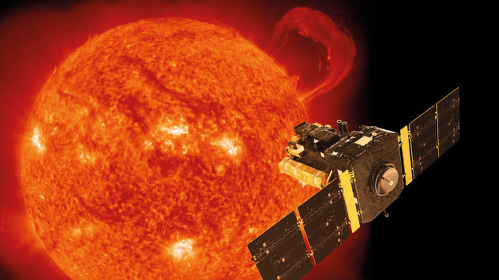
    Today marks the 20th anniversary of NASA/ESA Solar and Heliospheric Observatory (SOHO). Originally planned for two-year mission, the project has now almost gone strong for two full solar-cycles, making the project longest Sun watching satellite to this day. When…

  • Night sky guide for December 2015

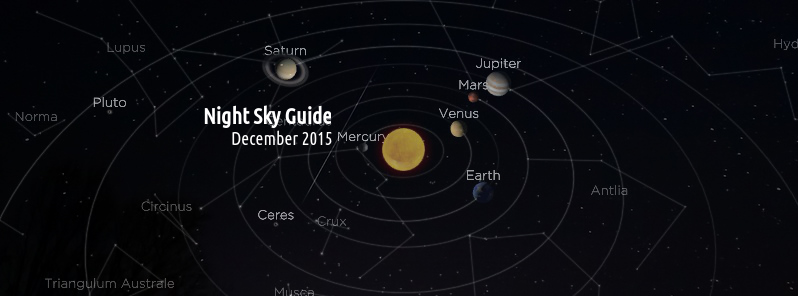
    December 2015 will feature three meteor showers: the Geminids, the Puppid-Velids and the Ursids. The Geminid meteor shower is popularly known as the "king of meteor showers". This year, it is expected to produce up to 120 meteors per hour at its peak,…

  • Scientists get unique chance to study black hole eating a star

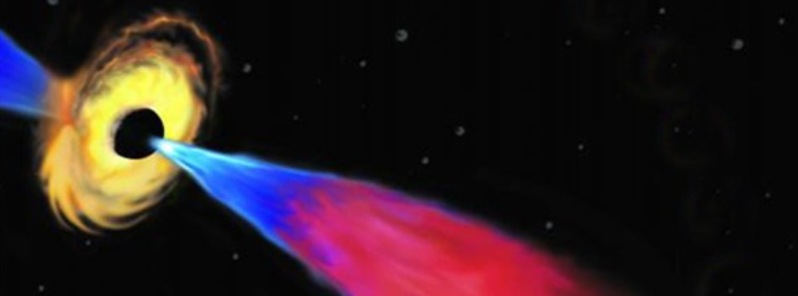
    A team of astrophysics led by a Johns Hopkins University (JHU) scientist has for the first time witnessed a black hole swallowing a star and ejecting a flare of matter moving nearly the speed of light (about 300,000 km/s). The finding tracks the star, which is…

  • FireSat – the ultimate orbital global wildfire coverage

    The detection of wildfires is the first step in combating them, so it is crucial to people's lives and property to be able to respond to them as quickly as possible. For this reason, NASA's Jet Propulsion Laboratory in California is putting a lot of effort…