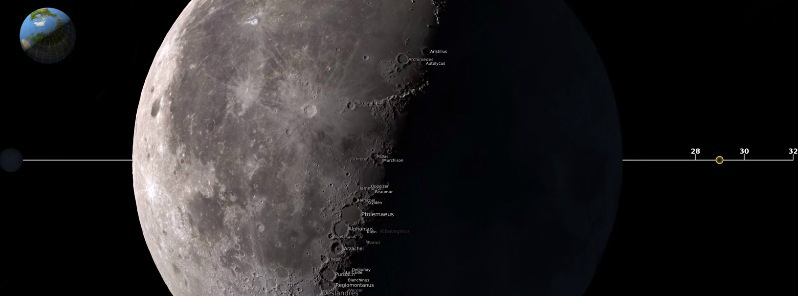
• Rare full moon to decorate the skies on Christmas Day

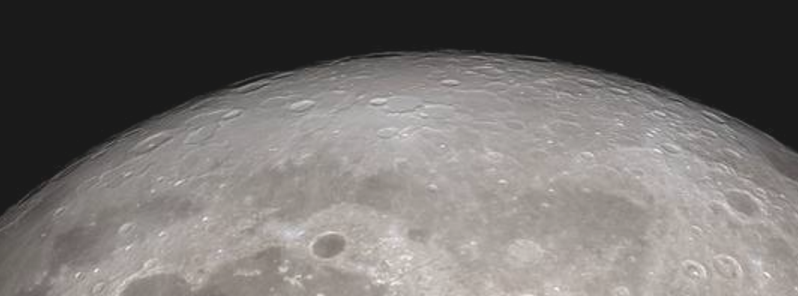
    A rare celestial event will take place on December 25, 2015. A bright full moon, although not unusual phenomena per se, rarely coincides with Christmas date and will for sure make a nice contribution to the holiday atmosphere. The full moon of December, the…

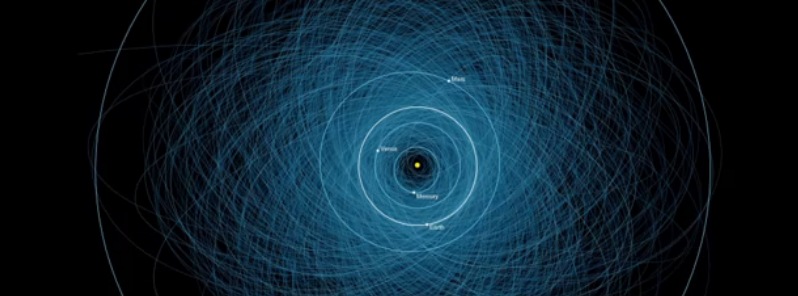
  • Asteroid 2003 SD220 to flyby Earth on Christmas Eve

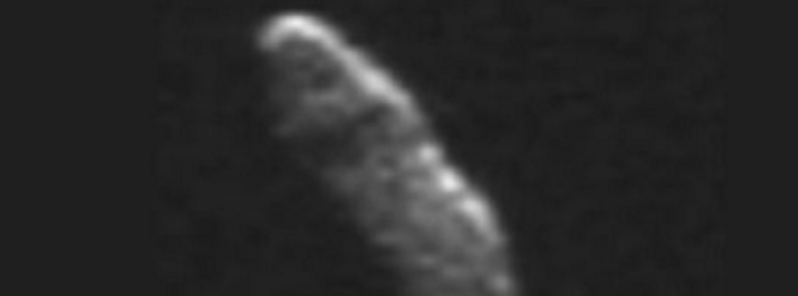
    The year 2015 seems to have another festive surprise in store for astronomy lovers across the globe. After the Halloween asteroid's close flyby in October, another object will pass by our planet on Christmas Eve. Asteroid 2003 SD220 will fly by Earth at a safe…

  • Ceres imaged from the lowest orbital altitude ever

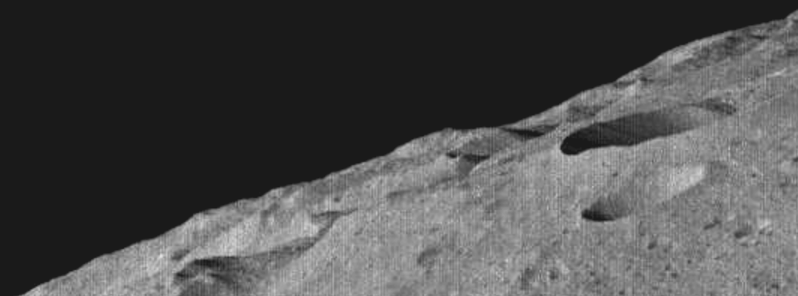
    NASA's Dawn spacecraft collected new detailed images of the cratered and fractured southern hemisphere surface of the dwarf planet Ceres on December 10, 2015. The spacecraft took the images while cruising in the lowest and final orbit of the small planet. Dawn…

  • Giant comets pose a much greater hazard to life than asteroids

    The discovery of hundreds of giant comets in the outer planetary system over the last two decades means that these objects pose a much greater hazard to life than asteroids, a team of astronomers from Armagh Observatory and the University of Buckingham report. The…

  • Cassini makes final close flyby images of Saturn’s moon Enceladus

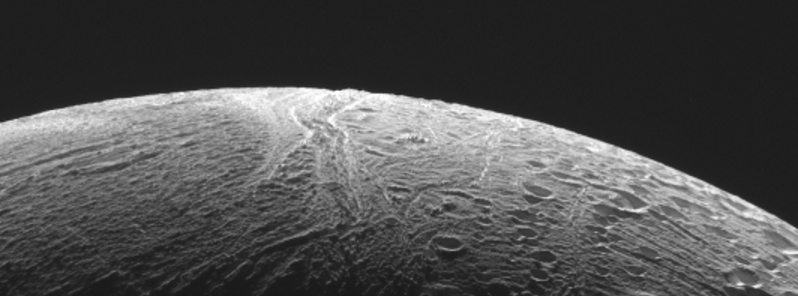
    NASA's Cassini spacecraft made its 22nd and the final close flyby of Saturn's moon Enceladus on December 19, 2015 at 17:49 UTC and will now continue to observe the moon from a much greater distance. The spacecraft passed Enceladus at a distance of 4 999 km…

  • 10-m wide asteroid makes a very close call with Earth

    A newly discovered asteroid, about 10-meters (34 feet) wide, flew past Earth well withing the orbit of the Moon on December 19, 2015. After a much bigger, 650-meter (0.33 miles) wide asteroid that flew past Earth at about 1.3 LD on October 31, this is the second…

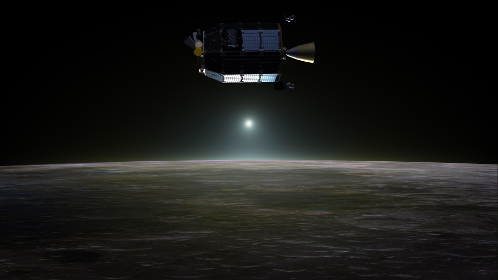
  • The force of meteoroid strikes on lunar exosphere

    NASA scientists have discovered new properties of the Moon's exosphere – a thin layer of gas surrounding the Moon that's about 25-trillionth the density of Earth’s atmosphere. Their data reveals that meteoroids cause an increase in two key elements in…

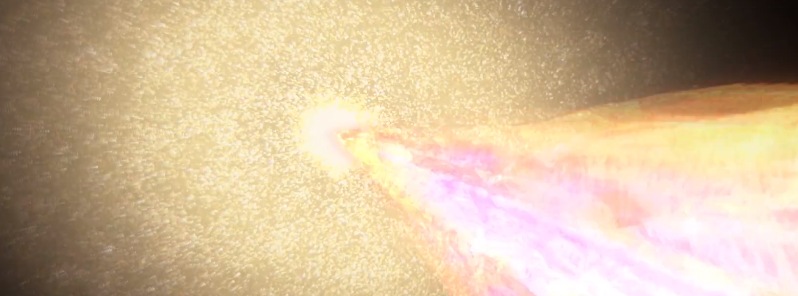
  • Blazar bonanza

    A long time ago in a galaxy half the universe away, a flood of high-energy gamma rays began its journey to Earth. When they arrived in April, NASA's Fermi Gamma-ray Space Telescope caught the outburst, which helped two ground-based gamma-ray observatories detect…