• Andromeda’s galactic imbalance stirs debate in cosmology

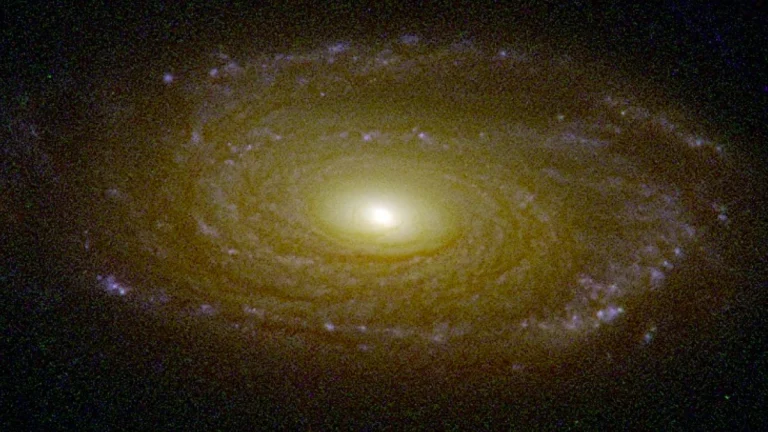
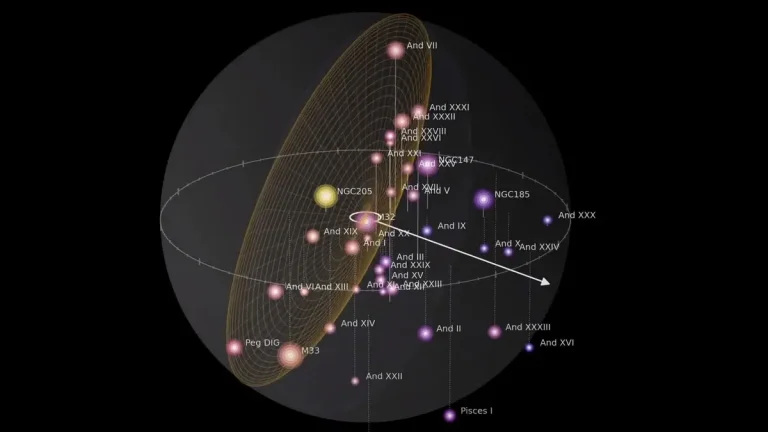
    A new study published in Nature found that Andromeda’s satellite galaxies are stacked on one side—an unusual imbalance that challenges the Lambda Cold Dark Matter (ΛCDM) cosmological model. The finding is stirring questions about the universe’s blueprint and suggests our cosmic models may be due for a rewrite.

  • Asteroid 2025 FV12 flew past Earth at 0.2 LD

    A newly discovered asteroid designated 2025 FV12 flew past Earth at a distance of 0.26 LD / 0.00079 AU (118 518 km / 73 644 miles) from the center of our planet at 01:31 UTC on March 28, 2025. This was the first of two asteroid flyby’s within 1 lunar distance today.

  • Very deep partial solar eclipse of March 29, 2025

    A very deep partial solar eclipse will occur between 08:50 and 12:43 UTC on March 29, 2025, across parts of the Northern Hemisphere, as the Moon passes in front of and partially blocks the Sun. The maximum eclipse, where the Moon covers the largest portion of the Sun, will take place at 10:47 UTC.

  • Scientists discover massive radio jets coming out of nearby galaxy

    An international team of astronomers led by Christ University, Bangalore, found that a massive spiral galaxy almost 1 billion light-years away from Earth harbors a supermassive black hole billions of times the sun’s mass which is powering colossal radio jets stretching 6 million light-years across.

  • NASA astronauts stranded in orbit set for long-awaited return after nine months on ISS

    After an extended mission due to technical issues with their return spacecraft, two NASA astronauts are set to return to Earth aboard SpaceX’s Crew-9 capsule. Originally scheduled for a short stay, Sunita Williams and Barry Wilmore have spent nearly nine months aboard the International Space Station (ISS) after their Boeing Starliner capsule encountered propulsion problems. With the successful arrival of Crew-10 on March 16, 2025, the long-delayed crew rotation is now underway, paving the way for their return no earlier than March 20, 2025.