• Night sky guide for September 2017

    There are no major (Class I) meteor shower peaks during this month. Instead, we have two minor ones (Class II), Aurigids on September 1 and September Epsilon Perseids on September 9, with an estimated number of meteors per hour of 6 and 5, respectively. We'll…

  • Electric comets: The most dramatic displays

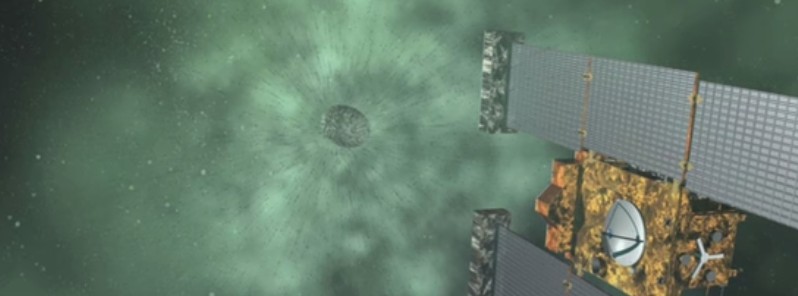
    In our previous episode, we began a commemoration of the 5-year anniversary of Space News from the EU with a comprehensive summary of the most significant findings to date from comet missions. Today, we continue our commemoration with a review of the some of the…

  • Large fireball recorded over Krugersdorp, South Africa

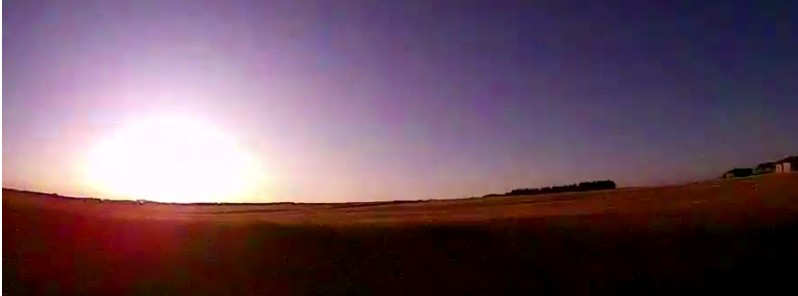
    A large fireball was observed and recorded over the South African city of Krugersdorp at 16:59 UTC (18:59 SAST) on August 22, 2017. The object had a bright blue-green color and lasted for more than 4 seconds. It was recorded by Jan Breytenbach over Krugersdorp but…

  • Total solar eclipse of August 21, 2017

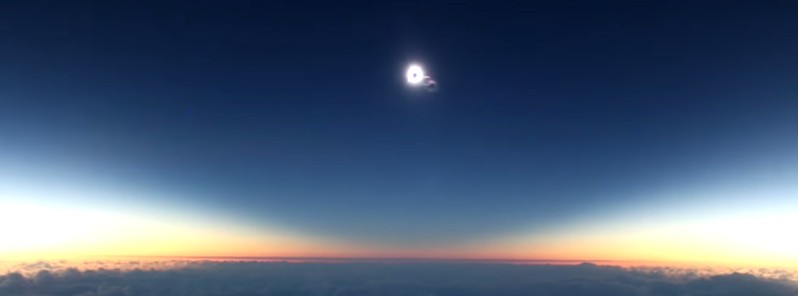
    A total solar eclipse will take place on August 21, 2017, starting over the Pacific Ocean at 15:46 UTC (08:46 PDT) and moving inland over the continental United States. Although 14 US states will witness the total solar eclipse, regions seeing, at least, a partial…

  • Asteroid 2017 QN2 to flyby Earth at 0.57 LD on August 20, 2017

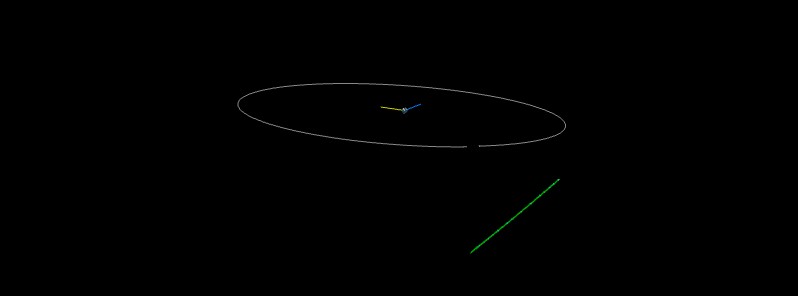
    A newly discovered asteroid designated 2017 QN2 will flyby Earth at a distance of 0.57 LD (~ 218 880 km / 136 005 miles) on August 20, 2017. This is the 27th known near-Earth asteroid to flyby Earth within 1 lunar distance since the start of the year (according to…

  • Partial lunar eclipse of August 7, 2017

    A partial lunar eclipse will take place on August 7, 2017, with the greatest eclipse occurring at 18:20 UTC. It will be visible from eastern Europe, throughout most of eastern Africa, central Asia, the Indian Ocean, and Australia. This lunar eclipse will begin at…