• Bright fireball streaks over Seattle, Washington

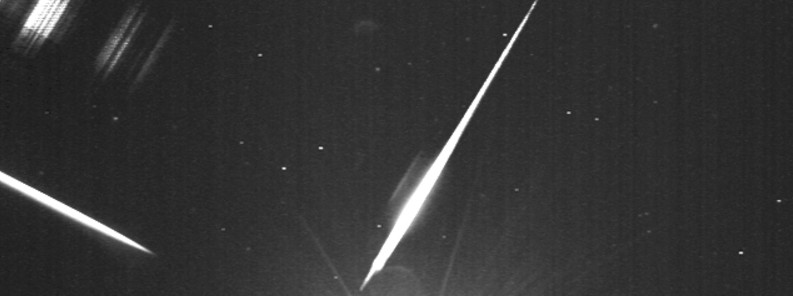
    A widely observed bright fireball streaked over the states of Washington, Montana, Idaho, Oregon, US and British Columbia, Canada at around 04:53 UTC on July 30, 2017 (21:53 PDT on July 29). As of 14:39 UTC on August 4, there are 843 witness reports submitted to the…

  • Night sky guide for August 2017

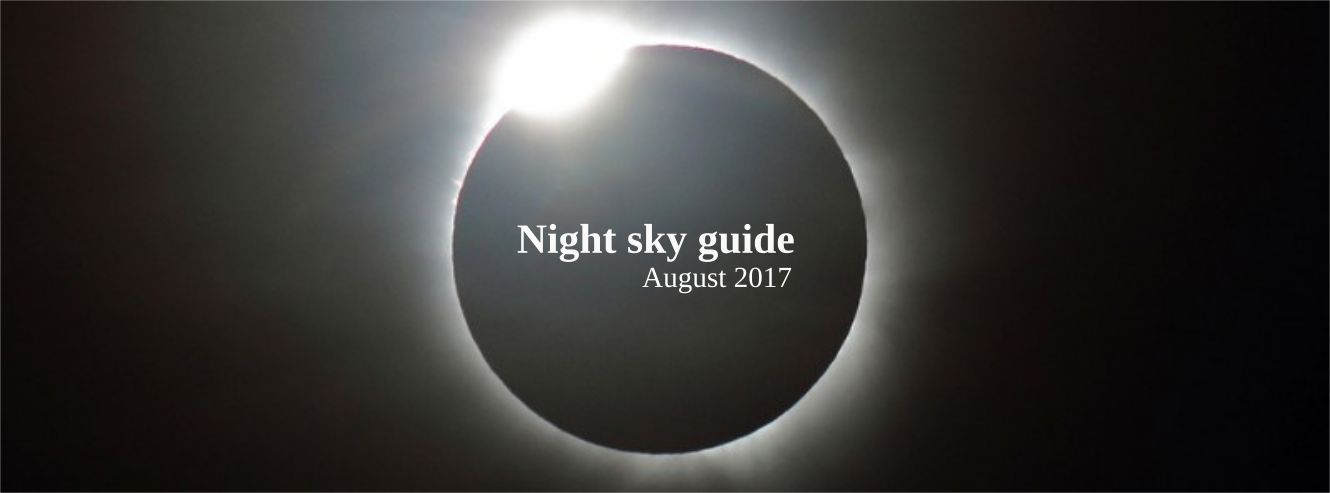
    Solar eclipse chasers, especially those living in the United States, have waited for this month for many years. On August 21, a rare, once-in-a-lifetime event for viewers in the US will make the Moon completely block out the Sun – total solar eclipse, revealing the…

  • Study provides evidence for externally powered Sun

    A new study published in the International Journal of Current Research provides evidence for externally powered Sun, challenging the concepts of the Standard Solar Model (SSM). The study suggests our star is not an isolated celestial body, but rather it is linked…

  • Saturn’s ‘weird’ magnetic field perplexes scientists

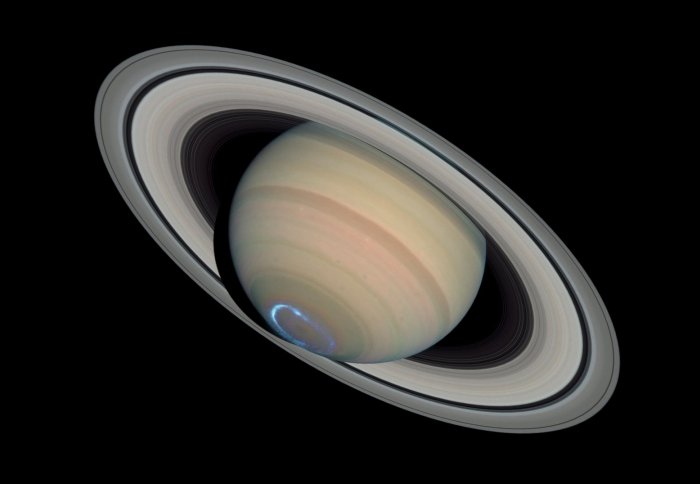
    The Cassini probe's first results from inside Saturn's rings make scientists question the conventional wisdom on how planets form magnetic fields. As NASA's Cassini spacecraft makes its unprecedented series of weekly dives between Saturn and its rings,…

  • Slow fireball recorded over the Mediterranean Sea

    This beautiful fireball overflew the western Mediterranean Sea, south of Span, at 22:18 UTC on July 25, 2017 (00:18 CET, July 26). The event lasted nearly 9 seconds. Following the analysis carried out by the SMART Project’s Principal Investigator, Professor…

  • Large, distant comets more common than previously thought

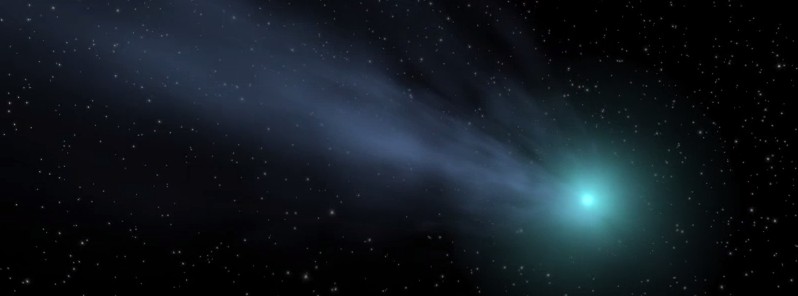
    Comets that take more than 200 years to make one revolution around the Sun are notoriously difficult to study. Because they spend most of their time far from our area of the solar system, many "long-period comets" will never approach the Sun in a…

  • Asteroid 2012 TC4 to safely flyby Earth on October 12, 2017

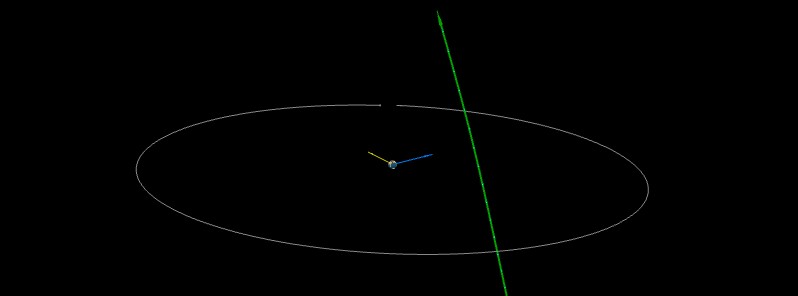
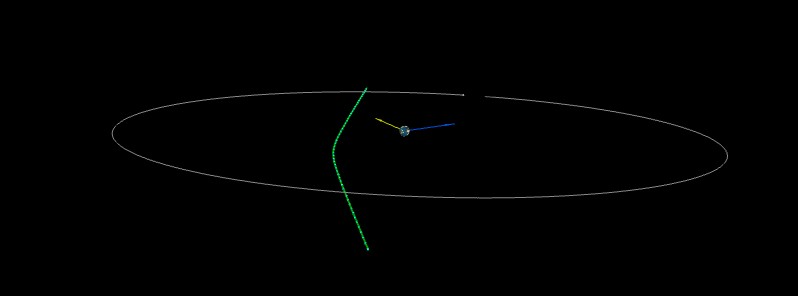
    A small Apollo-class asteroid named 2012 TC4 will safely flyby Earth at 06:07 UTC ( ± 02:51) on October 12, 2012. This asteroid has not ben seen since it was discovered in October 2012, when it flew past Earth at about 0.25 LD (¼ the distance from…

  • New mysteries surround MU69, New Horizons’ next flyby target

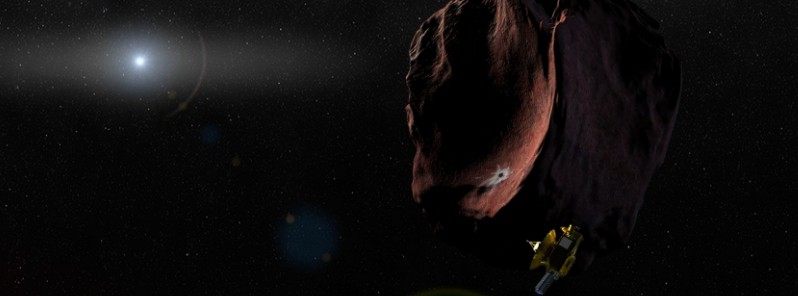
    NASA's New Horizons spacecraft doesn't zoom past its next science target until New Year's Day 2019, but the Kuiper Belt object, known as 2014 MU69, is already revealing surprises. Scientists have been sifting through data gathered from observing the…

  • Night sky guide for July 2017

    The Earth's annual orbit around the Sun will carry us to our furthest point from the Sun – aphelion – at a distance of 1.02 AU on July 3. Technically speaking, this marks the moment when the Sun appears smaller in the sky than at any other time of year, and when…