• Juno mission rewrites what we know about Jupiter

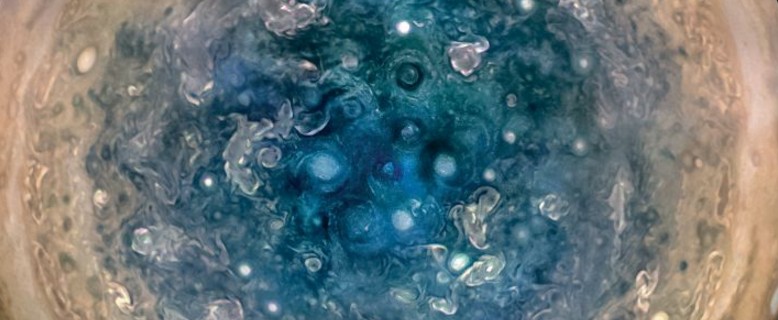
    NASA’s Juno mission, led by Southwest Research Institute’s Dr. Scott Bolton, is rewriting what scientists thought they knew about Jupiter specifically, and gas giants in general, according to a pair of Science papers released today. The Juno spacecraft…

  • Bright green fireball streaks across the New Zealand night sky

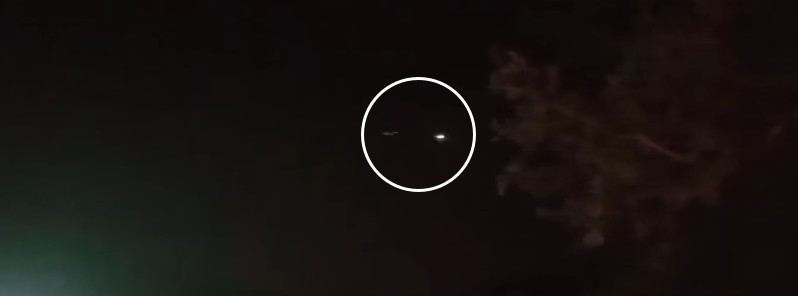
    A bright green fireball streaked across the night sky over North Island, New Zealand on May 18, 2017. The event took place around 07:15 UTC (19:15 NZST) and lasted up to 7 seconds. According to witness reports, the event lasted a few seconds before it disintegrated…

  • Asteroid 2017 JQ1 flew past Earth at 0.44 LD

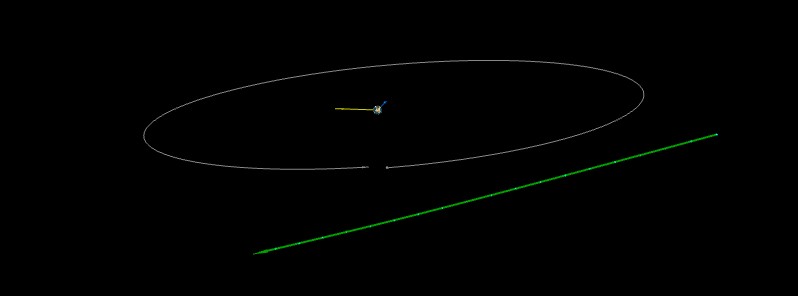
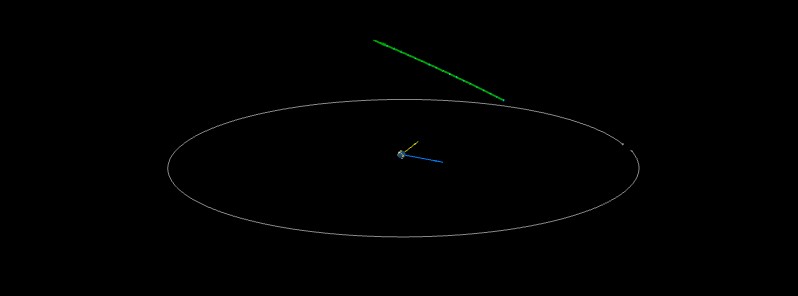
    A newly discovered asteroid designated 2017 JQ1 flew past Earth at a distance of 0.44 LD (168 960 km / 104 986 miles) at 01:16 UTC on May 4, 2017. This is the 23rd known asteroid to fly past Earth within 1 lunar distance since January 9, 2017 (according to data…

  • X-ray ‘tsunami’ discovered in Perseus galaxy cluster

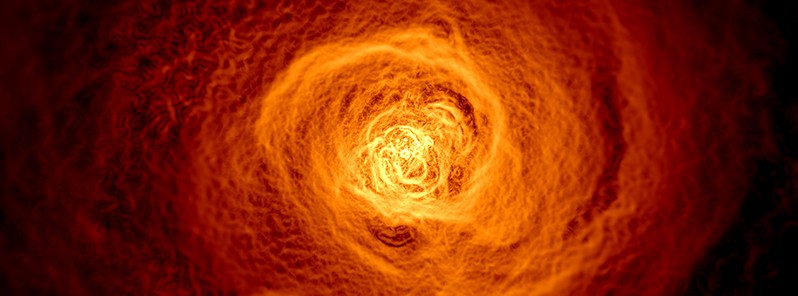
    Scientists have discovered a vast wave of hot gas in the nearby Perseus galaxy cluster, spanning some 200 000 light-years. This is twice the size of our own Milky Way galaxy. The discovery was made combining data from NASA's Chandra X-ray Observatory with radio…

  • Asteroid 2017 JA flew past Earth at a distance of 0.26 LD

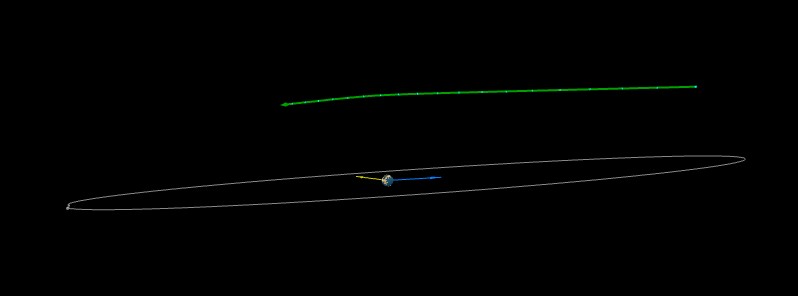
    A newly discovered asteroid 2017 JA flew past Earth at a distance of 0.26 LD (~99 840 km / 62 037 miles) on May 2, 2017, just a day after it was discovered. This is the 22nd known near-Earth asteroid to flyby Earth within 1 lunar distance (according to data…

  • Night sky guide for May 2017

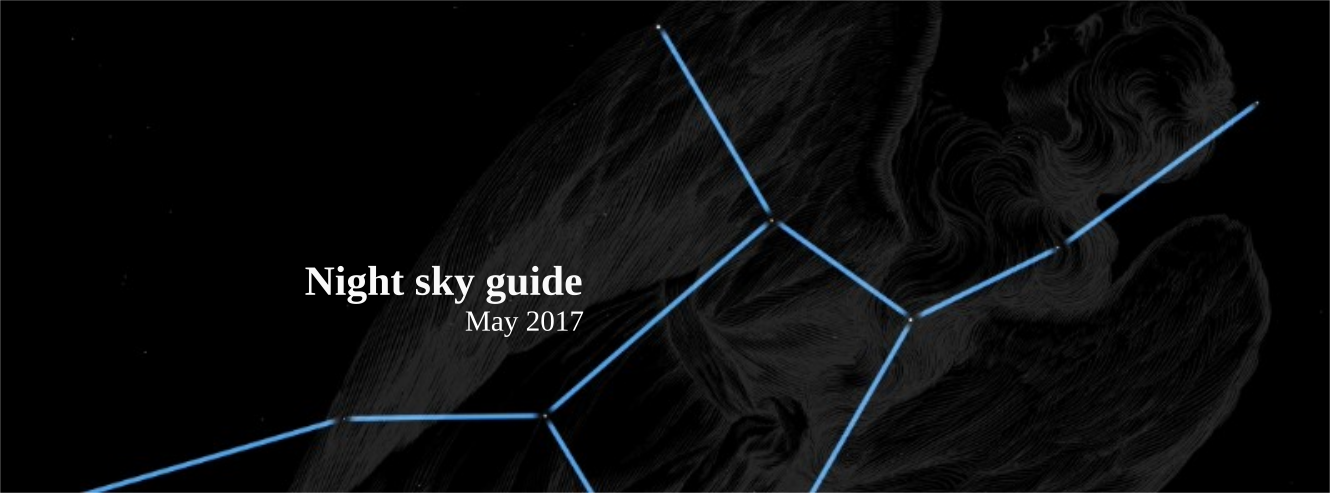
    May 2017 brings us Eta Aquarids, an above average meteor shower capable of producing up to 60 meteors per hour at its peak, in the southern hemisphere. The waxing gibbous moon, however, will block out many of the fainter meteors this year. The Moon will be located…

  • Asteroid 2017 HG4 flew past Earth at 0.61 LD

    A near-Earth asteroid designated 2017 HG4 flew past Earth at a distance of 0.61 LD (~234 240 km / 145 550 miles) on April 22, 2017, four days before it was discovered. This makes it the 20th known asteroid to fly past Earth within 1 lunar distance since January 9,…

  • Long-lasting fireball over Florida

    A long-lasting fireball was seen over Florida around 03:52 UTC on April 26, 2017 (23:52 EDT on April 25). The event lasted up to 20 seconds. The American Meteor Society received 46 reports by 17:35 UTC. Five witnesses reported sound associated with the event while…

  • New data show heliosphere is nearly round and symmetrical

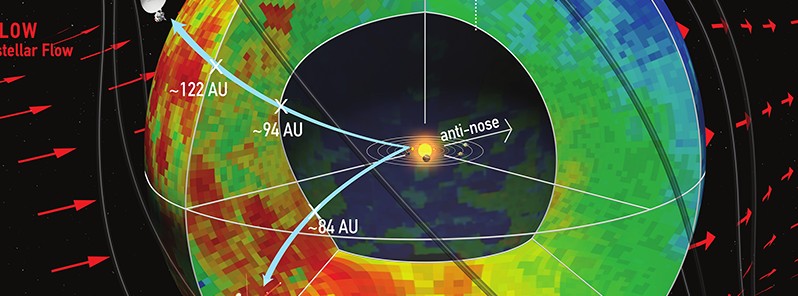
    New data covering an entire 11-year solar activity cycle suggest that Sun and planets in our solar system are surrounded by a giant, spherical system of magnetic field from the Sun, calling into question the current view of the solar magnetic fields trailing behind…

  • Newly discovered asteroid 2017 HV2 to flyby Earth at 0.33 LD

    A newly discovered asteroid designated 2017 HV2 will flyby Earth at a distance of 0.33 LD (~126 720 km / 78 740 miles) on April 23, 2017. This is the 21st known asteroid to flyby Earth within 1 lunar distance since the start of the year (according to data available…