• Meteorite hits White Nile, Sudan, large fragments found

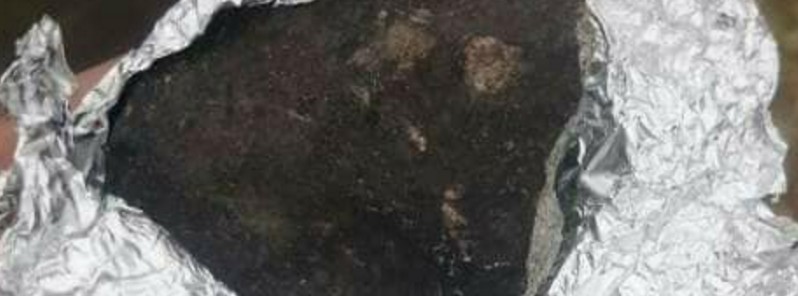
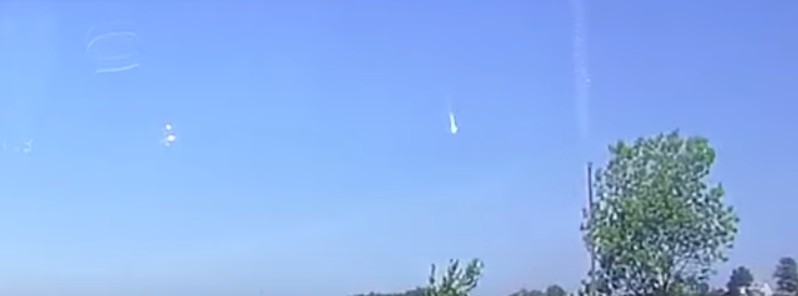
    Sudanese authorities said Sunday, June 25, 2017, they have recovered fragments of meteorites which struck a remote area of the state of White Nile in the south of the state at dawn on Wednesday, June 21. Eyewitness reports mention loud sound and a bright light that…

  • Study suggests another large planetary body exists in Solar System

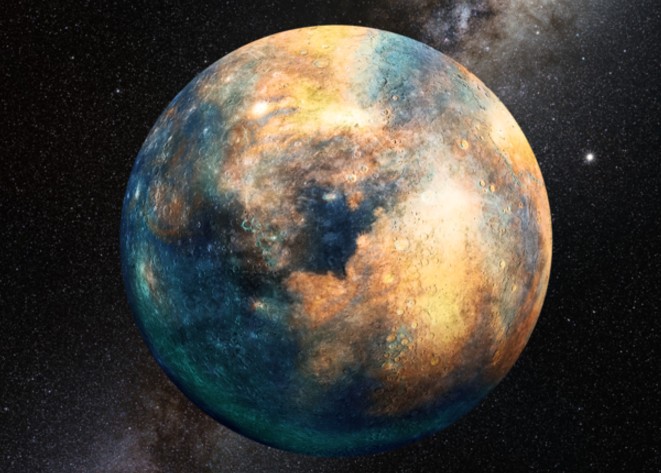
    A new study from the University of Arizona suggests that an unknown, and currently unseen planetary body exists in the outer reaches of our solar system. The planet is located far beyond Pluto and has a mass somewhere between that of Mars and Earth. This object is…

  • Electric Jupiter and its many surprises

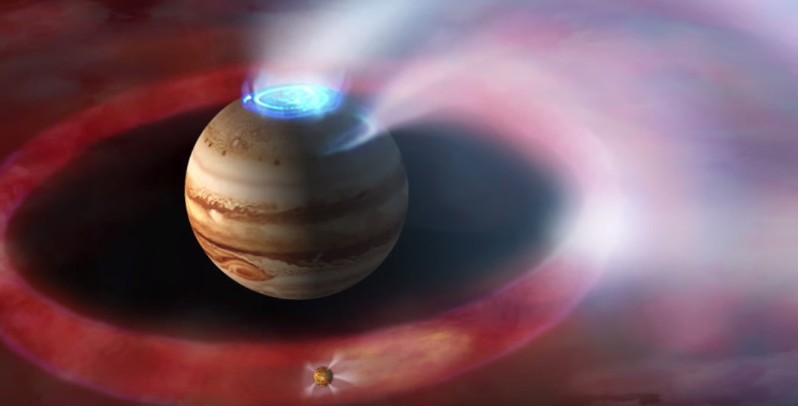
    Scientists working on NASA’s historic Juno mission to the gas giant Jupiter have recently presented their early findings for the first time. Like so many other recent space missions, what they have discovered is not what they expected. As reported by New…

  • Our sun had a twin when it was born, study

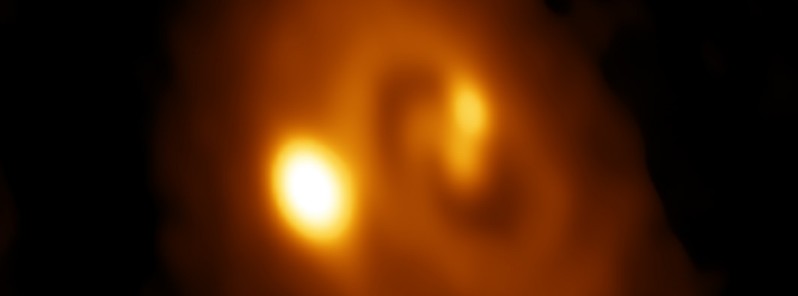
    According to a new analysis by a theoretical physicist from UC Berkley and a radio astronomer from the Smithsonian Astrophysical Observatory at Harvard University, our sun, as well as every other sunlike star in the universe, had a twin when it was born. Astronomers…

  • Very bright fireball over the English Channel

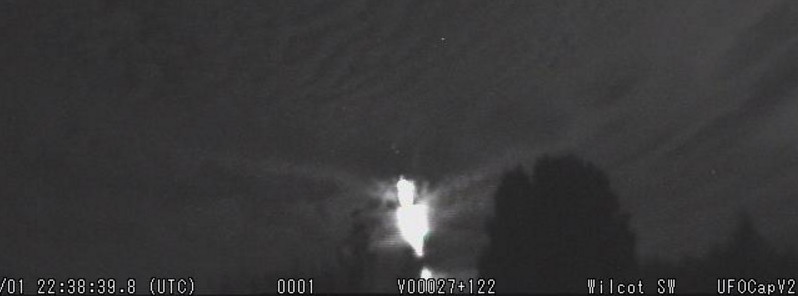
    A very bright fireball was seen and recorded above the English Channel at 22:38 UTC on June 1, 2017. The fireball lasted several seconds and was primarily seen from England. The UK Meteor Network (UKMON) started receiving reports just minutes after the event….

  • Night sky guide for June 2017

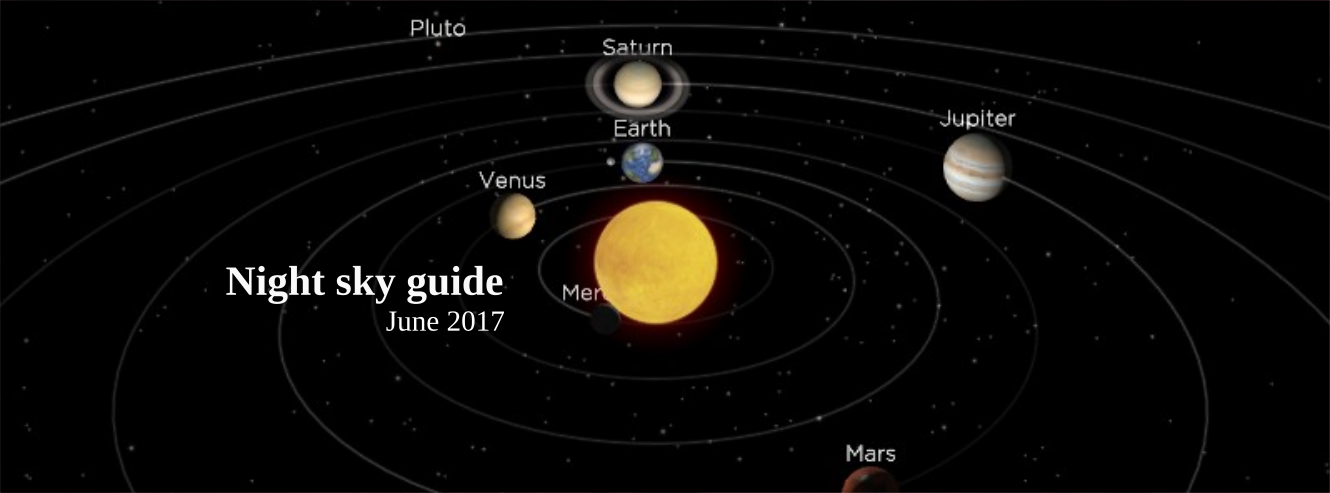
    Although meteorologists often take summer/winter to start on June 1, northern hemisphere's summer and southern hemisphere's winter will officially begin on June 21 with June Solstice at 04:15 UTC. The Moon will reach its full phase at 13:11 UTC on June 9….

  • Enceladus’ spin axis may have tilted due to asteroid impact

    Cassini mission scientists found evidence that Saturn's icy, ocean-bearing moon Enceladus may have tipped over in the distant past. Its spin axis, the line through the north and south poles, has reoriented, possibly due to a collision with a smaller body such as…