• ESO: Merging neutron stars scatter gold and platinum into space

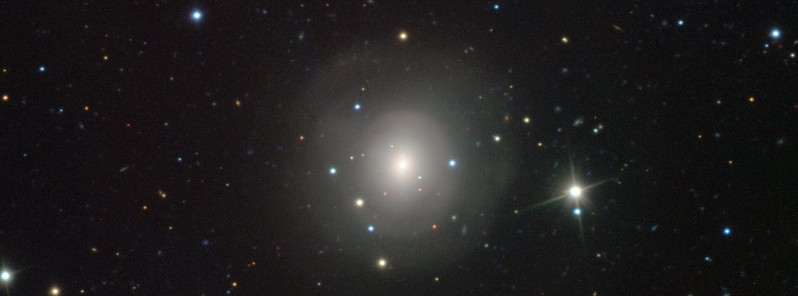
    ESO’s fleet of telescopes in Chile have detected the first visible counterpart to a gravitational wave source. These historic observations suggest that this unique object is the result of the merger of two neutron stars. The cataclysmic aftermaths of this kind…

  • Asteroid 2017 TH5 to flyby Earth at 0.26 LD on October 16, 2017

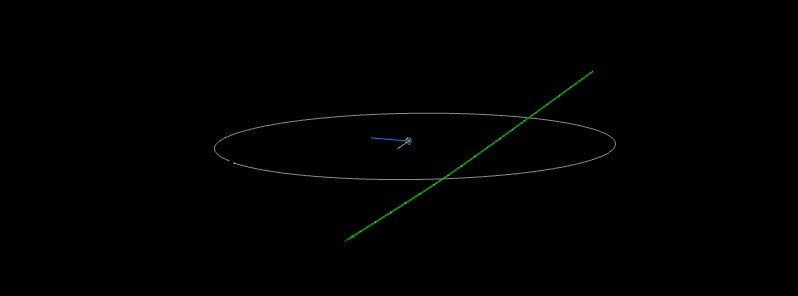
    A newly discovered asteroid designated 2017 TH5 will flyby Earth at a very close distance of 0.26 LD (~99 840 km / 62 073 miles) from the surface of our planet at 17:15 UTC on October 16, 2017. This asteroid, first observed at Mt. Lemmon Survey on October 15, 2017,…

  • Astronomers discover unusual spindle-like galaxies

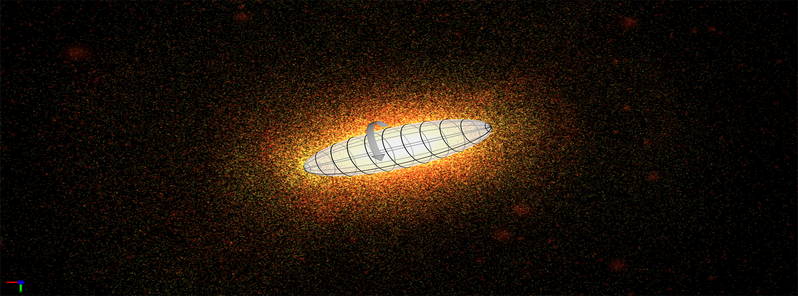
    Using the CALIFA survey, astronomer Athanasia Tsatsi (Max Planck Institute for Astronomy) and her colleagues studied the spindle-like galaxies and found that these slender galaxies, which rotate along their longest axis, are much more common than previously thought….

  • Asteroid 2012 TC4 to flyby Earth at 0.13 LD on October 12

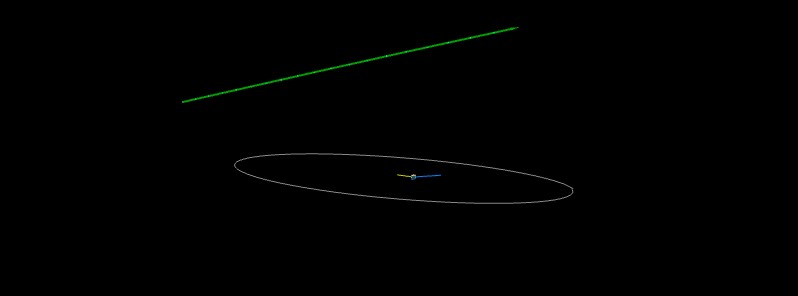
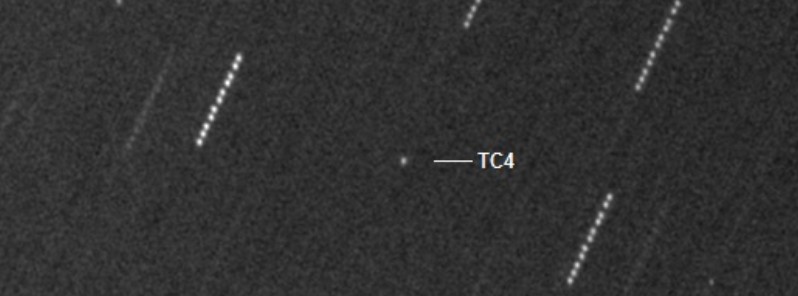
    Asteroid 2012 TC4, discovered in 2012 by PanSTARRS-1, will fly past our planet at a very close distance of 0.13 LD (~50 100 km / 31 140 miles) at 05:40 UTC on October 12, 2017. Current estimates suggest it should peak around mag +12.8 at closest approach and be…

  • Very bright fireball streaks over western France

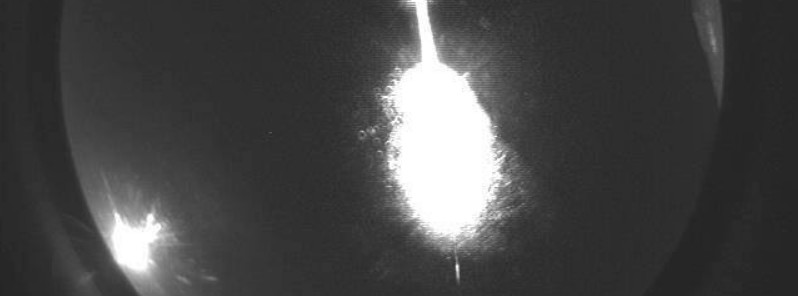
    A very bright fireball streaked across the night sky over western France at 03:36 UTC (05:36 local time) on October 5, 2017 and was recorded by REFORME's all-sky camera. It lasted between 3 and 7 seconds and was much brighter than the Moon. REFORME is asking all…

  • Night sky guide for October 2017

    October 2017 has two meteor showers, one minor – Draconids, on October 8, and one major – Orionids, on October 21 and 22. Draconids will be mostly blocked by the nearly full moon, but Orionids will present an interesting opportunity as the crescent Moon will set…

  • Asteroid 2017 SX17 to flyby Earth at 0.23 LD on October 2

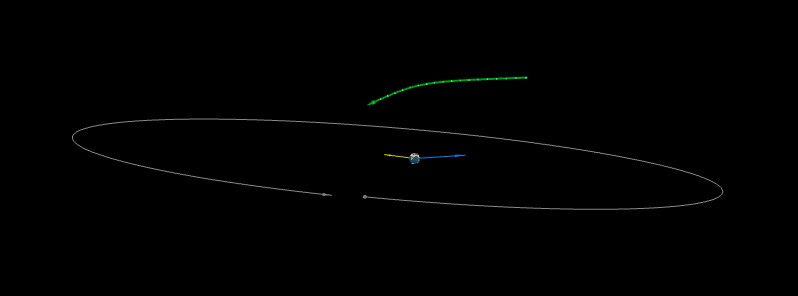
    A small asteroid designated 2017 SX17 will flyby Earth at a very close distance of 0.23 LD (~ 88 320 km / 54 879 miles) on October 2, 2017. This is the 36th known asteroid to flyby Earth since the start of the year, according to data available at CNEOS on October…