• IceCube experiment measures Earth’s ability to absorb neutrinos

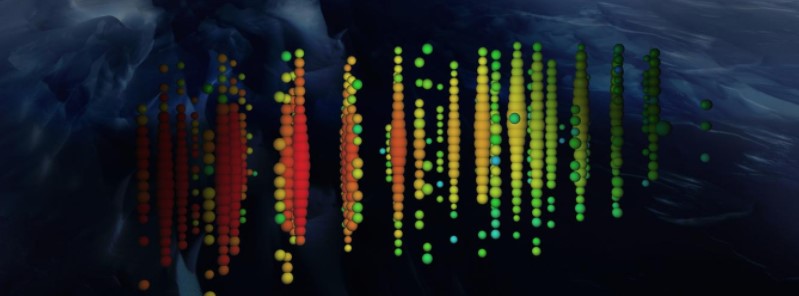
    For the first time, a science experiment has measured Earth's ability to absorb neutrinos – the smaller-than-an-atom particles that zoom throughout space and through us by the trillions every second at nearly the speed of light. The experiment was achieved with…
  • Mysterious deep-Earth seismic signature explained

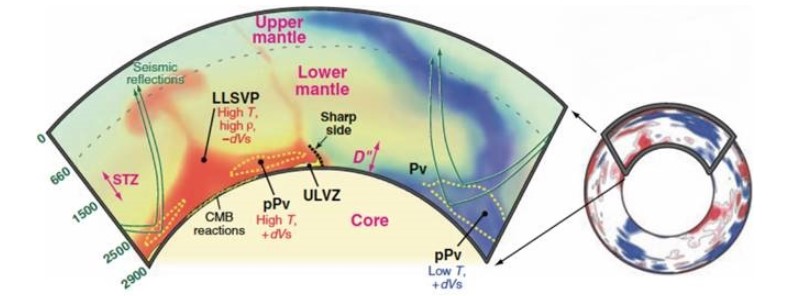
    New research on oxygen and iron chemistry under the extreme conditions found deep inside the Earth could explain a longstanding seismic mystery called ultralow velocity zones. The findings could have far-reaching implications on our understanding of Earth's…

  • Thunderstorms create radioactivity

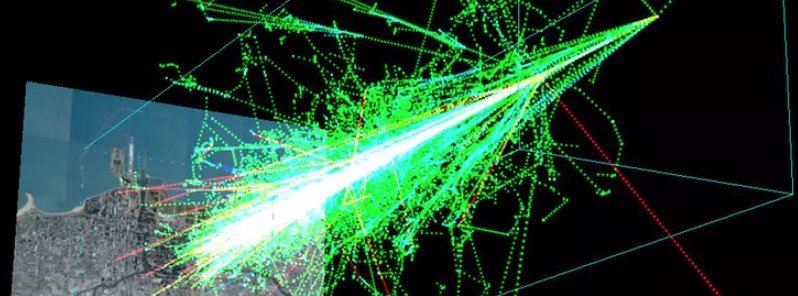
    A new study, published this week in Nature, shows that thunderstorms can also produce radioactivity by triggering nuclear reactions in the atmosphere. This may sound like the plot of a blockbuster science fiction disaster. But in reality, it’s nothing to worry…

  • New insights into processes that cause volcanism

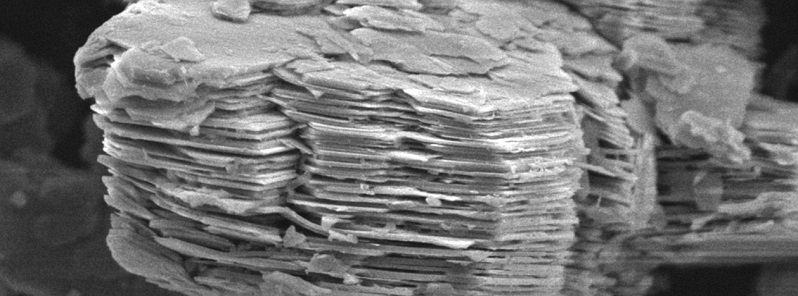
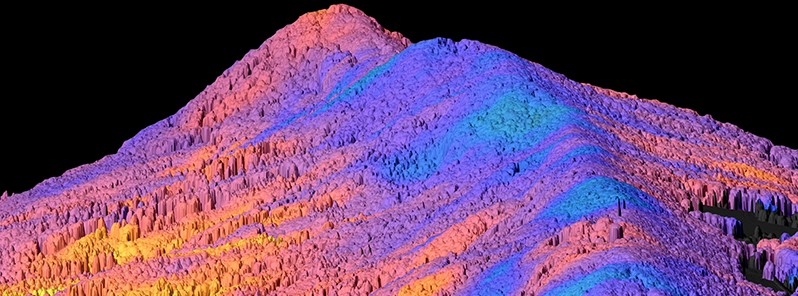
    The first observation of a super-hydrated phase of the clay mineral kaolinite could improve our understanding of processes that lead to volcanism and affect earthquakes. In high-pressure and high-temperature X-ray measurements that were partly conducted at DESY…

  • NASA detects solar flare pulses at Sun and Earth

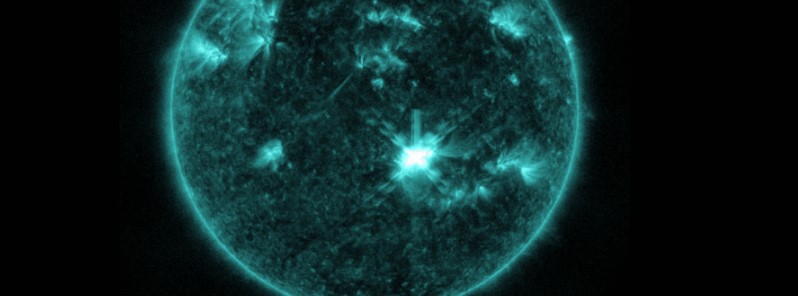
    When our Sun erupts with giant explosions—such as bursts of radiation called solar flares—we know they can affect space throughout the solar system as well as near Earth. But monitoring their effects requires having observatories in many places with many…

  • Three decades of measurements show ozone’s ups and downs

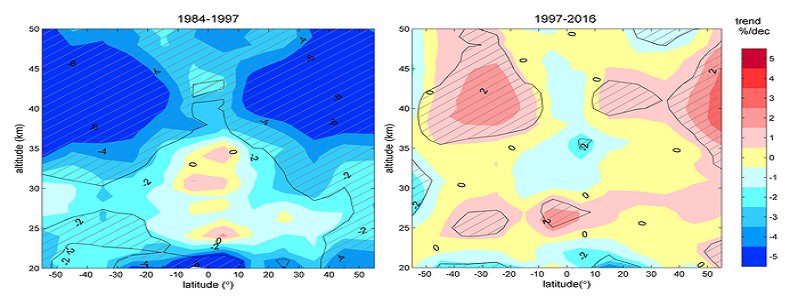
    Climate scientists studying three decades of ozone measurements from seven satellites see a positive trend in global recovery after international efforts to curb ozone-depleting substances. The part of Earth’s atmosphere with high concentrations of ozone gas…

  • Astronomers discover a star that just keeps shining

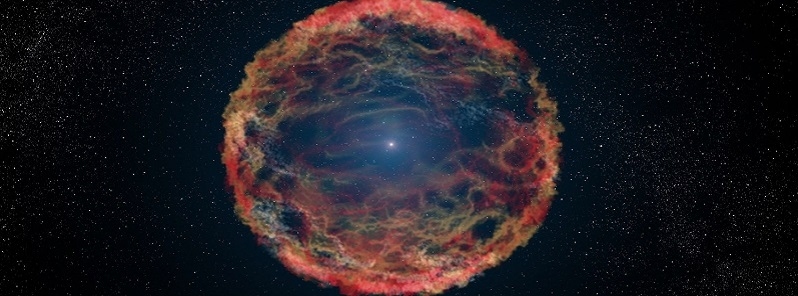
    An international team of astronomers led by Las Cumbres Observatory (LCO) has made a bizarre discovery; a star that just keeps shining. Supernovae, the explosions of stars, have been observed in the thousands and in all cases they marked the death of a star. But in…

  • Closest temperate world orbiting quiet star discovered

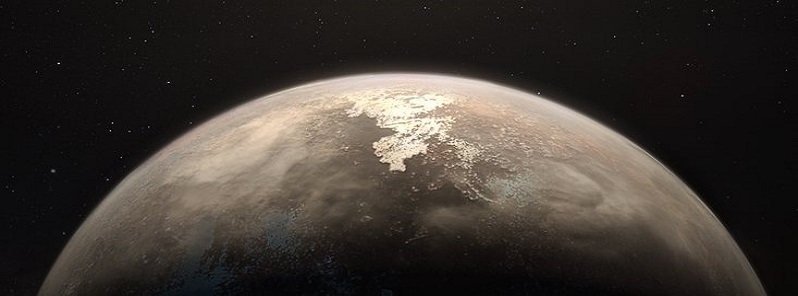
    A temperate Earth-sized planet has been discovered only 11 light-years from the Solar System by a team using ESO’s unique planet-hunting HARPS instrument. The new world has the designation Ross 128 b and is now the second-closest temperate planet to be…

  • Mapping functional diversity of forests with remote sensing

    Productivity and stability of forest ecosystems strongly depend on the functional diversity of plant communities. UZH researchers have developed a new method to measure and map functional diversity of forests at different scales – from individual trees to…