• Blizzard conditions, tornadoes, and fire weather threats as powerful storm moves across U.S.

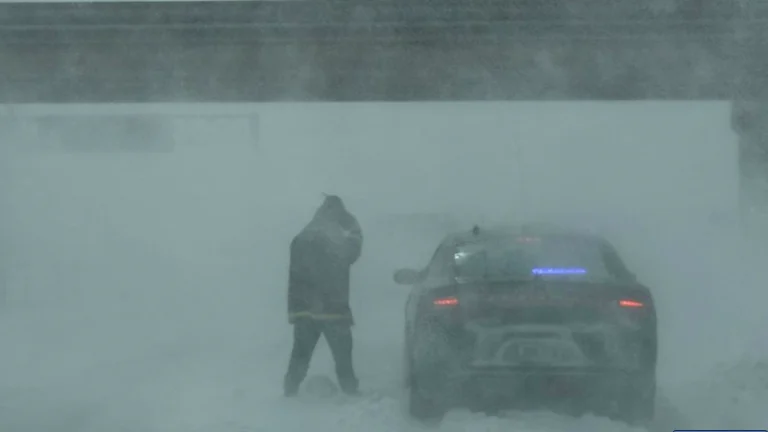
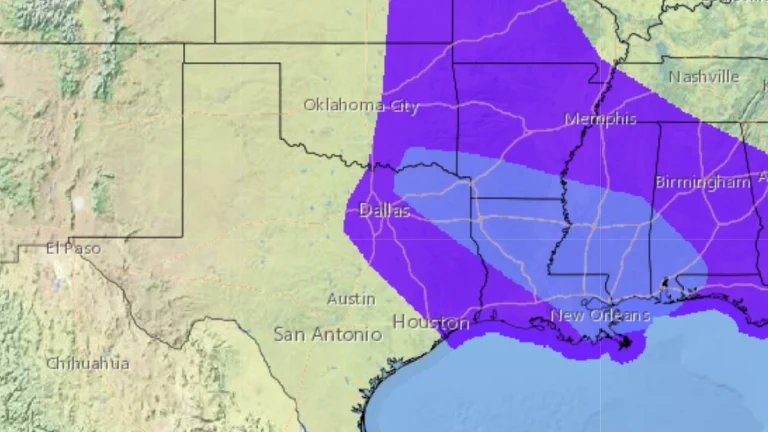
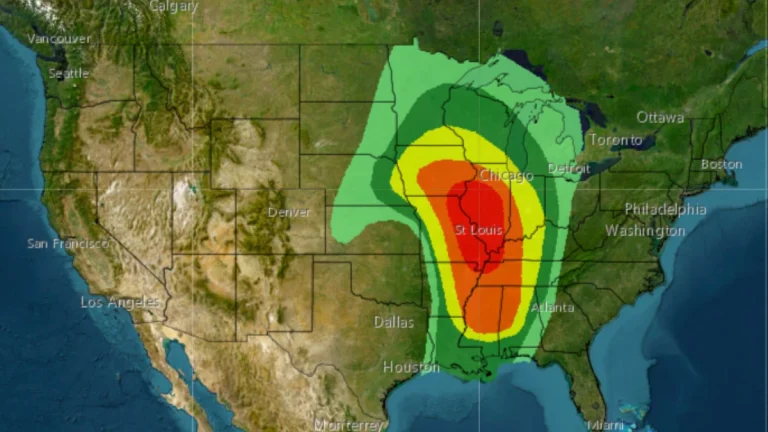
    Millions are bracing for a major storm system forecast to bring severe weather across the U.S., including damaging winds, heavy snowfall, and the threat of tornadoes. The system is set to bring blizzard conditions to the West, severe thunderstorms to the Midwest, and critical fire weather to the Southern Plains, impacting millions through the weekend.

  • Researchers warn of another mega-quake as Japan commemorates 14th anniversary of 2011 disaster

    As Japan marks the 14th anniversary of the 2011 Tohoku mega-quake—a magnitude 9.0 disaster that killed nearly 16 000 and triggered the Fukushima crisis—a new study from Tohoku, Hokkaido, and JAMSTEC researchers warns that strain building in the Chishima Trench off Hokkaido could unleash another magnitude 9.0 quake in the coming decades.

  • Tornado strikes FOX 35 Orlando studio during live broadcast, Florida

    A tornado struck Seminole County, Florida, at approximately 09:30 EDT on March 10, 2025, impacting the FOX 35 News studio in Lake Mary during a live broadcast. The radar-confirmed tornado, estimated to be an EF-0 or brief EF-1, crossed Interstate 4 near the Lake Mary exit, causing structural damage and overturning vehicles.

  • Final polar vortex collapse of the season begins

    The final polar vortex collapse of the 2024–25 winter season has begun with one of the strongest sudden stratospheric warming (SSW) events being forecast to develop and bring late-season cold to much of the U.S.

  • Tornado Watch issued for parts of Texas as storms move through Dallas-Fort Worth

    A Tornado Watch remains in effect on Tuesday, March 4, 2025, for areas east of the Dallas-Fort Worth metroplex in Texas as a line of strong storms moves across the region. The storms are expected to clear the area by midday, after which a Red Flag Warning will take effect for Killeen in Central Texas. Strong, dry winds following the system—forecast to reach 40—55 km/h (25—35 mph) with gusts up to 80 km/h (50 mph)—will increase fire weather risks, shifting the primary hazard from severe storms to the potential for rapid fire spread.