• Solar Dynamics Observatory – Argos view

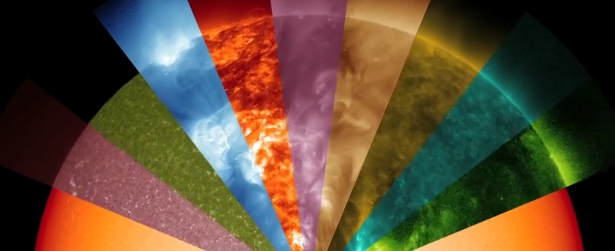
    Argos (or Argus Panoptes) was the 100-eyed giant in Greek mythology.

    While NASA Solar Dynamics Observatory (SDO) has significantly less than 100 eyes, seeing connections in the solar atmosphere through the many filters of SDO presents a number of interesting
  • The solar eclipse cycle – Saros cycle

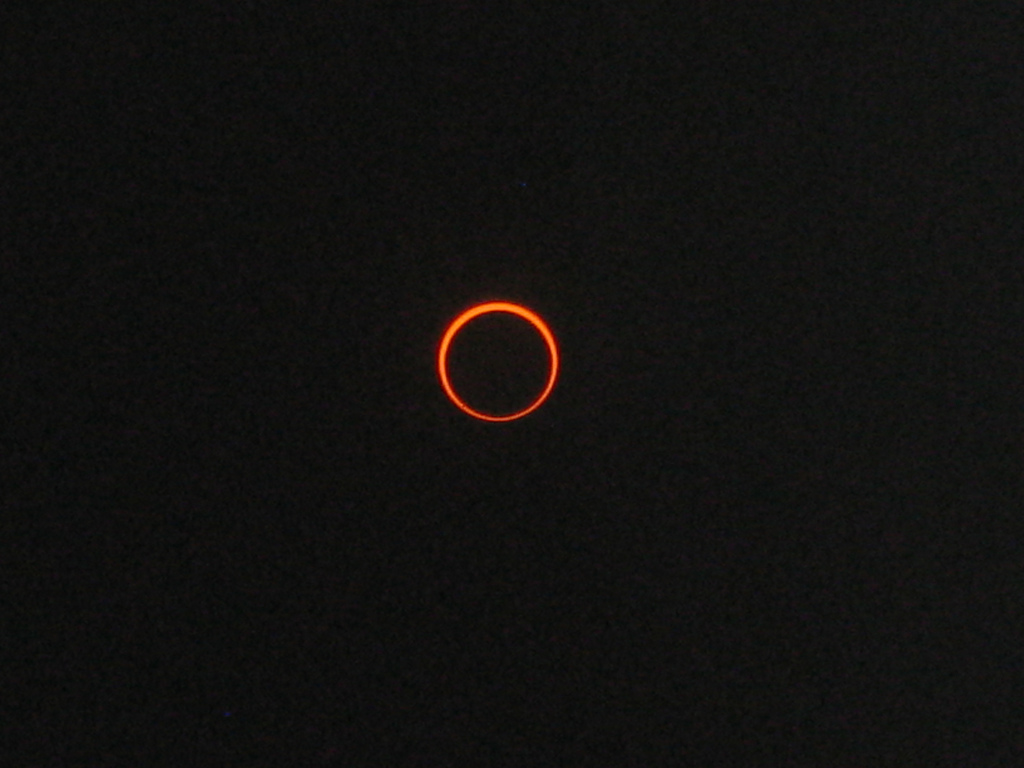
    The periodicity and recurrence of eclipses is governed by the Saros cycle, a period of approximately 6,585.3 days (18 years 11 days 8 hours). It was known to the Chaldeans as a period when lunar eclipses seem to repeat themselves, but the cycle is

  • What is a sungrazing comet?

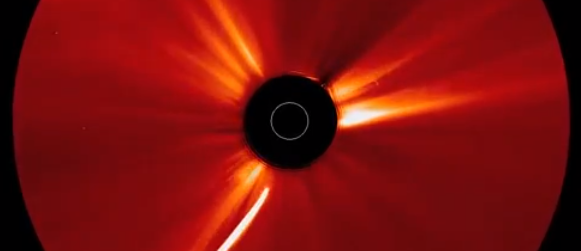
    Sungrazing comets are a special class of comets that come very close to the Sun at their nearest approach, a point called perihelion. To be considered a sungrazer, a comet needs to get within about 850,000 miles from the sun at perihelion. Many come even closer, even

  • Earth at aphelion on July 5, 2013

    Since Earth`s orbit is an ellipse, on July 5, 2013 our planet will be on the farthest end of the curve, at the most distant point from the Sun. That is called aphelion.

    In Earth`s orbit the average distance from the Sun is roughly 150 million kilometers, but at

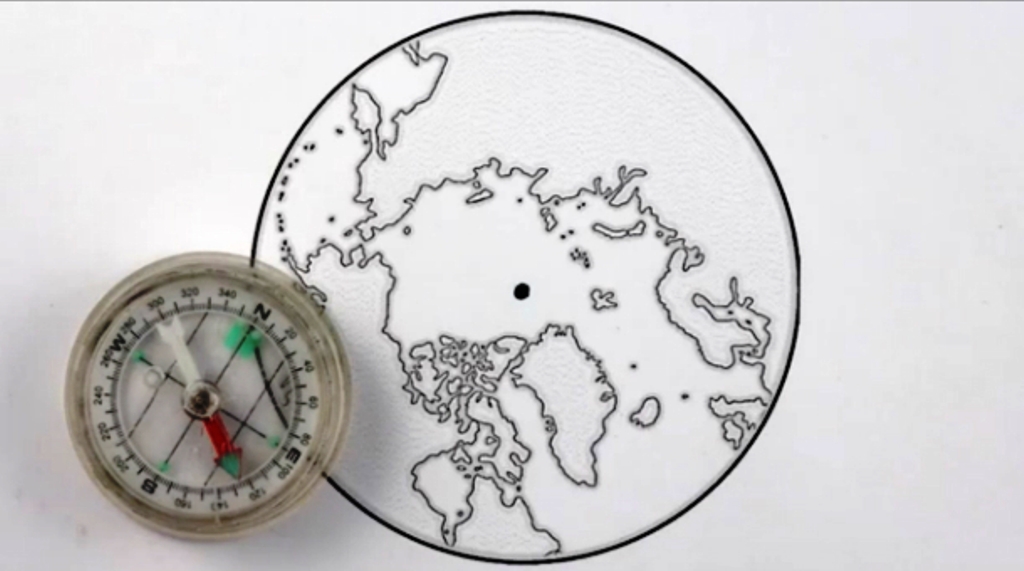
  • Where is the true North Pole?

    The North Pole is at the top of the Earth and the South Pole is at the bottom, right?

    Except that the Earth is kind of a ball, and they don't really have tops and bottoms. Of course Earth isn`t exactly spherical and isn`t spinning through space – spinning about

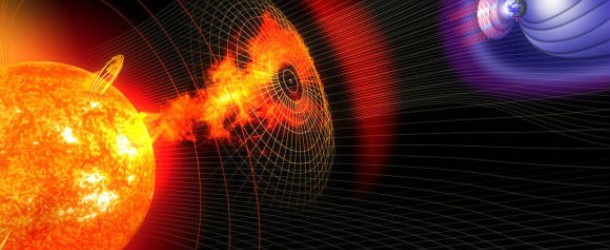
  • Intro to space weather vocabulary – video

    Heliophysics scientists study energy transformation from one event to the other and which electromagnetic waves create which conditions near Earth. Space weather effects can disrupt satellites in space, so scientists need to understand the system in even more detail.

  • MinuteEarth: Why are leaves green?

    Have you ever wondered why leaves are green and not red, blue, or even black? Well, MinuteEarth released another interesting movie answering the question. Source:

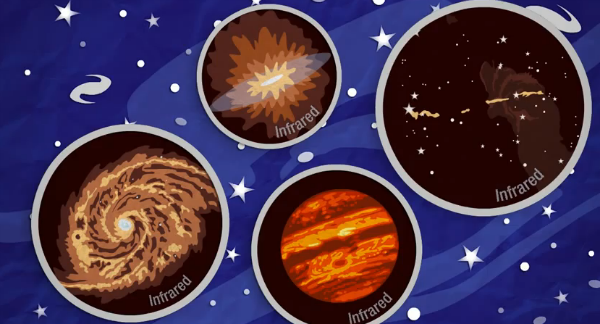
  • Infrared: Beyond the Visible

    The answers to some of the universe’s greatest mysteries are being beamed through the night sky in light we can’t see with human eyes … but it won’t be invisible to us forever. Explore the wonder of infrared astronomy and the promise of the upcoming Webb Space

  • MinuteEarth: The Story of Our Planet

    Agriculture, hula hoops, SARS, and THIS video: how long did they take to get around the earth? The genius guys behind MinutePhysics started a new project MinuteEarth – Science and stories about our awesome planet! This is the first MinuteEarth video

  • Minute Physics: What Is The Universe?

    Minute Physics provides an energetic and entertaining view of old and new problems in physics — all in a minute! This time  they tried to explain what is the Universe! MinutePhysics is on Google+ – http://bit.ly/qzEwc6And facebook