• Solar radio bursts

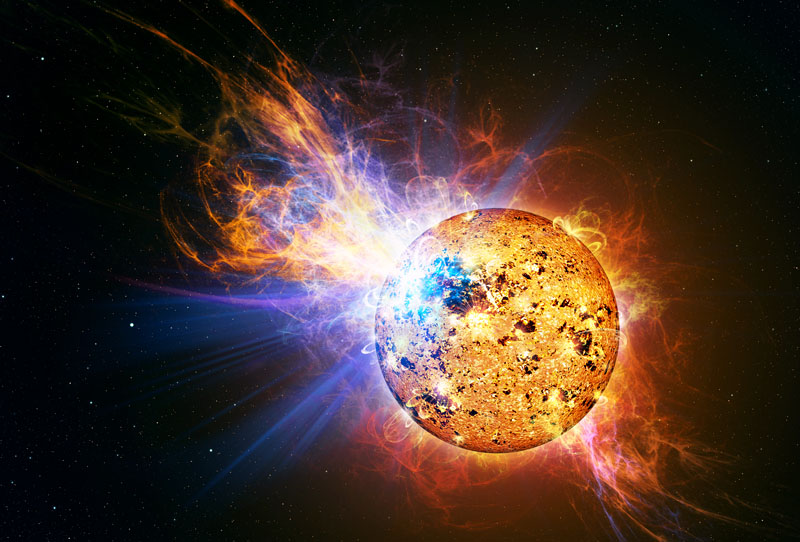
    This week's sharp increase in solar activity has turned the Sun into a radio transmitter. Bursts of shortwave static are coming from the unstable magnetic canopy of sunspot 1283. Yesterday in New Mexico, amateur radio astronomer Thomas Ashcraft recorded some…
  • Scientists drill into San Andreas Fault to understand its secrets

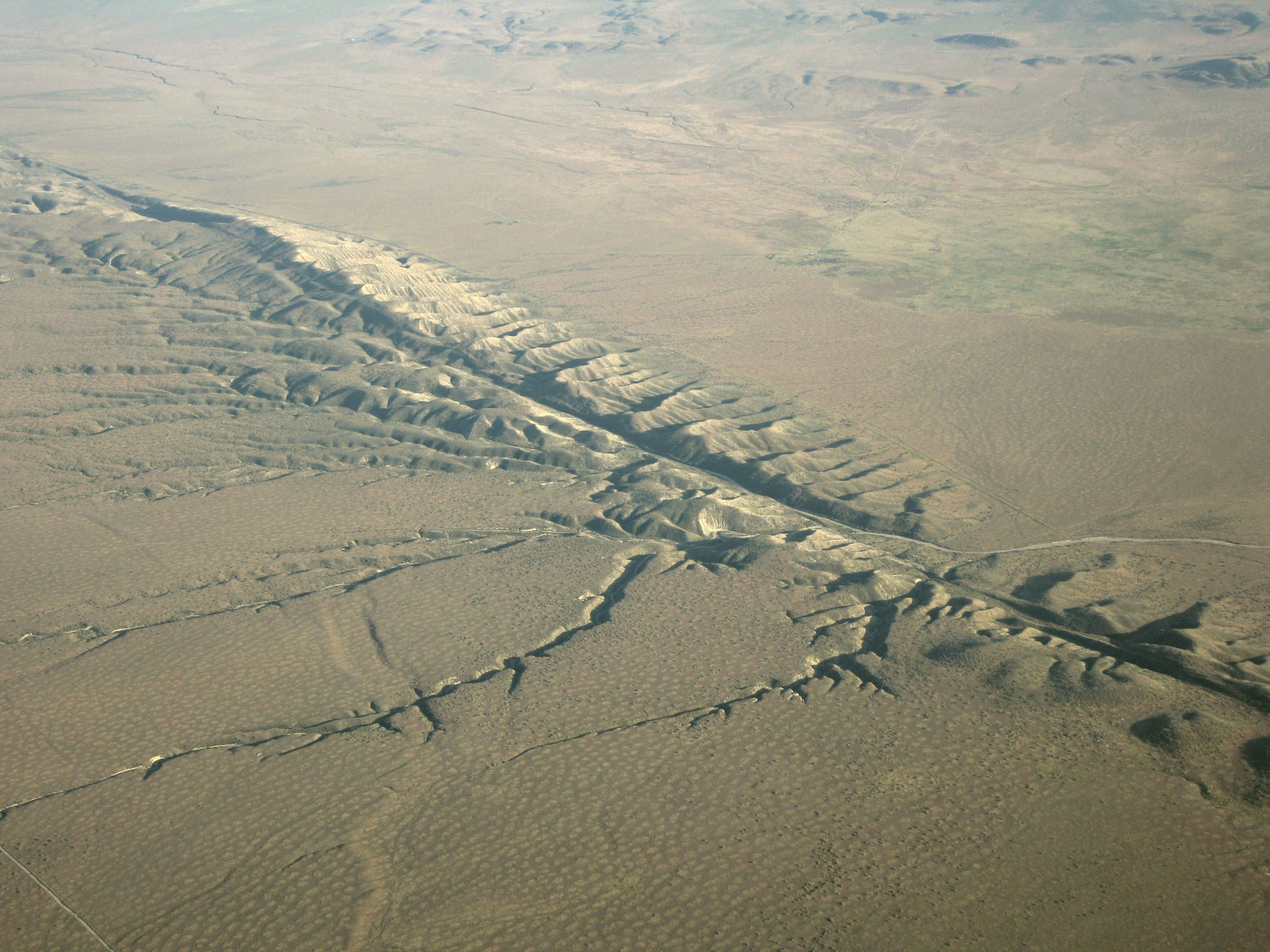
    Earthquake-Report.com came across a video of the National Science Foundation that explains what scientists are currently doing to understand what is going on inside the San Andreas Fault. The video has been aired in the PBS NewsHour. Understanding what happens at…

  • NASA tests communication scenarios for Near-Earth Asteroids

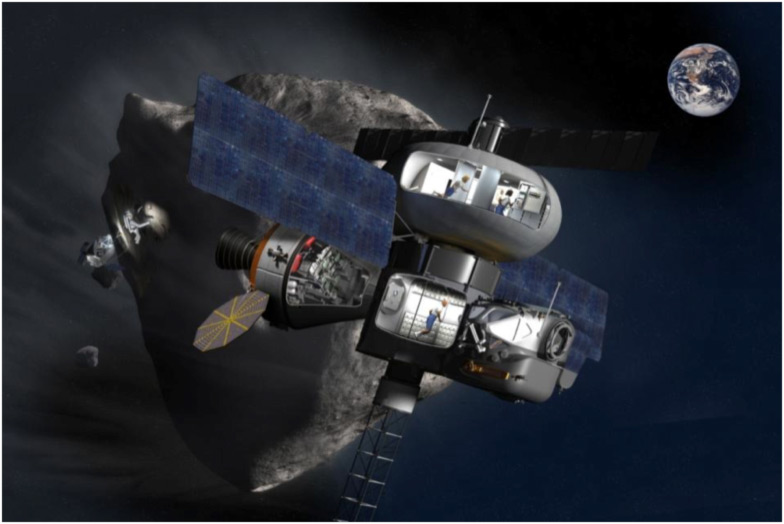
    NASA’s Desert Research and Technology Studies (RATS) team has commenced testing communication scenarios for near-Earth asteroids. The RATS team also evaluates technology, human-robotic systems and extravehicular equipment in the high desert near Flagstaff,…

  • Second chemical leak at Australian plant

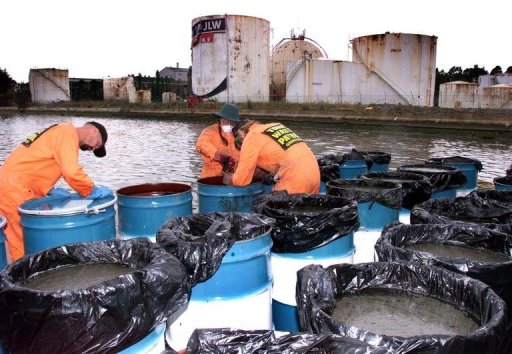
    An Australian chemical company admitted Saturday that one of its sites had leaked toxic compounds for the second time in two weeks.Orica said that effluent containing higher than allowable levels of arsenic poured from its Kooragang Island site into the Hunter River

  • Swarm of strong earthquakes hits Vanuatu region

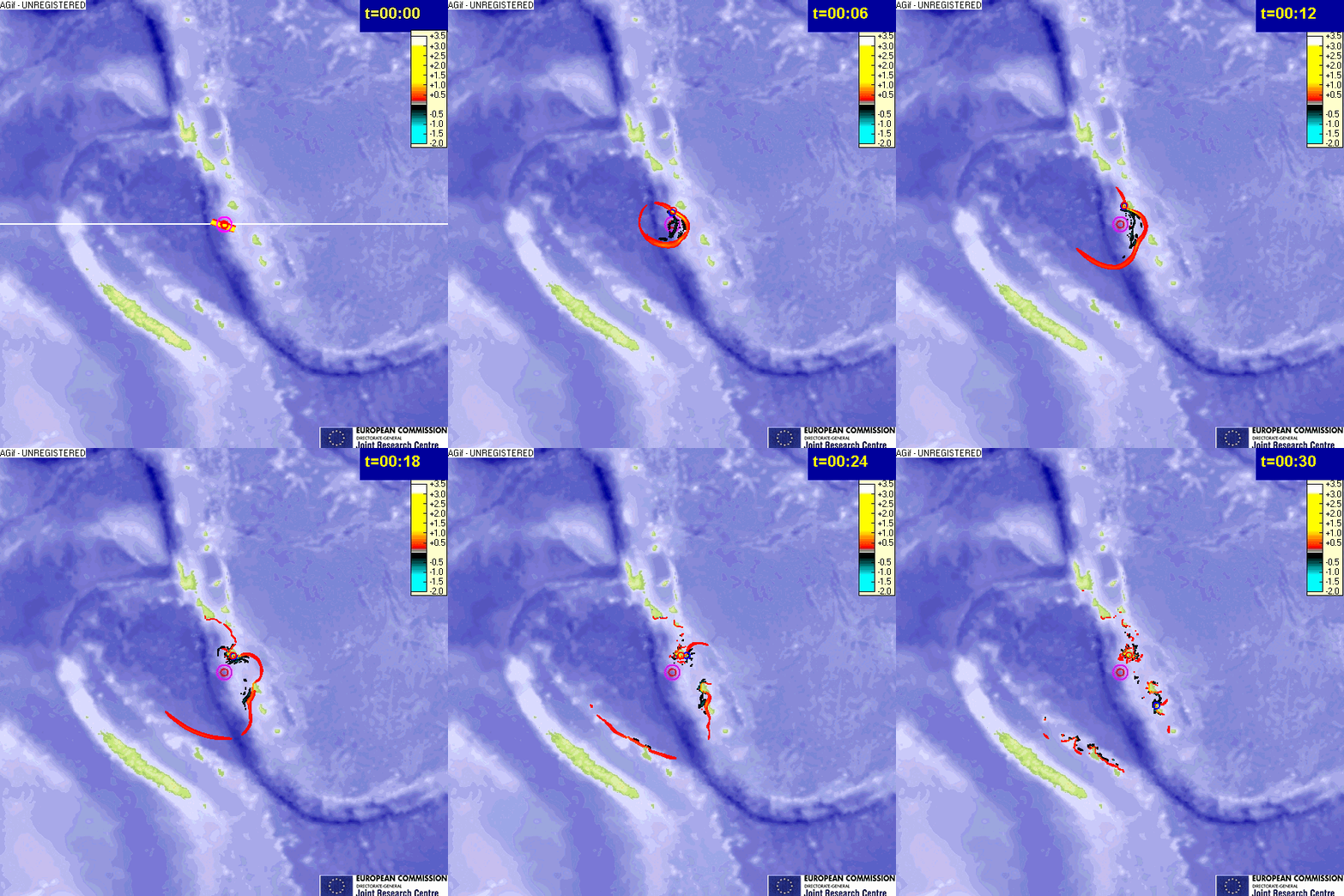
    A powerful magnitude 7.5  (7.1 downgrade USGS) earthquake struck off the Pacific island nation of Vanuatu, the U.S. Geological Survey reported. The earthquake, which struck at 3:55 a.m. local time on Sunday (12:55 p.m. EDT on Saturday), was centered 63 km (39 miles)

  • Scientists claim that Earth is not expanding

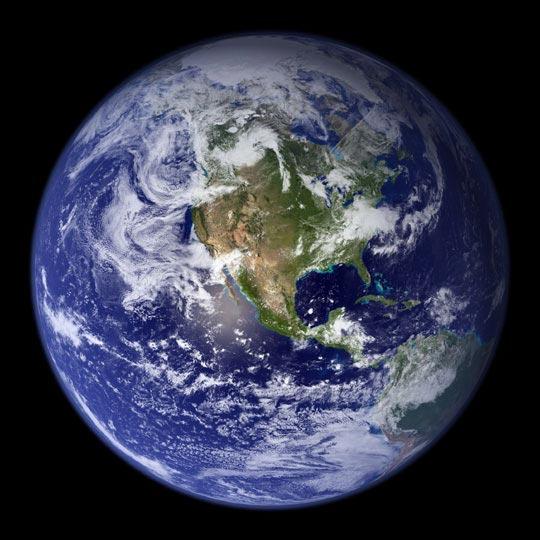
    Since Darwin’s time, scientists have speculated the planet might be expanding or contracting. Even with the acceptance of plate tectonics half a century ago, which explained the large-scale motions of Earth’s outermost shell, the accusations persisted; some Earth and

  • Excessive radioactive cesium found in Fukushima fish

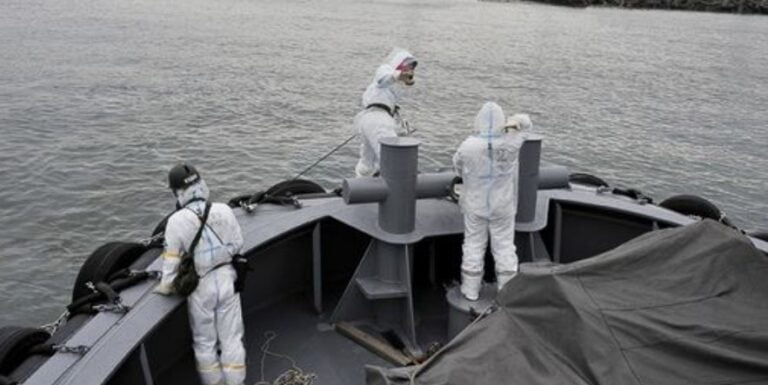
    Fish caught at a port about 55 kilometers from the crippled Fukushima Daiichi nuclear power plant contained radioactive cesium at levels exceeding an allowable limit, the environmental group Greenpeace said Tuesday.The samples taken at Onahama port in Iwaki, Fukushima

  • Japan tsunami broke huge icebergs off Antarctica

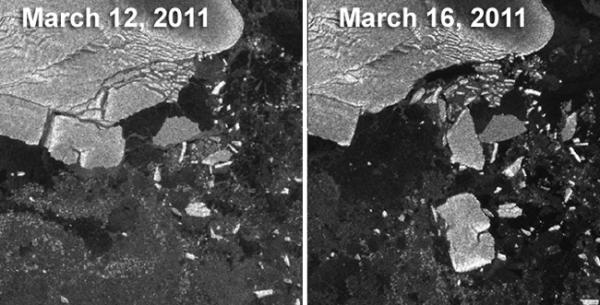
    The massive March 11 Japan earthquake and its ensuing tsunami were so powerful that they broke off huge icebergs thousands of miles away in Antarctica, according to a new study.The calving of icebergs (where a huge chunk of ice breaks off from a glacier or ice shelf)

  • The First True View of Global Erosion

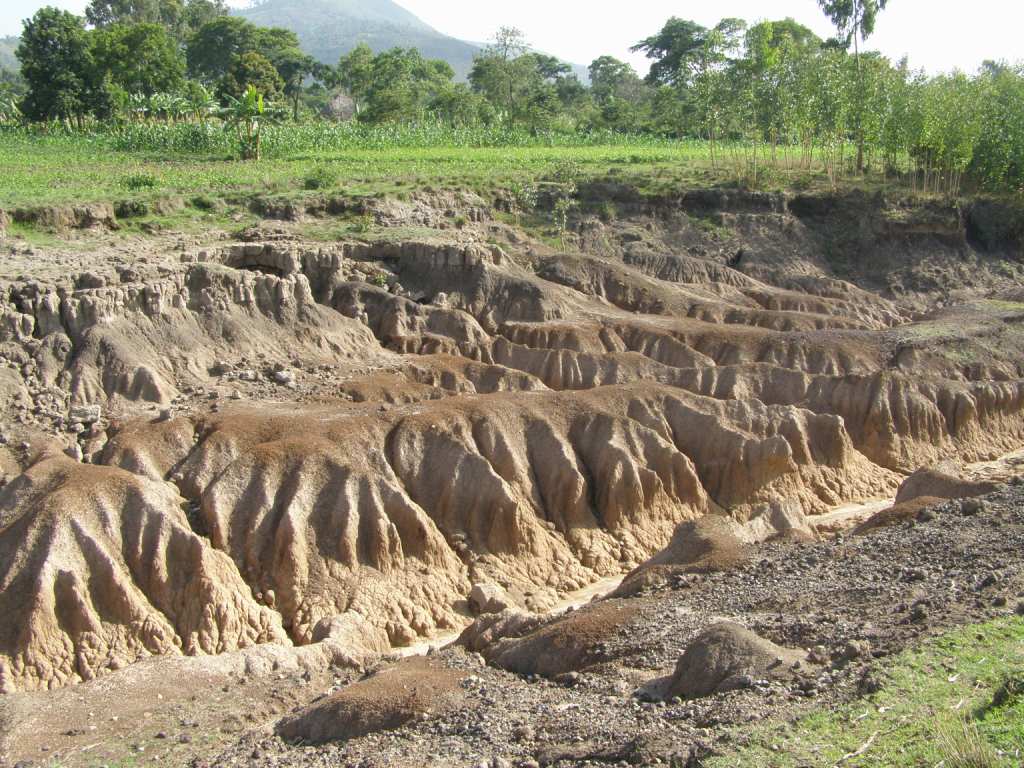
    Geologist Paul Bierman from University of Vermont and his graduate student, Eric Portenga, have taken twenty years worth of this disparate data, compiled 1599 measurements from eighty-seven sites around the world, and recalculated it with a single, up-to-date method.