• NOAA reports 2024 ‘dead zone’ in Gulf of Mexico larger than average

    The Gulf of Mexico’s “dead zone,” an area with dangerously low oxygen levels, spans approximately 17 365 km2 (6 705 miles2) this year, making it the 12th largest recorded in 38 years, according to NOAA-supported scientists. This expanse threatens over 1.6 million ha (4 million acres) of marine habitat, an area comparable to the size of New Jersey.

  • Study maps 466 submarine volcanoes in Southeast Asia and surrounding regions

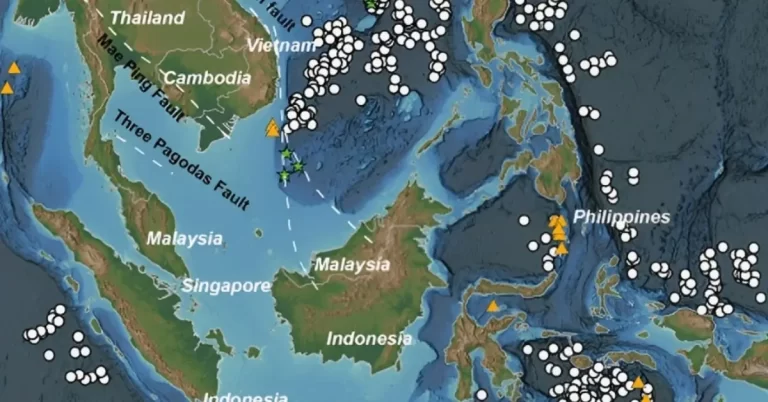
    Recent research from the Earth Observatory of Singapore (EOS) at Nanyang Technological University (NTU) has indicated that Singapore, which was previously thought to be safe, may be vulnerable to volcanic eruptions and tsunamis. The study, published in EGU’s Natural Hazards and Earth System Sciences in April 2024, discovered 466 submarine volcanoes in the region, emphasizing the potential threats posed by submerged seamounts in the South China Sea.

  • Intense, long-duration heatwave affecting SE Europe

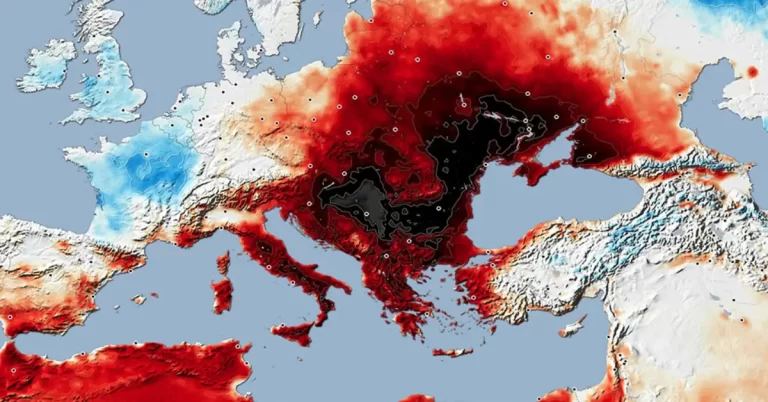
    Southern and eastern Europe have endured a prolonged heatwave since early July, with temperatures forecast to remain high for at least another two weeks. The most intense heat was felt across the Balkan Peninsula and eastern Europe, where daily temperatures exceeded 40 °C (104 °F) in many areas. The Mediterranean Sea has also seen unprecedented warmth, with water temperatures reaching 30 °C (86 °F) in some areas.

  • CSU increases forecast, hurricanes like Beryl associated with hyperactive seasons

    Colorado State University (CSU) hurricane specialists have increased their 2024 forecast on July 9 and continue to call for an extremely active season. They anticipate 25 named storms, and 12 hurricanes, of which 6 are expected to be major. They also estimate the probability of at least one major hurricane making landfall along the continental U.S. coastline to be 57%.