• Two new tropical disturbances formed in Indian Ocean

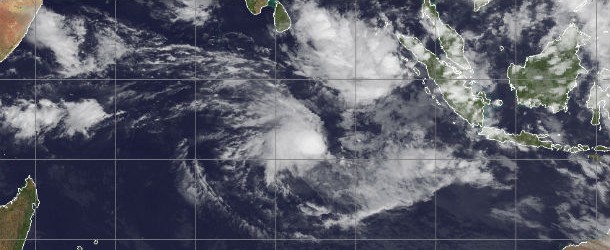
    New tropical depression (System 94S) formed on May 8, 2013 and is about to become next tropical cyclone in  Southern Indian Ocean – Tropical Cyclone 24S.  The system is packing maximum sustained winds near 40 knots (46 mph/74 kmh) with gusts

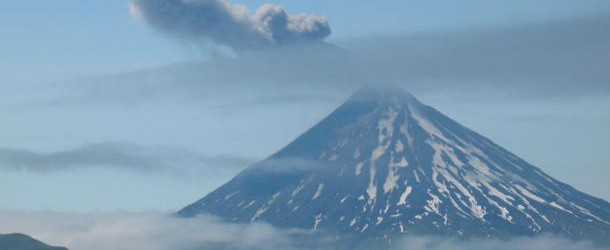
  • Low-level eruption at Cleveland volcano continues

    According to latest activity report by Alaska Volcano Observatory (AVO), low-level eruption at Cleveland volcano continues. New explosions were detected at 07:23 UTC and 16:00 UTC on May 6, 2013 by the Okmok network, 120 km (80 mi) to the northeast. Overall

  • Active volcanoes in the world: May 1 – May 7, 2013

    This week, 5 volcanoes had new activity, whereas ongoing activity was reported for 11 volcanoes. This report covers active volcanoes in the world recorded from May 1 – May 7, 2013 based on Smithsonian/USGS criteria.

    New

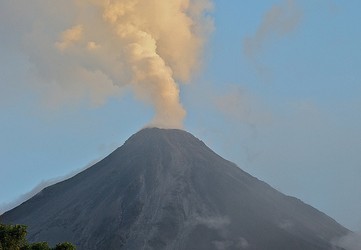
  • Deadly ash eruption at Mayon volcano in Philippines

    Philippine Institute of Volcanology and Seismology (PHIVOLCS) stated in the latest advisory report that Mayon volcano (13.2500°N, 123.6833°E) produced a small phreatic eruption early on May 7, 2013, which lasted 2 minutes 26 seconds. The agency stated that in

  • Massive tornadoes leave trail of destruction in Italy

    Several tornadoes have struck the Emilia-Romagna region in Italy on May 3, 2013. A strong and violent tornado hit Bentivoglio and Argelato villages, between Bologna and Modena in the afternoon local time, injuring 11 people and damaging several houses. Some houses

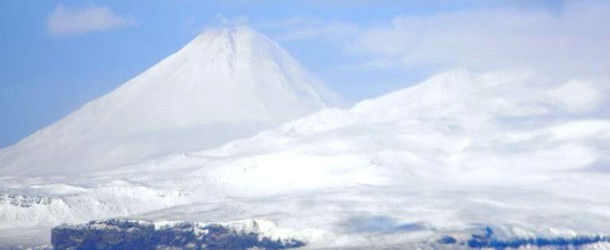
  • New activity at Mt. Cleveland volcano on Aleutian Islands

    Alaska Volcano Observatory (AVO) infrasound detected 2-3 possible explosion at Cleveland Volcano early on May 4, 2013. The infrasound signals suggest that this was a relatively short duration, low-level explosion. A small, low-altitude ash cloud along with high

  • WMO dubbed last year as disturbing sign of climate change

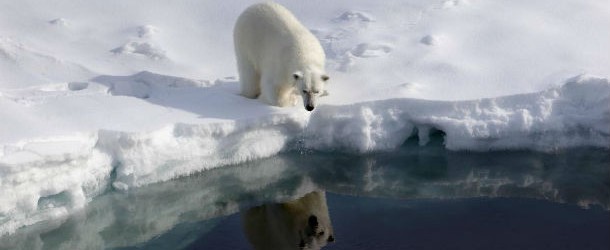
    The World Meteorological Organisation revealed in Statement on the Status of the Global Climate, that during the August to September 2012 melting season, the Arctic’s sea ice cover was just 3.4 million square kilometres (1.32 million square miles). That