• Strong M6.2 earthquake hits near Sand Point days after M7.3, Alaska

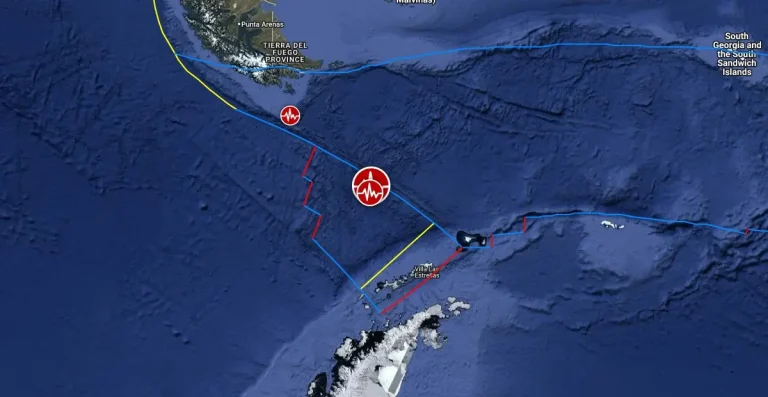
    A strong earthquake registered by the USGS as M6.2 hit south of Sand Point, Alaska at 22:28 UTC on July 20, 2025. The agency is reporting a depth of 47.3 km (29 miles). EMSC is reporting the same magnitude and depth. The quake hit four days after powerful M7.3 struck the same region, triggering a Tsunami Warning.

  • Typhoon Wipha strikes southern China, Vietnam braces for landfall and flooding

    Typhoon Wipha made landfall near Taishan, southern China at 09:50 UTC (17:50 local time) on July 20, 2025, producing wind gusts up to 167 km/h (104 mph), torrential rainfall, and widespread transport disruption across Hong Kong and Guangdong. Now a strong tropical storm, Wipha is forecast to re-emerge over the Gulf of Tonkin and make a second landfall in northern Vietnam late on July 22.

  • At least 14 dead and thousands displaced after heavy monsoon rains in South Korea

    Torrential rains between July 16 and 20, 2025, caused widespread flooding and landslides across central and southern South Korea, killing at least 14 people, displacing thousands, and damaging key infrastructure. Some regions recorded nearly 800 mm (31.5 inches) of rain in less than five days, with hourly rainfall rates exceeding 115 mm (4.5 inches), prompting the highest-level landslide and flood alerts nationwide.

  • Extended period of extreme heat risks for central, southeast, and southwestern U.S.

    A dangerous and long-duration heat wave is forecast to affect large portions of the central and eastern United States from July 20 through August 1, 2025, beginning in the Southeast this weekend and expanding into the Mid-South, Mississippi Valley, and Midwest early next week. NOAA’s Climate Prediction Center has issued a high confidence outlook for extreme heat, with daily maximum heat index values exceeding 38°C (100°F) and limited overnight cooling.