The Watchers team and our contributors bring the latest on extreme weather, earthquakes, volcanic eruptions, space weather, and all things science. We're all about making sense of the natural world and keeping you informed on what’s happening. Got a tip or a question? Hit us up using the form at newstips!

  • Tsunami study challenges long-held formation theory

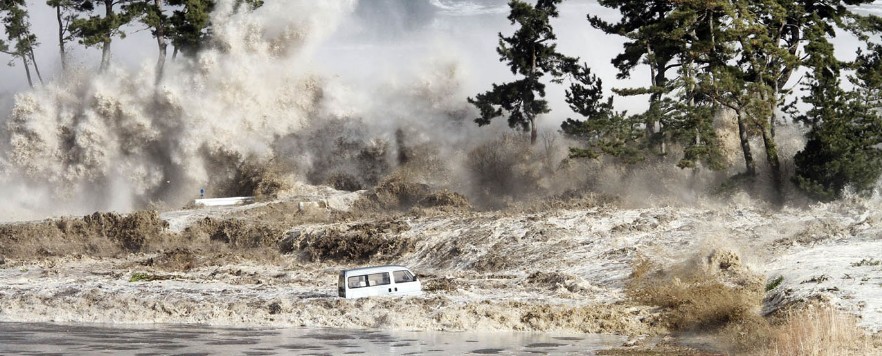
    A new NASA study is challenging a long-held theory that tsunamis form and acquire their energy mostly from vertical movement of the seafloor. The study shows that horizontal seafloor movement also creates energy for tsunamis and further validates a GPS-based…

  • New model could help predict major earthquakes

    A Nagoya University-led team reveals the mechanisms behind different earthquakes at a plate boundary on the west coast of South America, shedding light on historical seismic events and potentially aiding prediction of the future risk from these natural disasters….

  • New insights into how eruptions occur on the Sun

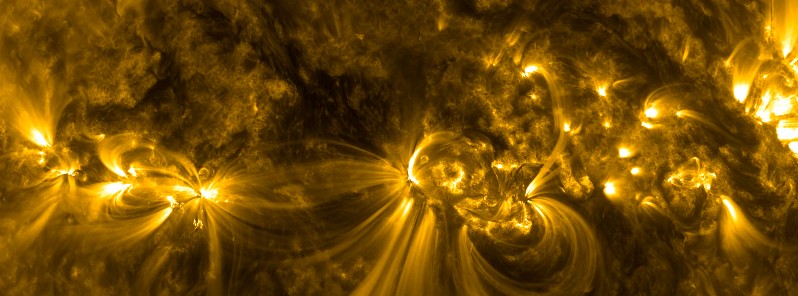
    Scientists have gained new insights into how eruptions occur on the Sun and, through 3-D computer simulation, identified a universal process that explains eruptions of every size, from tapered jets to massive explosions of solar material and energy. In a new study…

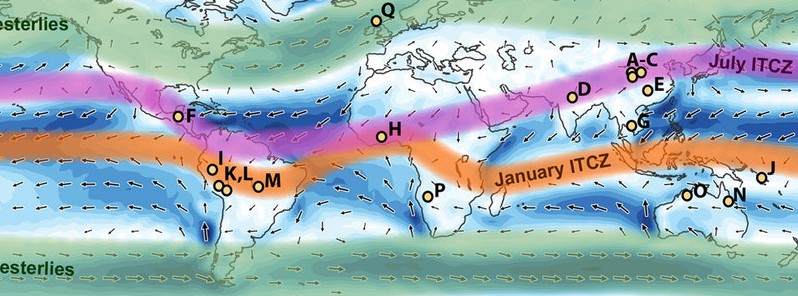
  • How Little Ice Age displaced the tropical rain belt

    In the most comprehensive reconstruction of rainfall patterns within the Intertropical Convergence Zone for the past 2000 years, a team of researchers led by ETH Zurich describe how even small changes in global temperature can trigger a migration of the tropical…

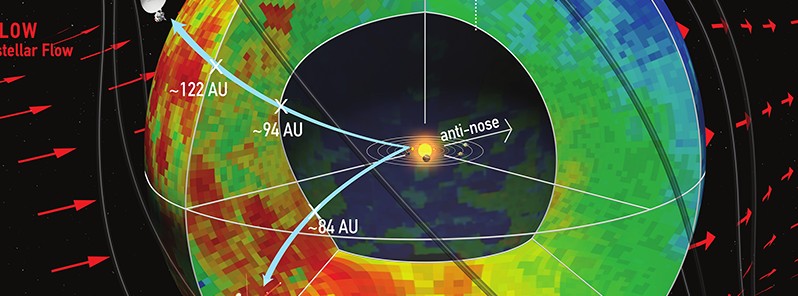
  • New data show heliosphere is nearly round and symmetrical

    New data covering an entire 11-year solar activity cycle suggest that Sun and planets in our solar system are surrounded by a giant, spherical system of magnetic field from the Sun, calling into question the current view of the solar magnetic fields trailing behind…

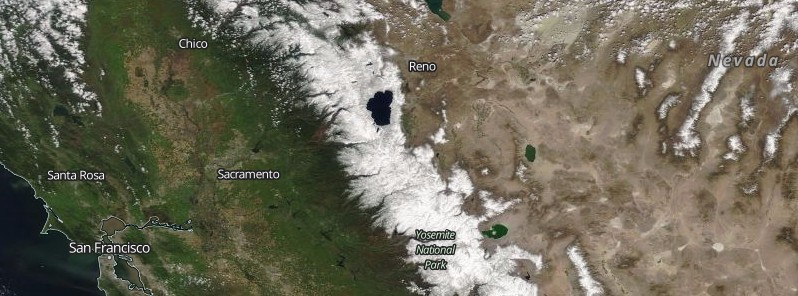
  • From drought to deluge, preparing for weeks of Katrina-style flooding

    California has spectacularly emerged from one of its driest periods on record and ended its five-year drought by enduring one of its wettest periods on record. Its reservoirs, lakes, and mountainsides are now brimming with water and snow, though scientists caution…

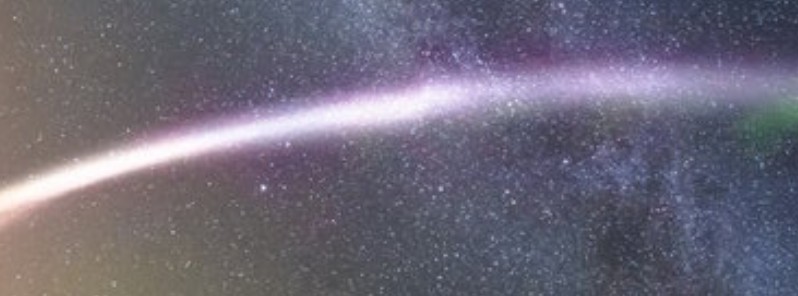
  • New phenomenon discovered in the night sky

    A new phenomenon seen as a giant purple streak of light in the night sky has been recently discovered and, for lack of a better word, named Steve. Steve was discovered thanks to scientists, citizen scientists, ground-based imagers and ESA's magnetic field Swarm…

  • Significant sea surface temperature events in 2016 explained

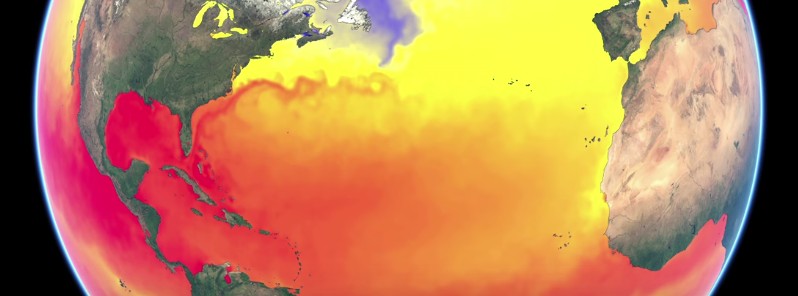
    Anne O'Carroll, Remote Sensing Scientist at EUMETSAT, talks us through this mesmerizing animation describing a year of sea surface temperature (SST) in 2016. The animation combines satellite data from both the geostationary ring of satellites and polar orbiting…

  • Scientific evidence of a ‘higher’ state of consciousness found

    Authors of a new study led by the University of Sussex claim they have found scientific evidence of a 'higher' state of consciousness. Neuroscientists observed a sustained increase in neural signal diversity – a measure of the complexity of brain activity -…

  • Slims River disappears in 4 days as glacier retreats

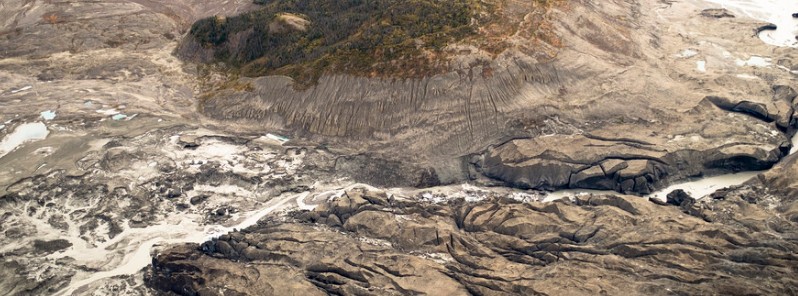
    A retreat of the massive Kaskawulsh Glacier in northern Canada has caused the Slims River to change its course and join the Kaskawulsh River on its way toward to the Gulf of Alaska. It is the first known case of what is known as 'river piracy' in modern…