The Watchers team and our contributors bring the latest on extreme weather, earthquakes, volcanic eruptions, space weather, and all things science. We're all about making sense of the natural world and keeping you informed on what’s happening. Got a tip or a question? Hit us up using the form at newstips!

  • Planetary scientists predict Earth-like planets around most stars

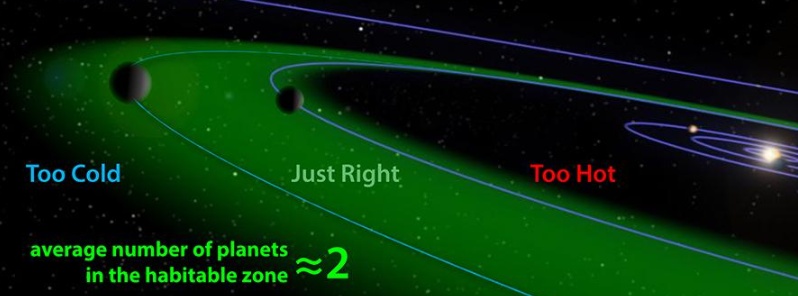
    Planetary scientists have calculated that there are hundreds of billions of Earth-like planets in our galaxy which might support life. The new research, led by PhD student Tim Bovaird and Associate Professor Charley Lineweaver from The Australian National University (AN
  • A view from the other side of the Moon

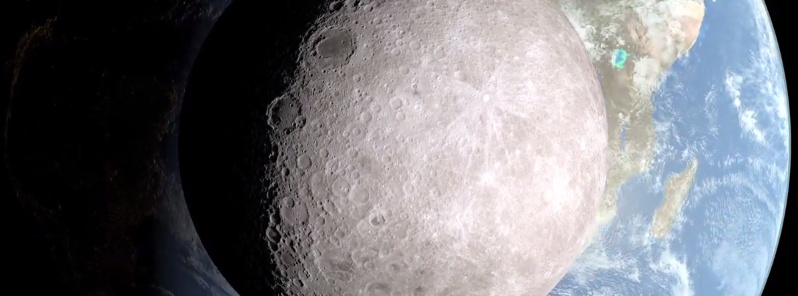
    A number of people who've seen NASA's annual lunar phase and libration videos have asked what the other side of the Moon looks like, the side that can't be seen from the Earth. This video answers that question.The imagery was created using Lunar Reconnaissan

  • Landslide closes a major highway in Norway

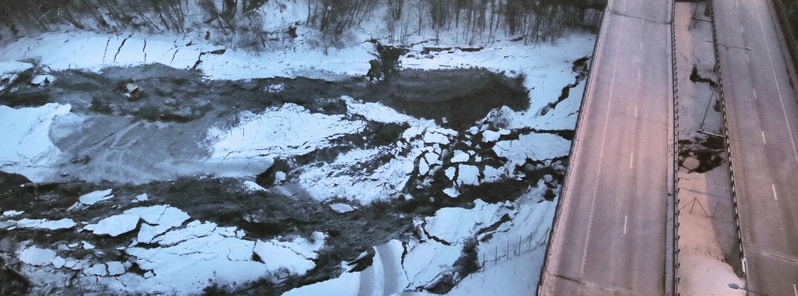
    One of the bridges that make up the new four-lane E18 highway through Vestfold, Norway collapsed on Monday afternoon, February 2, 2015. The collapse left around 45 motorists waiting to be evacuated and the highway, which just opened a few years ago, was immediately clos

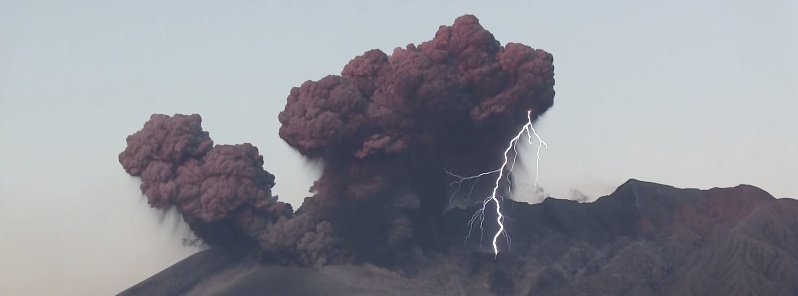
  • Most beautiful volcanic eruption – Sakurajima, Japan

    Video below was captured by meteorologist Robert Speta of the WestPacWx during the early morning hours of February 3, 2015. Sunrise provided a reddish tint in the ash.Notice lightning at 0:18 min. Video courtesy of WestPacWxTokyo VAAC reports an explosion at 06:55 UTC t

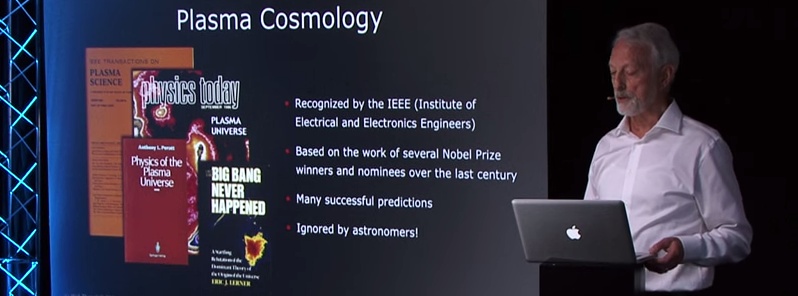
  • Wal Thornhill: An electric cosmology for the 21st century

    This talk by Wal Thornhill at the EU Workshop November 14-16, 2014 offers a compendium of the things that scientifically curious people need to know in order to see the electric force in its dynamic role from microcosm to macrocosm.See Wal’s first workshop present

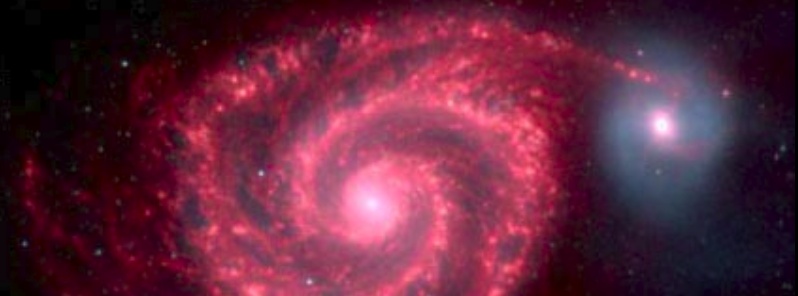
  • An infrared atlas of interacting galaxies

    Most galaxies, including our own Milky Way, have been influenced by an interaction with another galaxy at some time in their past. Interactions between galaxies can trigger an increase in star-formation activity as well an increased level of activity around the nuclear

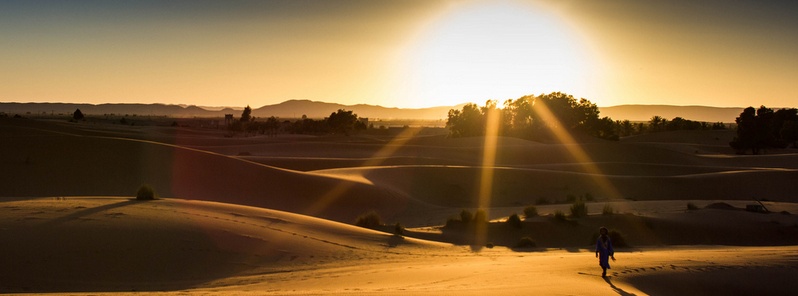
  • Insight into behavior of African monsoon

    Between 14 800 and 5 500 years ago, during a period known as the "African Humid Period", Sahara was characterized by lush, green vegetation and a network of lakes, rivers and deltas. Why and how it ended is the subject of scientific study that holds important

  • Galactic ‘hailstorm’ in the early Universe

    Astronomers have been able to peer back to the young Universe to determine how quasars – powered by supermassive black holes with the mass of a billion suns – form and shape the evolution of galaxies. Two teams of astronomers led by researchers at the

  • M-TeX and MIST experiments launched into auroras

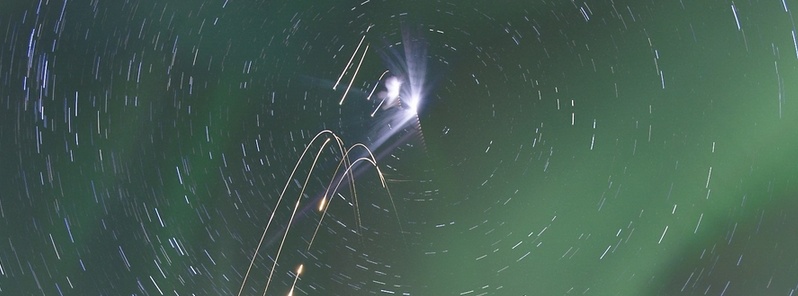
    The interaction of solar winds and Earth’s atmosphere produces northern lights, but to scientists this interaction is more than a light display. It produces many questions about the role it plays in Earth’s meteorological processes and the impact on the plan