The Watchers team and our contributors bring the latest on extreme weather, earthquakes, volcanic eruptions, space weather, and all things science. We're all about making sense of the natural world and keeping you informed on what’s happening. Got a tip or a question? Hit us up using the form at newstips!

  • Finland records coldest January temperature since 2006

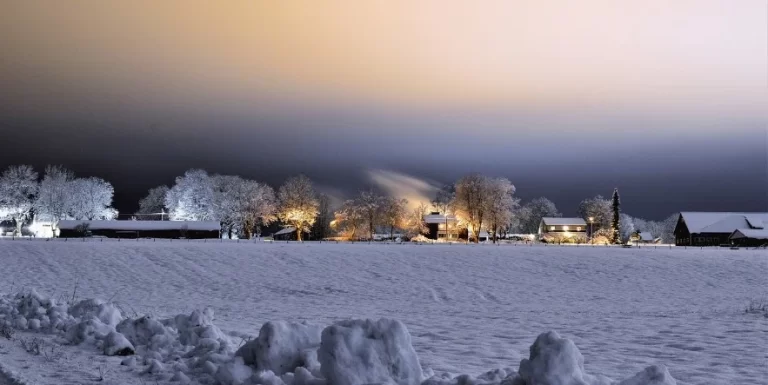
    Finland experienced its coldest January temperature since 2006 when Enontekiö Airport registered -42.4 °C (-44.3 °F) on January 4, 2024. The severe cold is not isolated to Finland, as nearby regions in Sweden and Norway have also reported record-low temperatures, indicating a widespread Arctic chill across the Nordic countries.
  • Increased rock fracturing at Colombia’s Nevado del Ruiz volcano

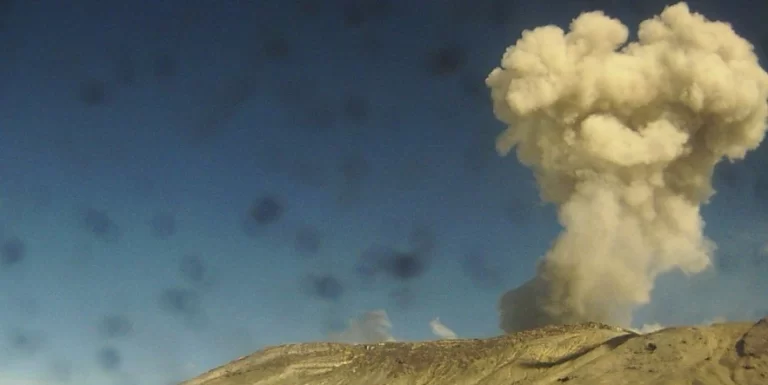
    A notable increase in seismic activity associated with rock fracturing started at Colombia’s Nevado del Ruiz volcano on January 3, 2024. The alert status remains at Yellow, indicating unstable behavior and potential for quick escalation. This volcano is known for producing the deadliest lahar in history.

  • Snowstorm paralyzes southern Norway, leaving thousands without power

    Thousands of Norwegians have been trapped in snowdrifts across the southern part of the country, leading to widespread transport disruptions and power outages. State meteorologists have warned of continued heavy snow and strong winds, as municipalities scramble to manage the crisis, closing schools and deploying emergency services.

  • Potent storm threatens U.S. with widespread winter hazards

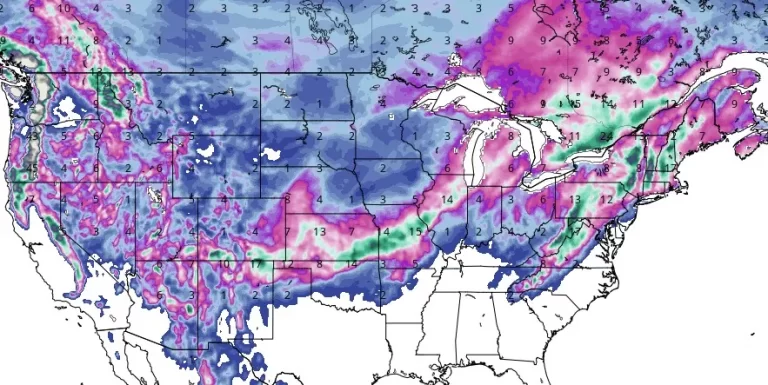
    A powerful storm is anticipated to strike the eastern U.S. early next week, posing a range of winter weather impacts including snow, flooding rain and damaging wind. The storm will form in the Rockies on Monday, intensify over the Plains, and peak from the Southeast to the Great Lakes and Northeast by mid-week.

  • Sweden records lowest January temperature since 1999

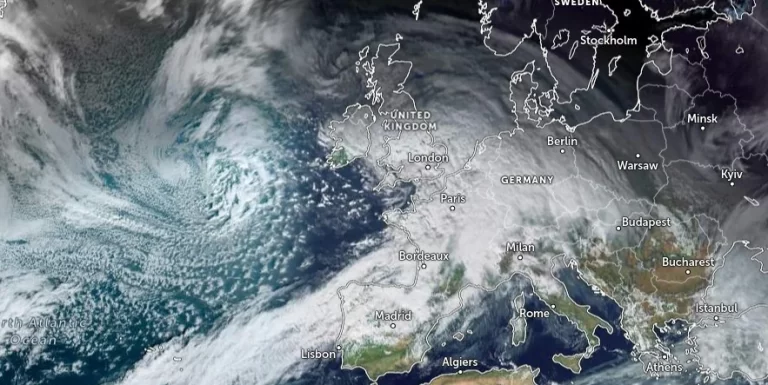
    A severe cold snap has gripped the Nordic region, with Sweden experiencing its coldest January night in 25 years. This extreme weather has caused widespread disruption across Scandinavia, closing schools and halting transport, while Storm Henk brought heavy rain and strong winds to Western Europe, leading to one fatality and widespread damage.

  • Storm Henk wreaks havoc across UK, leaving one dead and thousands without power

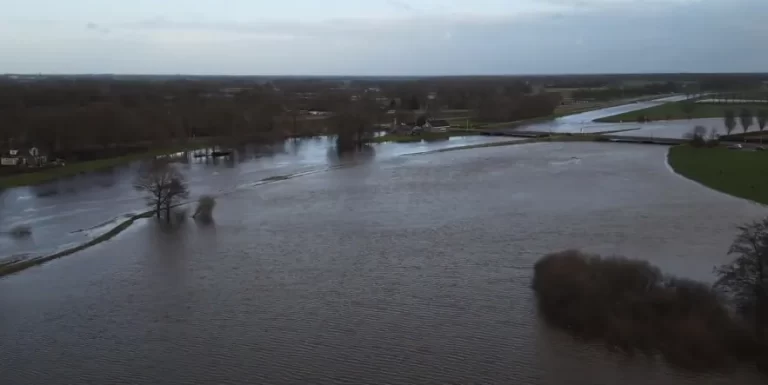
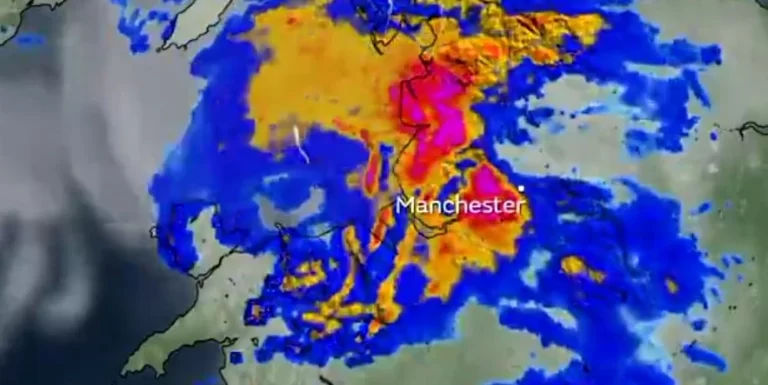
    Storm Henk hit parts of the United Kingdom on January 2 and 3, 2024, leaving at least one person dead and another injured. The storm brought winds of up to 150 km/ (94 mph) and heavy rain, closing several major roads and train lines, and leaving as many as 10000 homes without power. Hundreds of flood warnings are in place across England, Scotland and Wales.

  • Destructive M7.6 earthquake in Japan results in at least 222 fatalities, 1.2 m (4 feet) tsunami waves, and a land shift of up to 3 m (10 feet)

    A powerful M7.6 earthquake struck Ishikawa Prefecture, Japan, at 07:10 UTC (16:10 local time) on January 1, 2024, leaving extensive damage, at least 126 fatalities, and prompting a massive rescue effort. The quake led to tsunami waves of more than 120 cm (3.9 feet) and significant crustal changes, with up to 3 m (10 feet) of displacement in some areas. The region faces ongoing aftershocks and difficult rescue conditions.