I am an Assistant Editor and Severe Weather & Science Journalist at The Watchers, specializing in real-time severe weather coverage, geophysical event reporting, and research-driven scientific analysis. You can reach me at rishav(at)watchers(.)news.

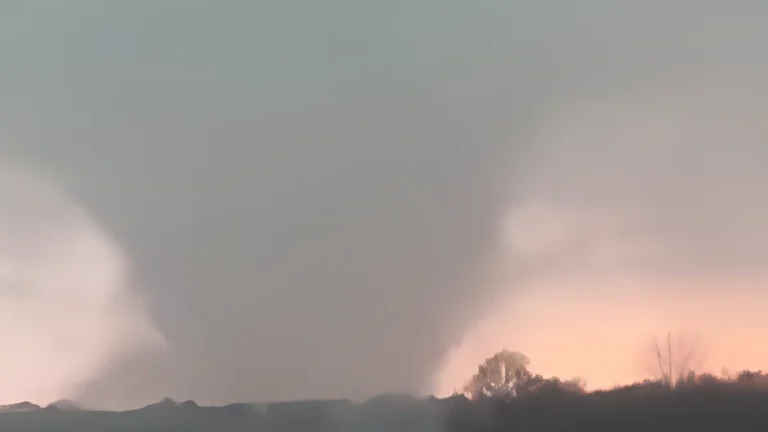
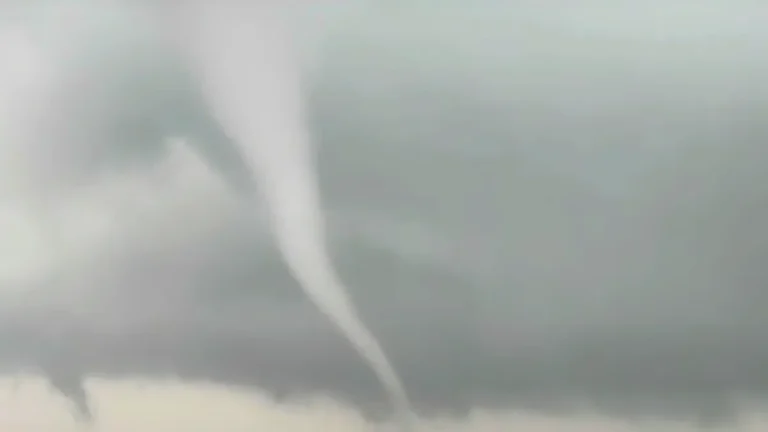
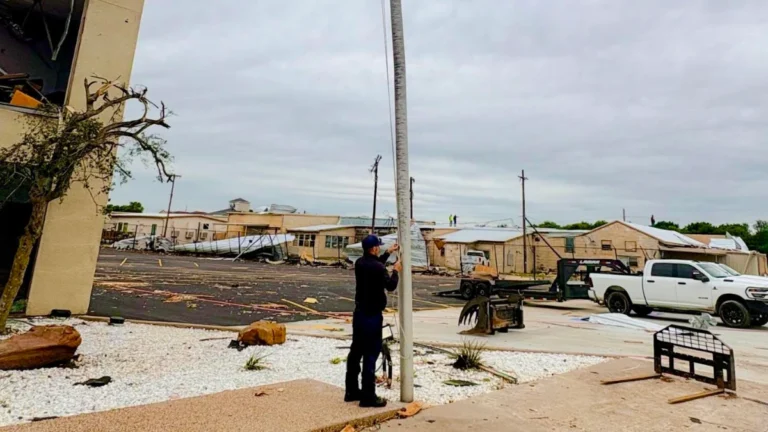
  • NWS rates Mineral Wells tornado EF3 after severe storms in Texas

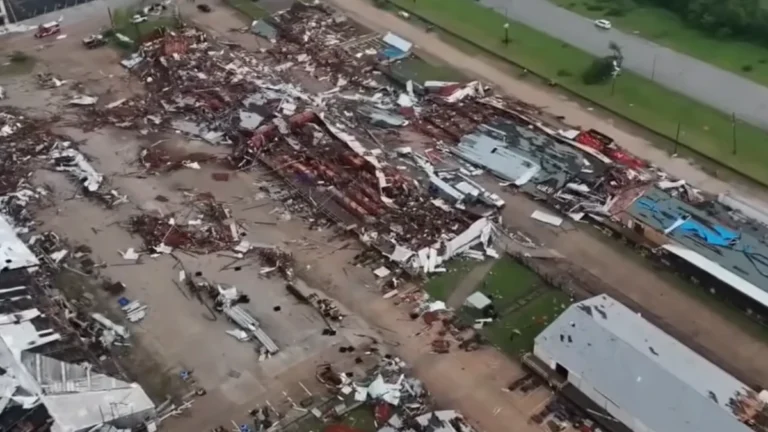
    The National Weather Service preliminarily rated the Mineral Wells tornado in Texas as EF3, with estimated peak winds of 233 km/h (145 mph), after surveying damage from the April 28, 2026, severe weather event. NWS listed 5 injuries and 0 fatalities, while Mineral Wells officials kept a curfew in place for the affected area as cleanup and damage assessment continued.
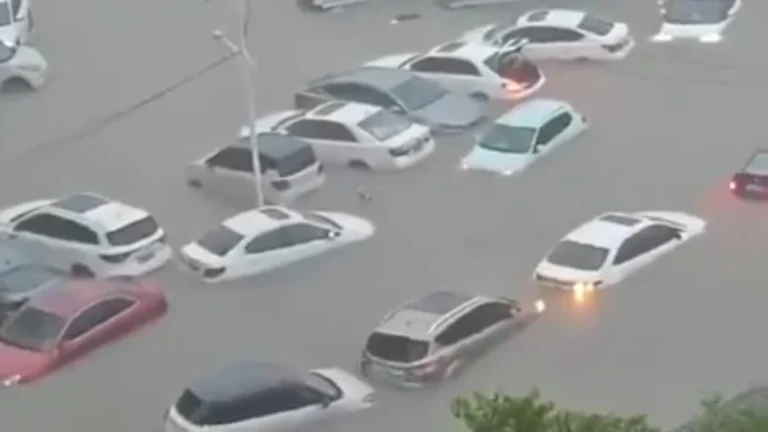
  • Extreme April rainfall floods Qinzhou after 538 mm (21.1 inches) in 12 hours, China

    Torrential rainfall inundated urban districts in Qinzhou, Guangxi, southern China, on April 27, 2026, forcing more than 200 residents to evacuate after streets turned into fast-moving channels and floodwaters spread into residential areas. A reported 538 mm (21.1 inches) of rain fell in 12 hours across Qinzhou and Beihai, with peak 1-hour rainfall reaching 147.7 mm (5.8 inches).

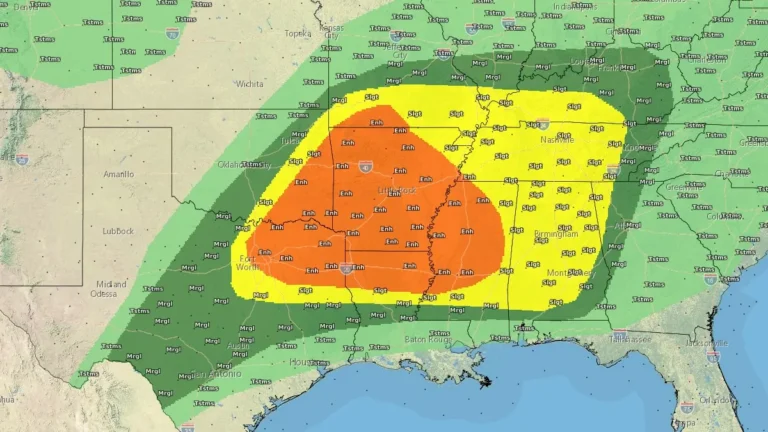
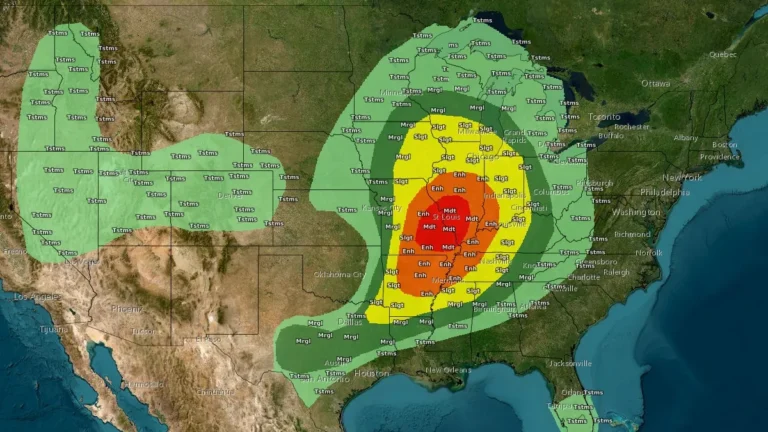
  • Enhanced Risk of severe thunderstorms issued for northern Texas into lower Mississippi Valley

    Severe thunderstorms and heavy rainfall are forecast across parts of northern Texas into the lower Mississippi and Tennessee Valleys on April 28, 2026, with an Enhanced Risk issued for parts of the region. Very large hail, damaging winds, and a few tornadoes are to be expected, while repeated storm activity may increase the risk of flash flooding.

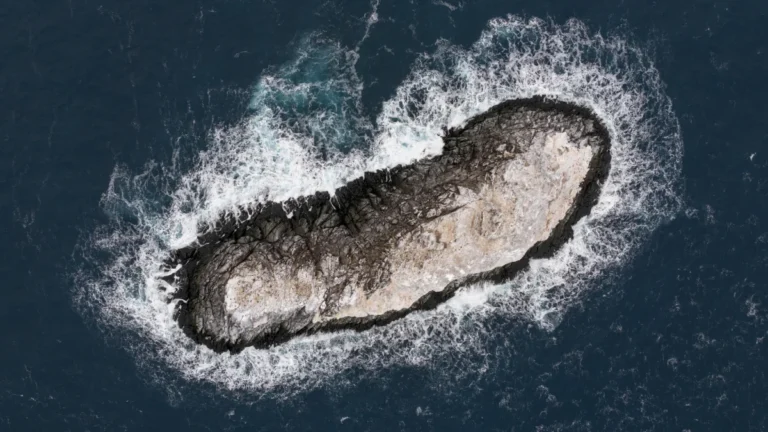
  • Previously unmapped island discovered in Antarctica’s Weddell Sea

    Scientists aboard the RV Polarstern discovered and surveyed a previously unmapped island in the Weddell Sea, Antarctica, during a February 2026 expedition, confirming a rocky landmass about 130 m (426 ft) long that had previously appeared only as an undefined danger zone on nautical charts.

  • Heat waves and cold waves increase risk of heart attacks and other cardiovascular issues

    A study of more than 8 million people found that heat waves trigger immediate increases in cardiovascular events, while cold waves produce delayed effects over several days. The analysis, covering 2011 to 2020, recorded significant increases in cardiovascular deaths and major adverse events under both temperature extremes.