• Asteroid 2013 ET to make close approach on March 9, 2013

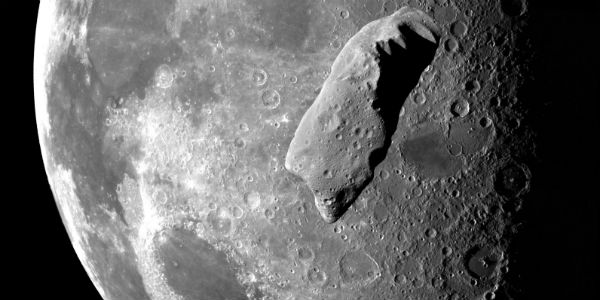
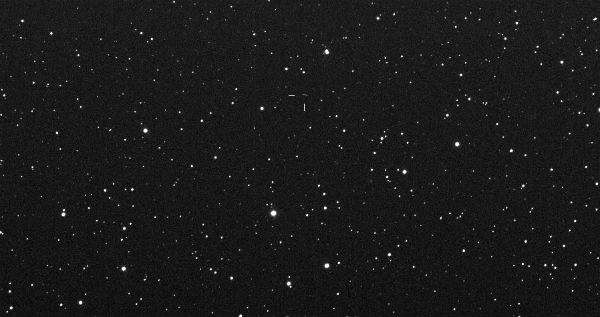
    A newly discovered Asteroid 2013 ET is making a close flyby, just days after another space rock made an even closer approach to our planet. The Catalina Sky Survey discovered Asteroid 2013 ET on March 3, 2013. and estimated its size at around 100 meters (64 meters…
  • Popocatepetl volcano in Mexico entered into strong eruptive phase

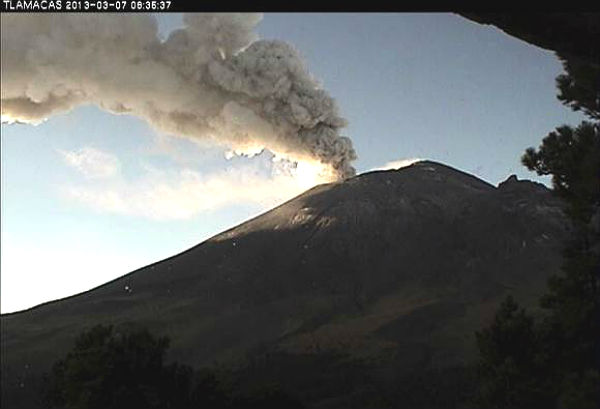
    Popocatepetl volcano in Mexico experienced strongest eruption after some time on March 7, 2013.  The volcano has been showing signs of activity since February 2013, and according to reports is now entering a new phase of increased activity. A sequence of exhalations

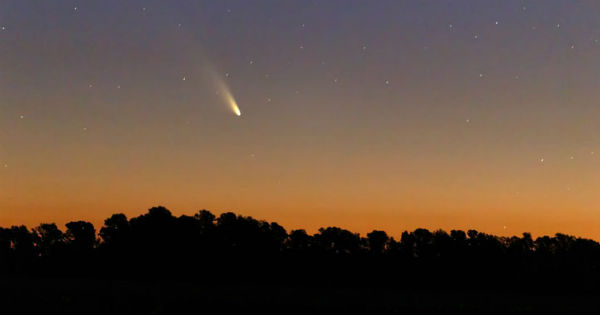
  • Comet Pan-STARRS (C/2011 L4) now visible with naked eye

    Comet Pan-STARRS has been brightening steadily for the past few months. By now Comet Pan-STARRS (C/2011 L4) became a naked-eye object while it makes its closest approach to the Sun, inside the orbit of Mercury. It is now closer to the Sun than Venus. At

  • Ancient micro-continent found under the Indian Ocean

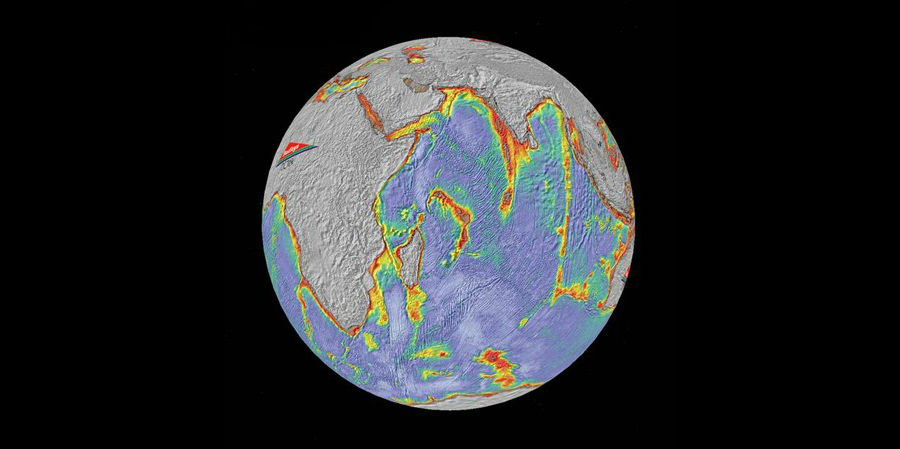
    Scientists at the University of Liverpool have found evidence of an ancient micro-continent buried beneath the Indian Ocean which formed in the last 16 millions years. This ancient precambrian continent, named Mauritia, extends more than 1500 km in length from the

  • Stunning views of Venus through Saturn’s rings

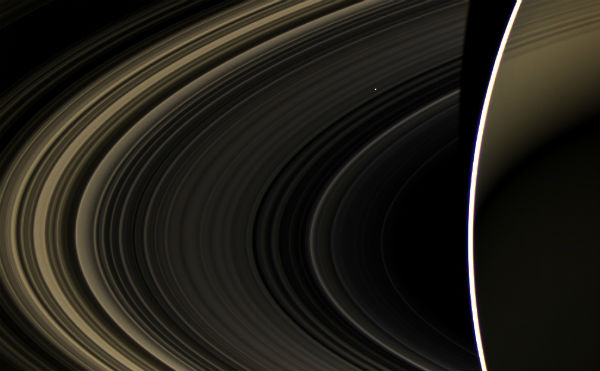
    The international Cassini spacecraft took amazing images of Venus shining through Saturn’s rings. Venus and Saturn are about 1,321,200,000 km (820,955,619 miles or 8.83 astronomical units) apart on average. Venus is brighter in Saturn’s skies than Earth is,

  • SDO’s 2013 solar spring eclipse season has begun

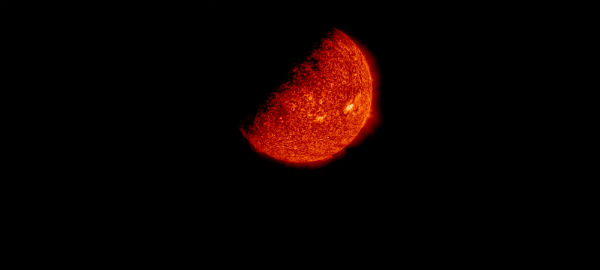
    NASA’s Solar Dynamics Observatory (SDO) has eclipse seasons twice a year near each equinox. Earth passes directly between the Sun and produces a series of eclipses from the point of view of the spacecraft.The first eclipse of the SDO Spring 2013 Eclipse Season

  • What’s Up for March 2013

    The first of this year’s two potential bright comets is visible for those who can see low on the western horizon and find out which spacecraft is on a 10-year mission to catch up with another comet.Credit: JPL

  • New tropical cyclone formed southeast of Cocos Island, Australia

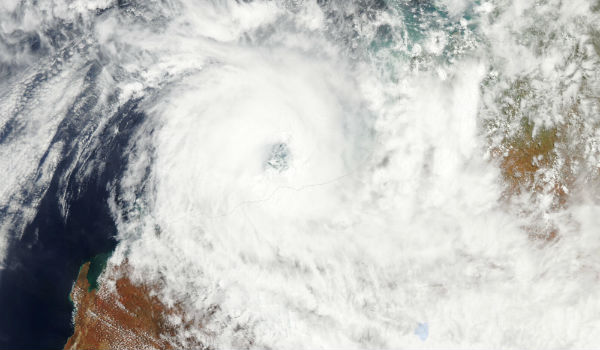
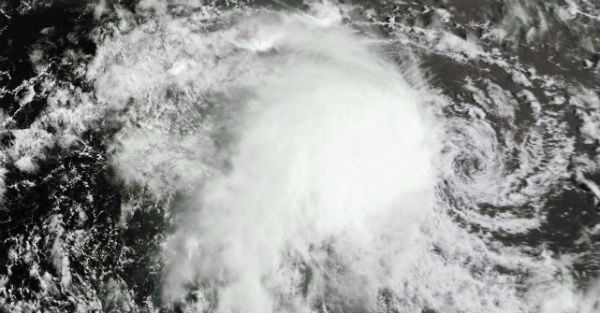
    Tropical Cyclone Eighteen (18S), located approximately 120 nm southeast of Cocos Island, Australia, has tracked south-southeastward at 06 knots over the past six hours. Animated multispectral satellite imagery depicts an exposed but well-defined low-level circulation