• 5.4 magnitude earthquake struck in Norwegian Sea

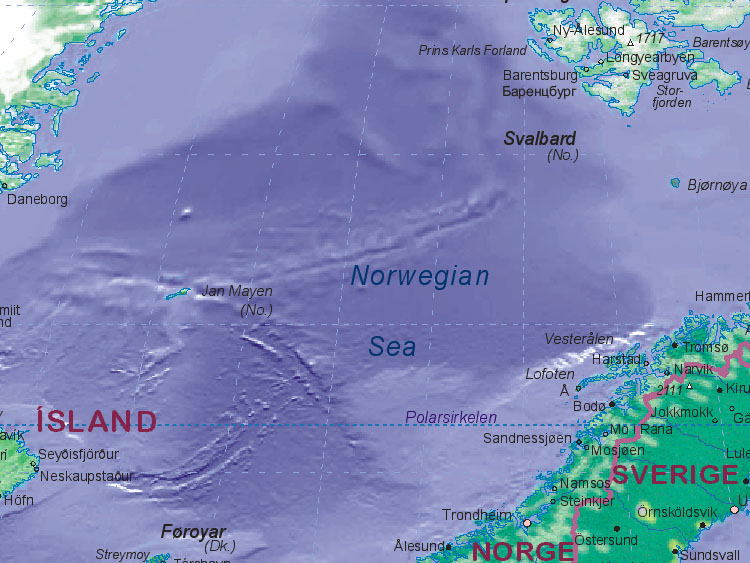
    Moderate  earthquake struck in Norwegian Sea today, August 24, 2011 at 08:08:16 UTC. According to USGS magnitude 5.4 occur at epicenter 643 km (399 miles) NW of Tromso, 721 km (448 miles) NNW of Bodo, 736 km (457 miles) WNW of Hammerfest, Norway with depth of 11.1 km
  • Dust and pollution rise before the monsoon

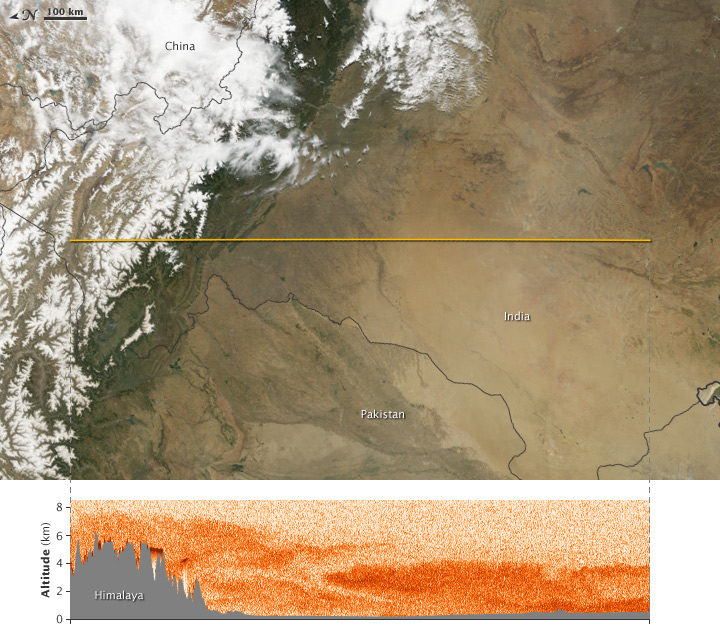
    In the days and weeks before the monsoon, heat builds over India. Hot air rises over the baked earth and westerly winds rush in to fill the void, bringing dust-laden air from the deserts of southwest Asia and the Arabian Peninsula. Through April, May, and June, as

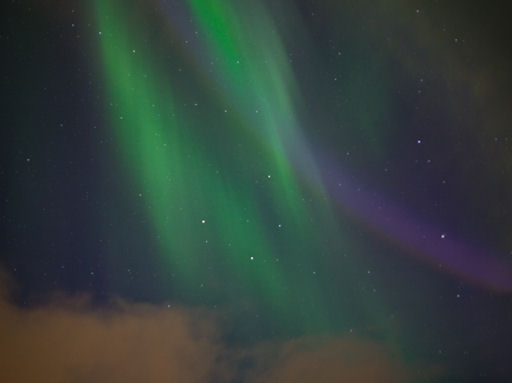
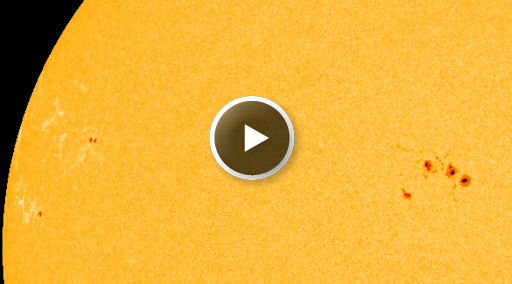
  • A solar wind stream hit Earth’s magnetic field

    A solar wind stream hit Earth's magnetic field during the early hours of August 24th, sparking geomagnetic activity around the Arctic Circle. "Bright, fast-moving auroras lit up the sky just after midnight," reports Sean M. Scully, who sends this picture f

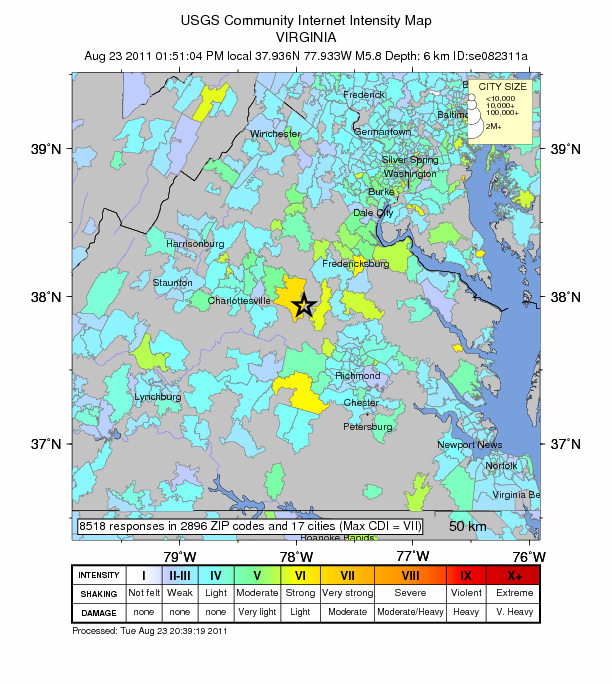
  • Dangerous 5.8 magnitude earthquake rattles Virginia

    According to US Geological Survey shallow earthquake with epicentre on depth of 1km (initially it was measured at 6km) with magnitude of 5.9 (later downgraded to 5.8) rattles US East Coast, 8 km (5 miles) SSW (195°) from Mineral, 61 km (38 miles) NW (317°)

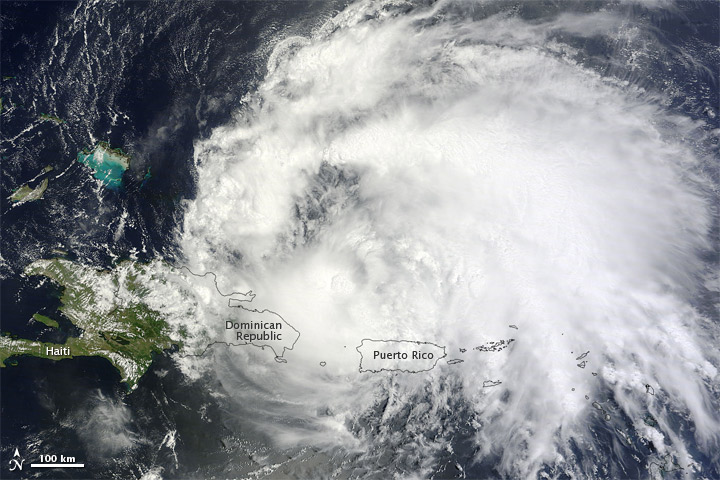
  • Irene could strengthen into a most dangerous hurricane in decade

    Irene is projected to become the strongest hurricane to hit the Carolinas since 1996 this weekend. Six years have passed since the entire United States endured a blow like Irene is forecast to unleash. The AccuWeather.com Hurricane Center is expecting Irene to blast

  • Iceberg PII-A splits in two off Newfoundland

    Over a year ago, on August 5, 2010, the Petermann Glacier on the northwestern coast of Greenland calved a very large ice island. About a month later, the ice island, estimated at that time as about four times the size of Manhattan, collided with an island and broke

  • Animals heading polewards in search of cooler temperatures

    New research by scientists in the Department of Biology at the University of York shows that species have responded to climate change up to three times faster than previously appreciated. These results are published in the latest issue of the leading scientific…