• World’s largest floating wind farms to power UK homes in few years

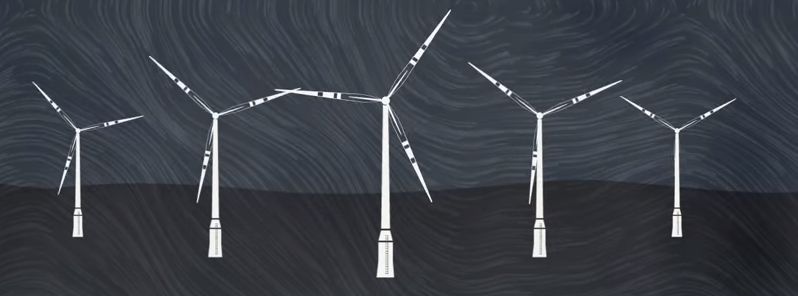
    The construction of the world's largest floating wind farm has been approved off the coast of Peterhead in Scotland, Scottish Government announced on November 2, 2015. The UK's first floating wind development, Hywind, will be built about 25 km (15.5 miles)…
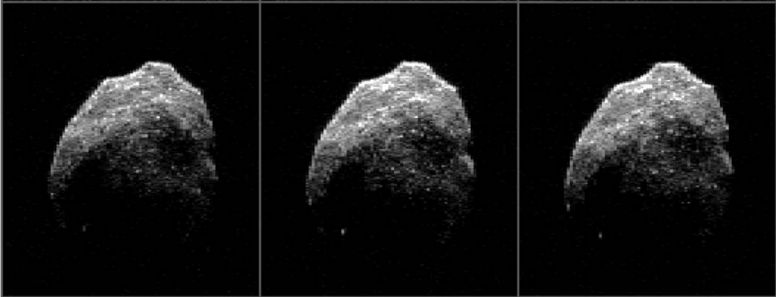
  • New radar images of the ‘spooky’ 2015 TB145 asteroid

    The 'spooky' 2015 TB145 asteroid has made a safe pass trough Earth's neigborhood on October 31, 2015, and scientist were able to obtain new high resolution radar images of its surface, quite distinct to the first images provided by the Arecibo radar on…

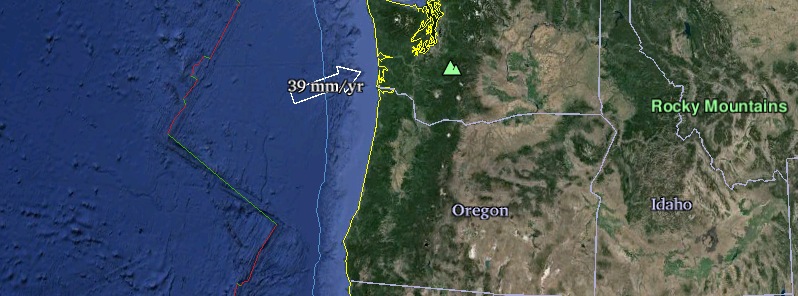
  • Evidence of large ancient earthquakes of the Cascadia fault

    The coastal salt marshes of the Cascadia subduction zone (CSZ) preserve evidence from several large earthquakes, between 8 and 9 in magnitude, according to paleoseismologists. So far, the scientists have been using only the stratigraphic data records to gain insight…

  • The 2015 ozone hole over Antarctic larger than usual and late

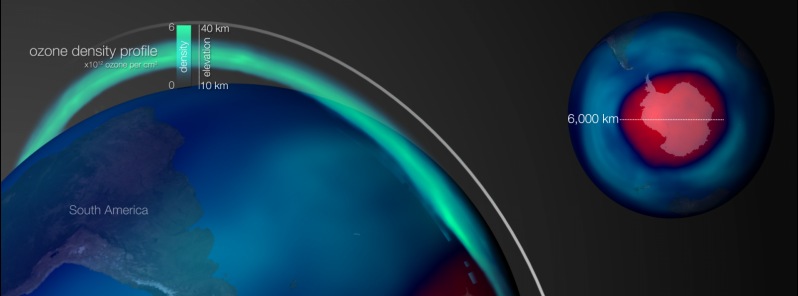
    The annual Antarctic ozone hole was larger than usual this year and formed later than in recent years, according to the scientists from NASA and the National Oceanic and Atmospheric Administration (NOAA). The ozone hole reached its maximum on October 2, 2015,…

  • First raw image from Enceladus’ October 28 flyby now available

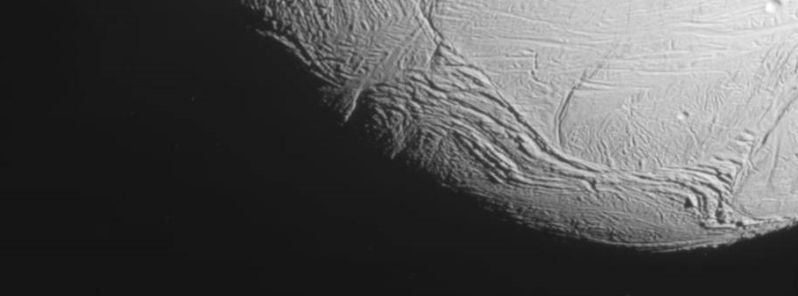
    First image of Saturn's moon Enceladus has been received from the Cassini spacecraft, NASA reported on October 30, 2015. NASA's Cassini spacecraft was scheduled to perform its deepest-ever dive through the icy plume of Saturn's moon Enceladus on October…

  • New method for predicting volcanic eruptions yields promising results

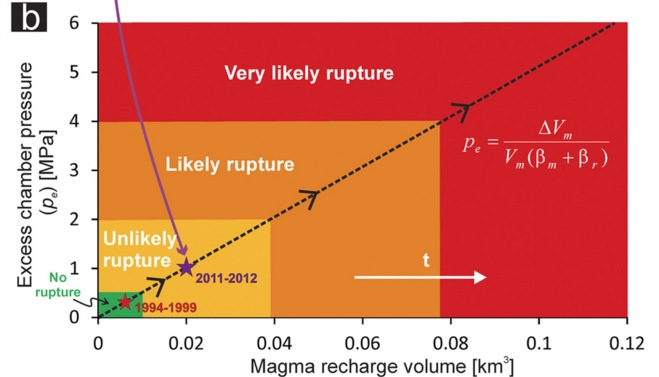
    A group of UK scientists from the Royal Holloway, University of London, has developed a new method to determine which conditions are needed to facilitate a volcano eruption. Researchers have used the data collected during eruptions of the Santorini volcano to…

  • The first age map of the Milky Way’s halo produced

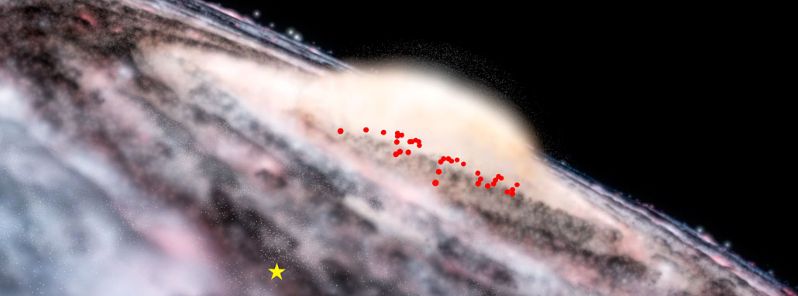
    An international team of scientists, lead by Galactic Archaeology group of the University of Notre Dame, France, has managed to produce the first chronographic age map of the Milky Way's halo using a sample of stars from the Sloan Digital Sky Survey. Scientists…

  • Science behind “booming” and “burping” sand dunes explained

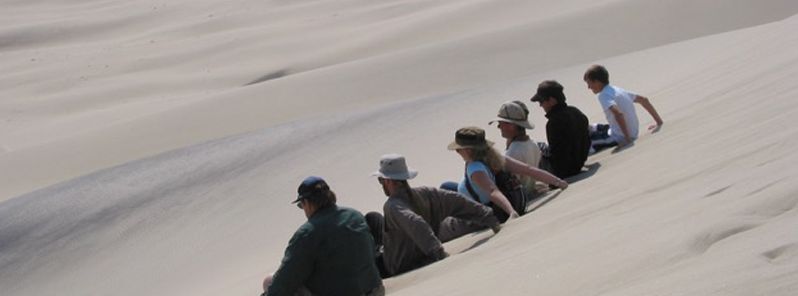
    Research team from California Institute of Technology (Caltech) and the University of Cambridge has explained the science behind the loud, rumbling "booming" or short "burping" sounds produced by sand avalanches from dune faces in Death Valley…