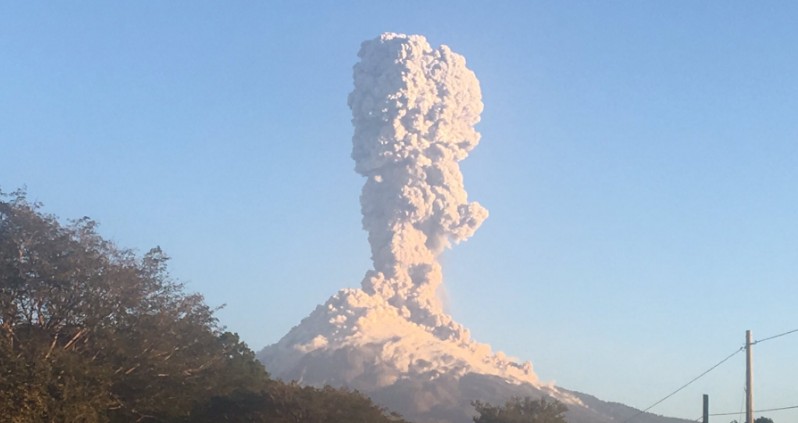
• Very strong explosion at Colima, ash up to 7 km (23 000 feet) a.s.l.

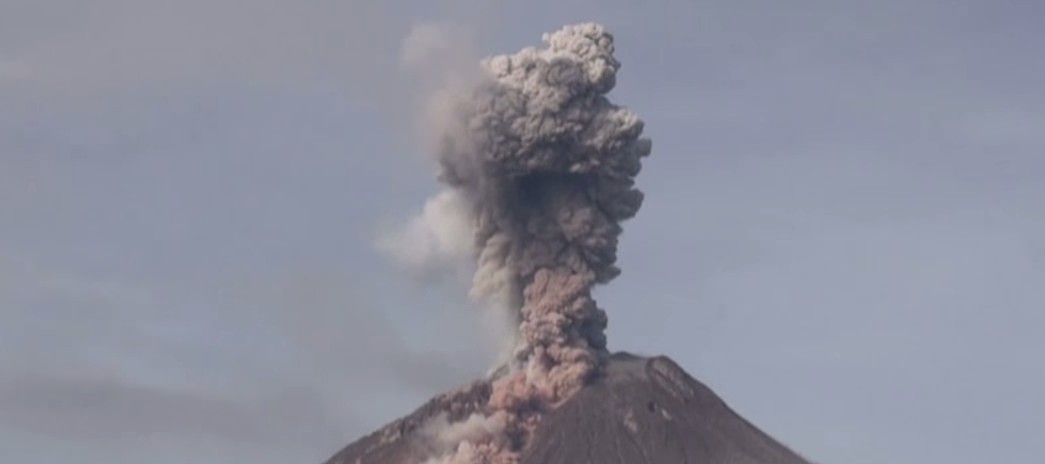
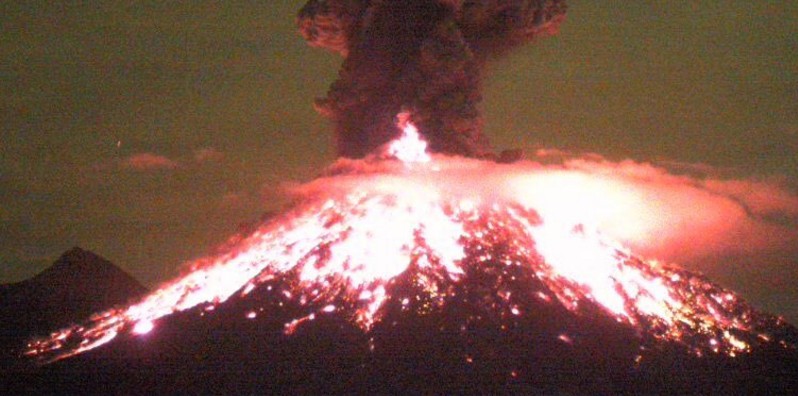
    A very strong explosion occurred at Mexican Colima volcano at 13:45 UTC on January 25, 2017. This is yet another strong explosion at the volcano, currently one of the most active in the world. The eruption was accompanied with pyroclastic flows on the NE flank. The…
  • Bogoslof ejects ash more than 9.5 km (31 000 feet) a.s.l., Alaska

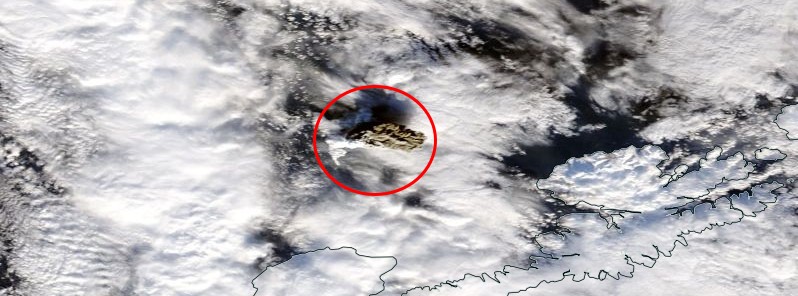
    Alaskan Bogoslof volcano erupted again at about 22:20 UTC on January 18, 2017, following an approximately 20-minute-long increase in seismic activity. The cloud it ejected is presumably more ash-rich than others in current eruptive sequence. Alaska Volcano…

  • Very strong explosion at Colima volcano, Mexico

    After three moderate to large explosions over the past 10 days, Mexico's Colima volcano experienced another strong explosion at 06:27 UTC (00:27 CST) on January 18, 2017. The eruption spewed volcanic ash up to 4 km (13 123 feet) above the crater. Ashfall was…

  • Activity at Indonesian Mount Sinabung remains high

    Volcanic activity at Indonesian Mount Sinabung remains high. Late Monday, January 16, 2017, the volcano spewed ash up to 5.5 km (18 000 feet) above sea level and produced a large pyroclastic flow, reminding everybody why tens of thousands nearby residents had to be…

  • New method for predicting volcanic eruptions yields promising results

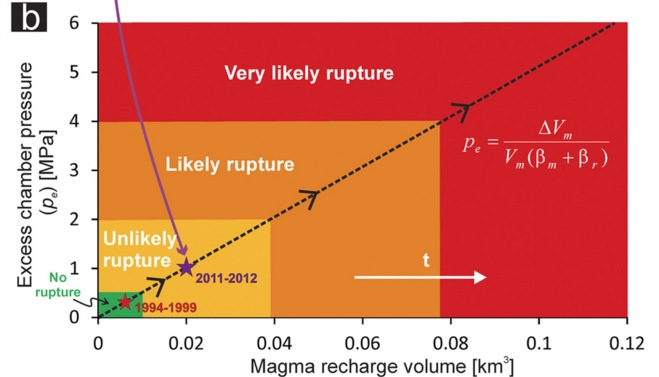
    A group of UK scientists from the Royal Holloway, University of London, has developed a new method to determine which conditions are needed to facilitate a volcano eruption. Researchers have used the data collected during eruptions of the Santorini volcano to…

  • How do active volcanoes change clouds?

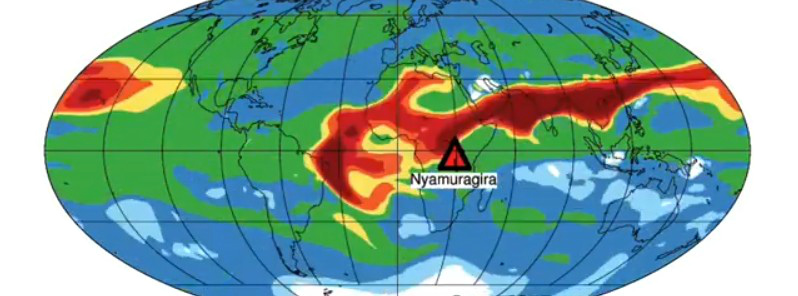
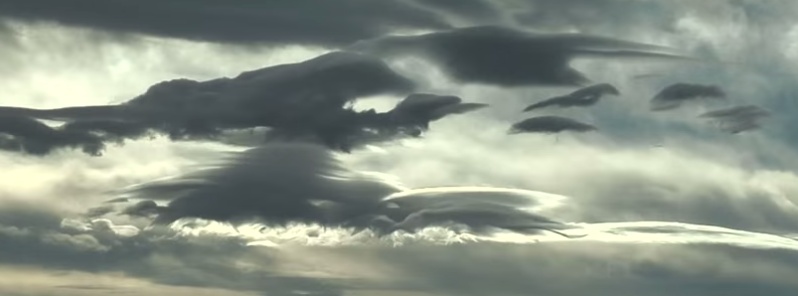
    NASA Goddard Space Flight Center scientist Andrew Sayer talks about how emissions from volcanoes can affect clouds. This video provides an overview of research published in the Journal of Atmospheric Chemistry and Physics. Research: Systematic satellite observations of