High-level eruption at Shishaldin volcano, Alaska
An ash cloud from Shishaldin Volcano reaching 12 km (40 000 feet) above sea level was observed in satellite data at 13:50 UTC on October 3, 2023.

An ash cloud from Shishaldin Volcano reaching 12 km (40 000 feet) above sea level was observed in satellite data at 13:50 UTC on October 3, 2023.

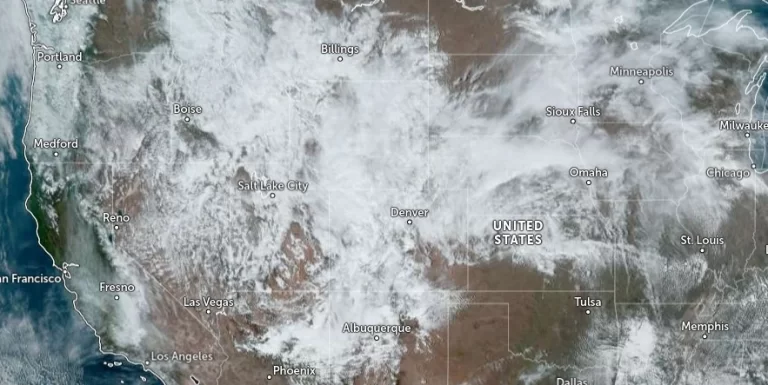
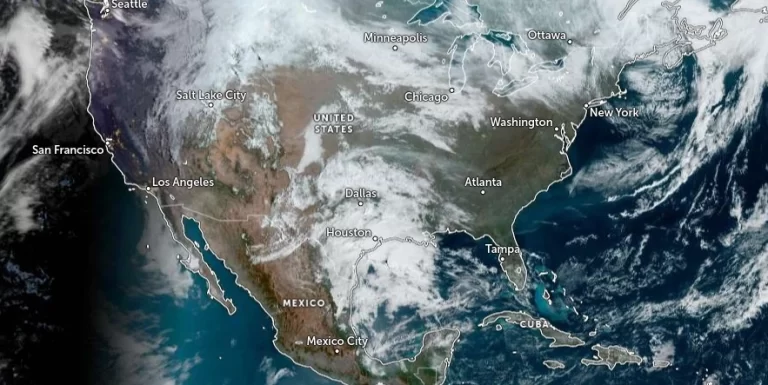
A storm system exiting the West will trigger widespread severe thunderstorms across the Plains on Tuesday. These storms are expected to produce large hail, damaging winds, heavy rain, possible flooding and a couple of tornadoes across the region. Ahead of this sprawling system, a number of record high temperatures are possible from the Upper Mississippi Valley and Great Lakes into the Northeast.

Record-breaking rainfall submerged streets and disrupted travel across the New York City metropolitan area on September 29, 2023. The deluge set new daily records and made this month the wettest September in New York City’s recorded history.

An ash cloud from Alaska’s Shishaldin Volcano soared above 6 km (20 000 feet) above sea level at 13:24 UTC and up to 13.7 km (45 000 feet) by 14:18 UTC on September 25, 2023. The eruption, monitored through an array of sensors and satellite data, led authorities to elevate the Aviation Color Code to Red and the Volcano Alert Level to Warning.

Tropical Storm “Ophelia” made landfall near Emerald Isle, North Carolina, around 10:15 UTC on September 23, 2023, with maximum estimated winds of 110 km/h (70 mph). The storm has since weakened into a post-tropical low but continued to pose a flooding risk across the Mid-Atlantic.

On September 15, 2023, around 01:10 UTC, an explosive eruption from Shishaldin Volcano sent an ash-rich cloud soaring to an altitude of 12.8 km (42 000 feet), accompanied by volcanic lightning. The eruption followed a several-hour increase in seismicity. The Aviation Color Code and Volcano Alert Level were raised to RED/WARNING.

At 01:15 UTC on September 11, 2023 (15:15 HST, September 10), the USGS Hawaiian Volcano Observatory (HVO) identified new eruptive activity at Kīlauea’s summit within Hawai‘i Volcanoes National Park, based on webcam images and field reports. The eruption was preceded by intense seismic activity and rapid uplift at the summit.

Idalia has strengthened into a Category 2 hurricane and is expected to become a major hurricane tonight before it reaches the Big Bend coast of Florida. It is likely to still be a hurricane while moving across southern Georgia, and possibly when it reaches the coast of Georgia or southern South Carolina on Wednesday.

Tropical Storm “Idalia” formed in the Caribbean Sea on Sunday, August 27, 2023, as the 10th named storm of the 2023 Atlantic hurricane season. The system is still strengthening and is expected to make landfall in Florida as a Category 2 or 3 hurricane on Wednesday, August 30.

Tropical Storm “Harold” — the first Atlantic tropical cyclone to make landfall in the US for 2023, hit South Texas on Tuesday, August 22, 2023, delivering torrential rains and localized flash floods in areas along the Mexico border. This sudden impact came mere hours after its upgrade from a tropical depression on its trajectory across the Gulf of Mexico.