• Sheveluch eruption produces ash to 9 km (30 000 feet) a.s.l., possible light ashfall in nearby districts, Russia

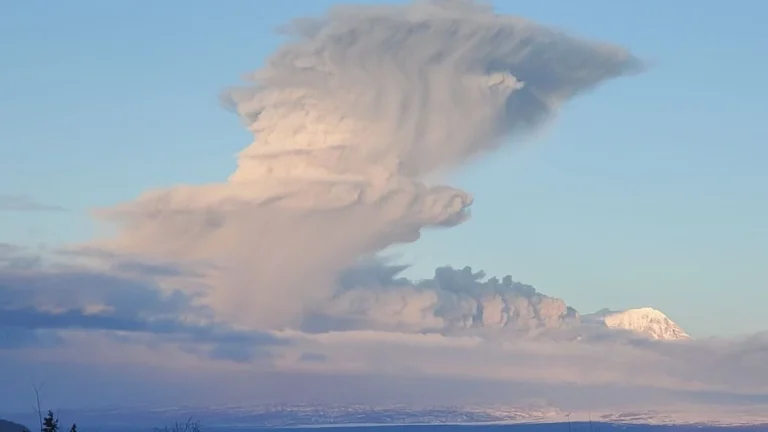
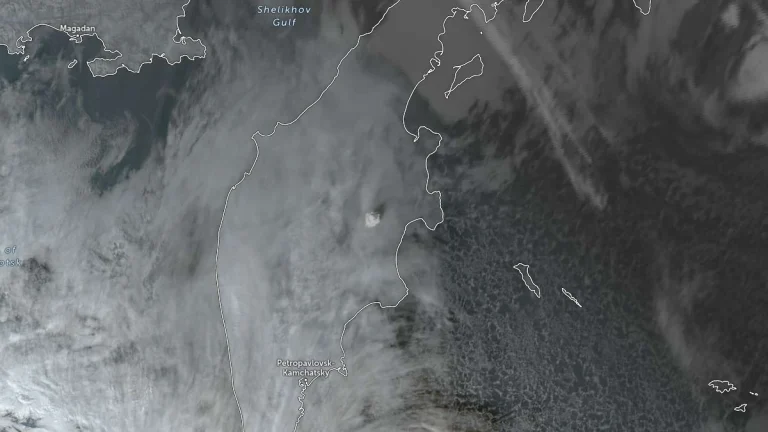
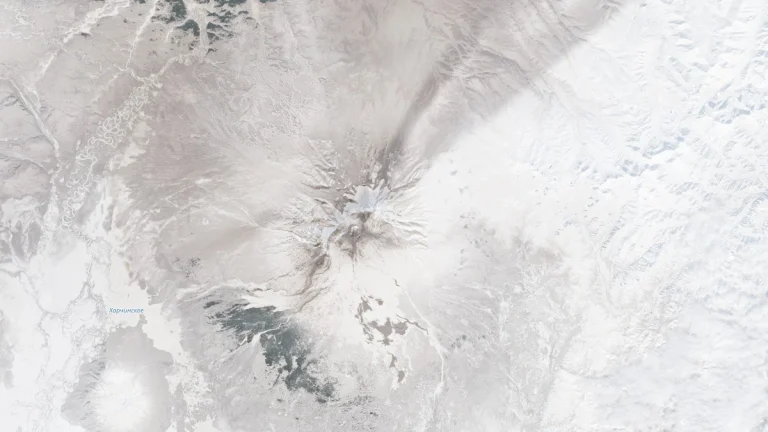
    An explosive pulse at Sheveluch volcano, Kamchatka, Russia, around 04:54 UTC on January 28, 2026, sent ash to about 9 km (30 000 feet) above sea level, with a plume drifting west over the Kamchatka Peninsula. Tokyo VAAC advisories through 12:00 UTC indicate continuing ash, with tops between 6 km (19 700 feet) and 7 km (23 000 feet) after the initial 9 km (30 000 feet) eruption.

  • Moscow sends heavy equipment to deal with historic snow emergency in Kamchatka

    Moscow sent two military cargo planes to deliver heavy snow-clearing equipment to Kamchatka on January 22, 2026, after historic snowfall claimed two lives last week. More than 2 m (7 feet) of snow fell in the first half of January, followed by another 3.7 m (12.1 feet) in December, burying entire homes and paralyzing the region.

  • Strong M6.2 earthquake hits near east coast of Kamchatka, Russia

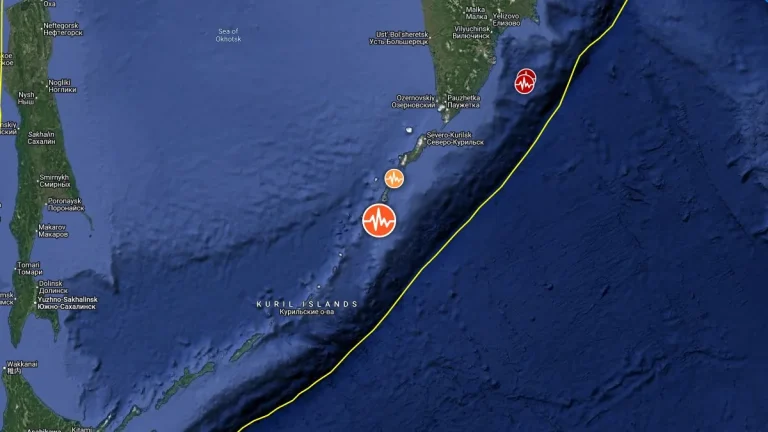
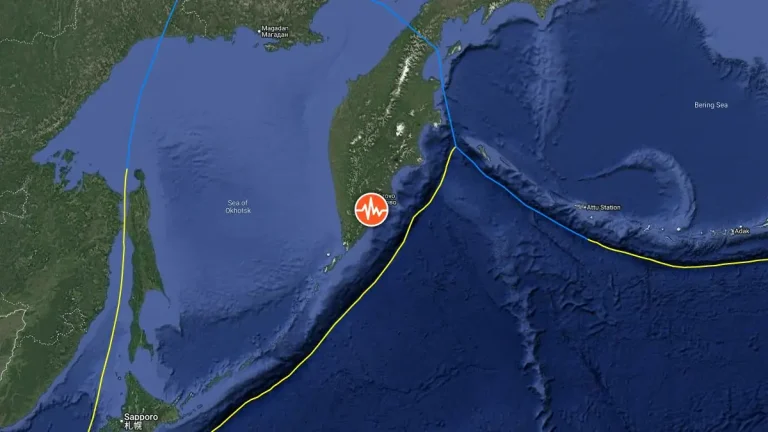
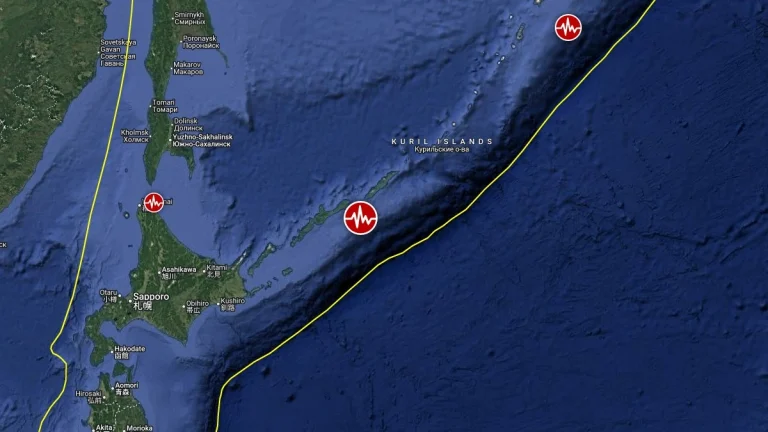
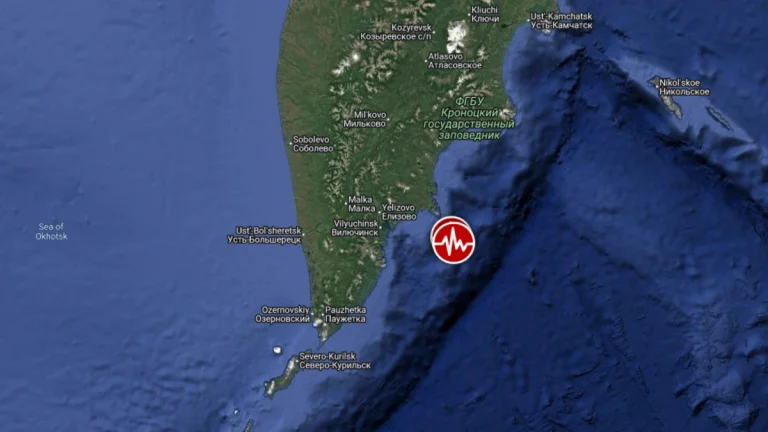
    A strong earthquake registered by the USGS as M6.2 struck near the east coast of Kamchatka, Russia, at 12:42 UTC on January 22, 2026. The agency is reporting a depth of 52.2 km (32.4 miles). EMSC is reporting the same magnitude and depth. There is no tsunami threat from this earthquake.

  • Powerful winter storm drops 30% of monthly precipitation across Kamchatka in 24 hours

    A powerful winter storm struck the Kamchatka Peninsula overnight on January 13, 2026, dropping 30% of the region’s monthly precipitation in 24 hours. Small avalanches were reported in snow-covered neighborhoods across the region. The storm added to existing accumulations from previous winter storms, one of which brought the heaviest snowfall on record to Moscow between January 8 and 9.

  • Very bright, slow-moving bolide illuminates night sky over Moscow, Russia

    A bright green bolide, a natural meteoroid entering Earth’s atmosphere, illuminated the skies over Moscow, Russia, at around 00:30 UTC on October 27, 2025. The object produced several bright flashes and visible fragmentation as it moved across the sky, leaving a persistent trail. Analysis of multiple videos confirms its natural origin, distinguishing it from any satellite or rocket re-entry.