• Lyrid meteor shower peaks April 22 under favorable skies

    Earth will intersect the Lyrid meteor stream on April 22, 2026, marking the peak of this annual celestial event, with meteor rates averaging 10–20 per hour under optimal conditions. The event is best observed during the pre-dawn hours when the radiant in the constellation Lyra reaches a higher elevation.
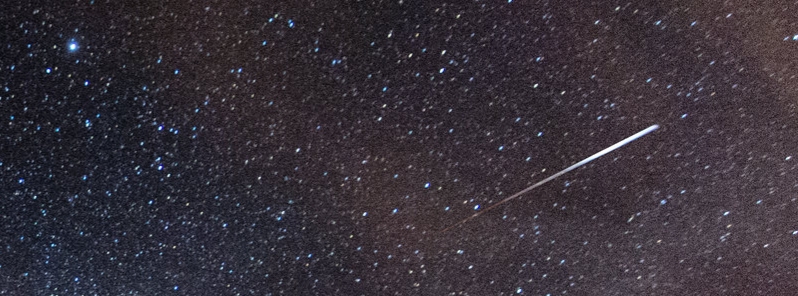
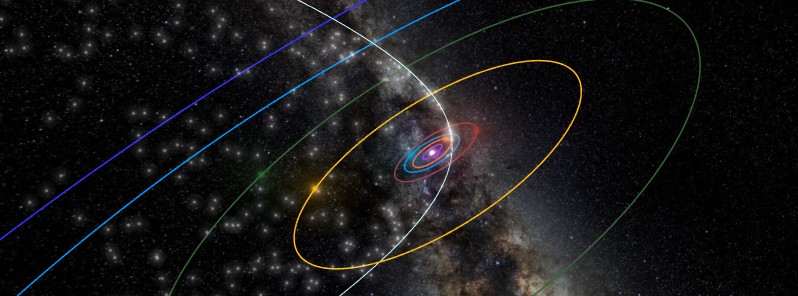
  • Lyrid meteor shower to light up night sky in April 2025

    The Lyrid meteor shower, caused by debris from Comet Thatcher, will peak from April 21 to April 22, 2025, with an expected rate of 10–15 meteors per hour. It will be best visible in the Northern Hemisphere, and rare surges and fireballs may occur under favorable conditions,

  • Lyrid meteor shower peaks April 21 and 22

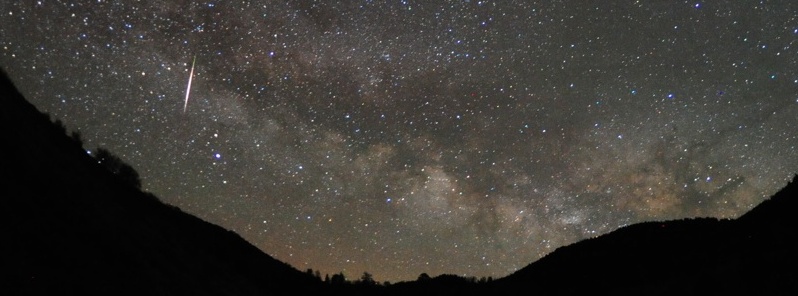
    The Lyrid meteor shower will peak on the night of April 21 and the morning of April 22. This is a medium strength shower that usually produces about 20 meteors per hour at its peak. The Lyrids are one of the oldest known meteor showers, observed for at least 2 700…

  • Night sky guide for April 2017

    April brings us three meteor showers – Virginids on April 12th, Lyrids on the 22nd and 23rd and Alpha Schorpiids on the 28th. The Moon will present minimal interference for Lyrids and Alpha Scorpiids. On April 1, Comet 41P/Tuttle-Giacobini-Kresák is making…

  • Lyrid meteor shower peaks on April 23, 2015

    Lyrid meteor shower will reach its maximum activity this year on the morning of April 23, 2015. The Moon will be 5 days old at the time, and so will present minimal interference. Lyrid meteors are known for their luminous dust trains observable for several seconds.The p

  • Lyrid meteor shower peaks on April 22

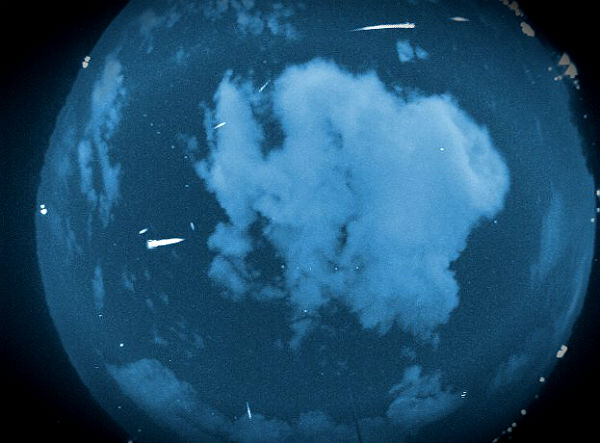
    Lyrid meteor shower, considered to be the oldest of meteor showers, is an average shower usually producing about 20 meteors per hour at its peak. This shower runs annually from April 16 – 25 and its peak this year is predicted to occur near 18:00 UTC on April

  • Lyrid meteor shower peaks this week

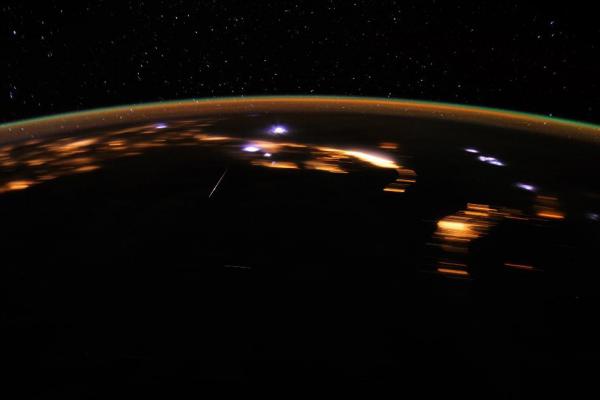
    Earth is approaching the debris field of ancient Comet Thatcher, source of the annual Lyrid meteor shower. Every year in late April Earth passes through the dusty tail of Comet Thatcher (C/1861 G1), and the encounter causes a meteor shower – the Lyrids. This year the