• Asteroid 2024 GJ2 to fly by Earth at just 0.05 LD on April 11

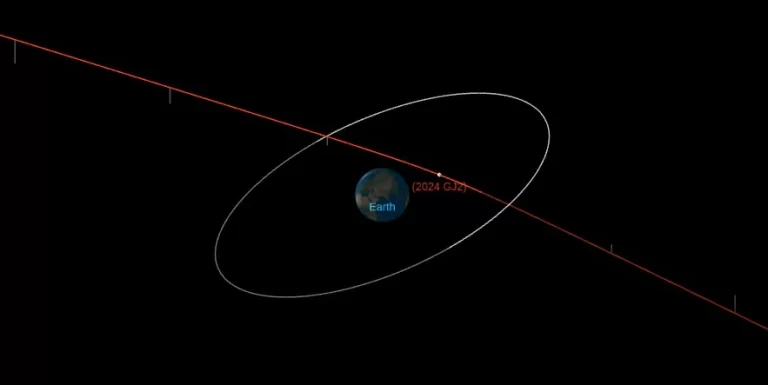
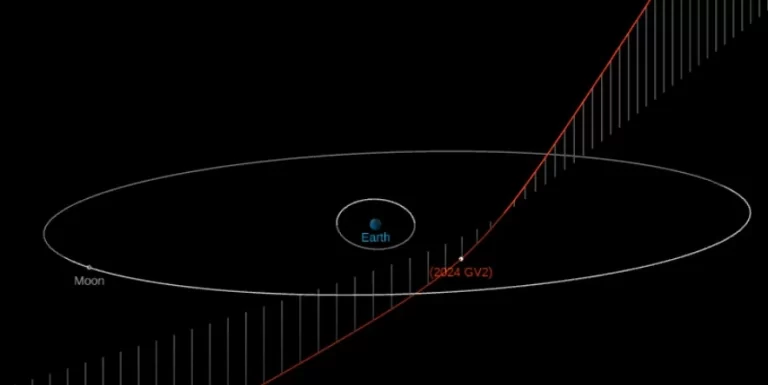
    A newly-discovered asteroid designated 2024 GJ2 will fly past Earth at a distance of just 0.05 LD / 0.00013 AU (18 700 km / 11 620 miles) at 18:33 UTC on April 11, 2024. This is the 25th known asteroid to fly past Earth within 1 lunar distance since the start of the year.
  • ESA’s SMOS and Swarm observe strongest geomagnetic storm since 2017

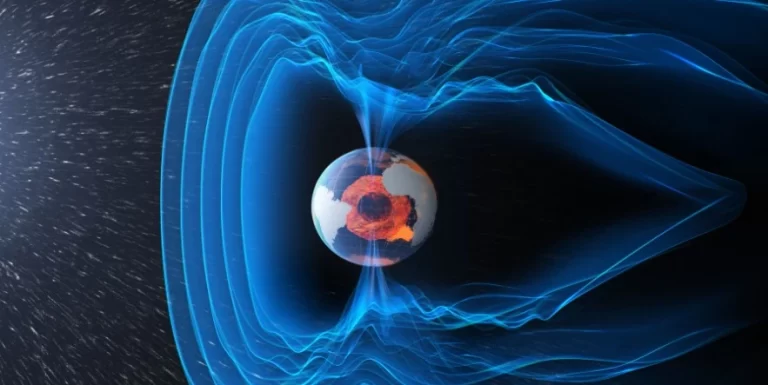
    The European Space Agency’s SMOS and Swarm satellites have, for the first time, successfully tracked a severe solar storm, following an X1.1 solar flare and a halo coronal mass ejection (CME) on March 23, 2024. The CME impacted Earth on March 24, producing a G4 – Severe geomagnetic storm — the strongest geomagnetic storm since September 2017.

  • Decade of Swarm satellite data unveils new insights into Earth’s magnetic field and core dynamics

    Launched in 2013, the European Space Agency’s (ESA) Swarm mission, consisting of three satellites, has provided a decade of invaluable data on Earth’s magnetic field and core dynamics. This data has enabled significant advances in understanding the mechanisms behind the magnetic field’s slow changes, as detailed in a recent ESA-funded project report.

  • Upcoming nova explosion in T CrB star system offers rare night sky event

    In a stellar event anticipated to occur between now and September 2024, the T Coronae Borealis (T CrB) star system, located 3 000 light-years away, is predicted to undergo a nova outburst, becoming visible to the unaided eye. This rare occurrence, last witnessed in 1946, will temporarily elevate the system’s brightness to match that of the North Star, offering a unique viewing opportunity.

  • DART impact altered Dimorphos’ orbit and shape, proving asteroid deflection technique viable

    On September 26, 2022, NASA’s Double Asteroid Redirection Test (DART) mission made history by intentionally colliding with the asteroid Dimorphos, significantly altering both its orbital period and physical shape. This is the first time humanity has purposefully altered the motion of a celestial object, as well as the first full-scale demonstration of asteroid deflection technology.

  • Public meteorite hunt after large fireball streaks over New Zealand

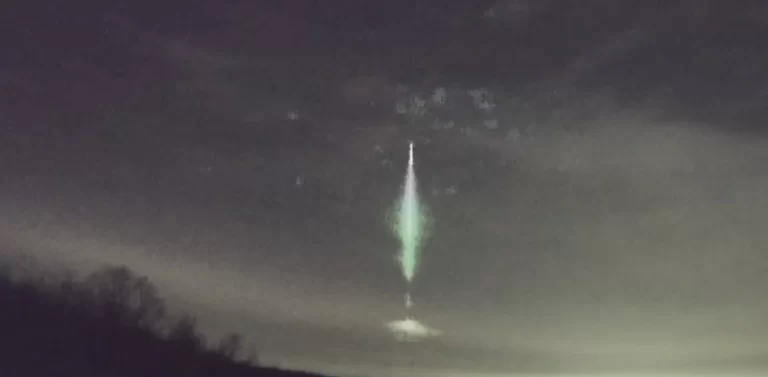
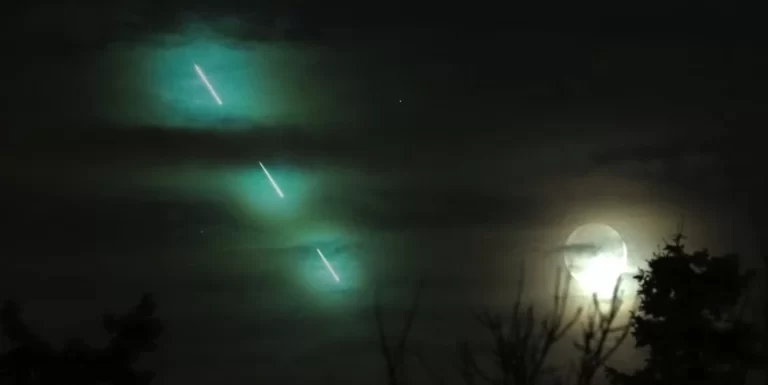
    A very bright fireball was seen over Otago and Canterbury, New Zealand at 08:04 UTC (21:04 LT) on March 13, 2024. Analysis shows that some 0.5 km (1.1 pounds) of the object survived the entry and ended up scattered on the ground in MacKenzie Country. A public search for meteorites is scheduled for March 21.

  • Giant volcano discovered in Mars’ Tharsis volcanic province

    Scientists at the 55th Lunar and Planetary Science Conference in The Woodlands, Texas, announced the discovery of a vast volcano and a potential glacier ice sheet in Mars’ Tharsis volcanic province, near the equator. The finding, based on images from spacecraft orbiting Mars since 1971, highlights a volcano provisionally named “Noctis” and suggests the presence of glacier ice beneath a volcanic deposit. This discovery opens new avenues for studying Mars’ geological evolution and future exploration.