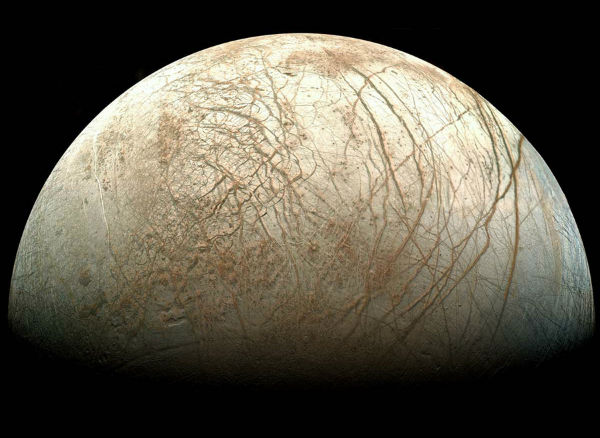
• NASA plans to search for signs of life on Jupiter’s moon Europa

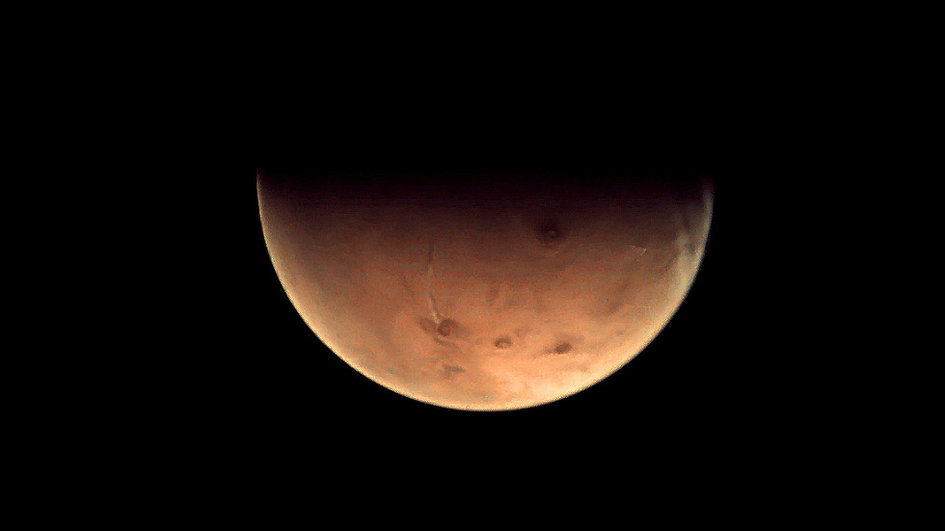
    Early in December NASA officials announced that they plan to launch a $1.5 billion rover to Mars in 2020. NASA investigates the possible habitability of Europa, Jupiter’s fourth-largest moon. One concept that may be gaining traction is a so-called “clipper” probe

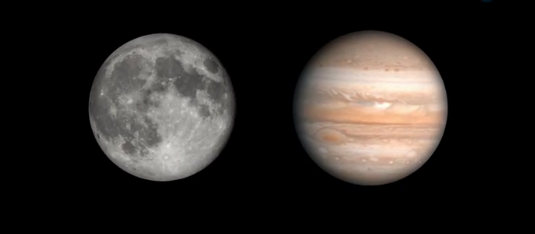
  • ScienceCasts: Christmas Sky Show

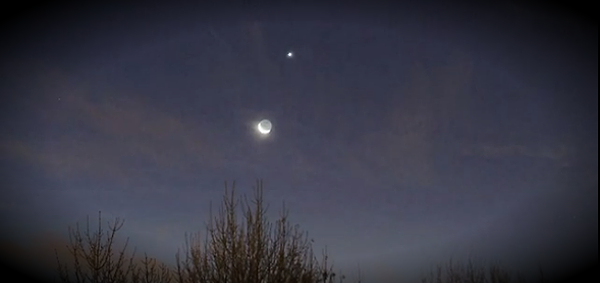
    This Christmas, the Moon and Jupiter are converging for a heavenly sky show. Jupiter and the Moon are only a degree or two apart, depending on your location (in the Americas) and the time of evening. If you watch through binoculars, you can see Aldebaran right…

  • First data acquired by new ESA’s deep space tracking station

    ESA’s new deep-space tracking station (DSA 3) in Malargüe, Argentina received its first image on December 18, 2012. This image was selected as the symbolic ‘first data’ to be downloaded by DSA 3 and it marked its inauguration to service.The image was captured on

  • 2012 Geminid meteor shower

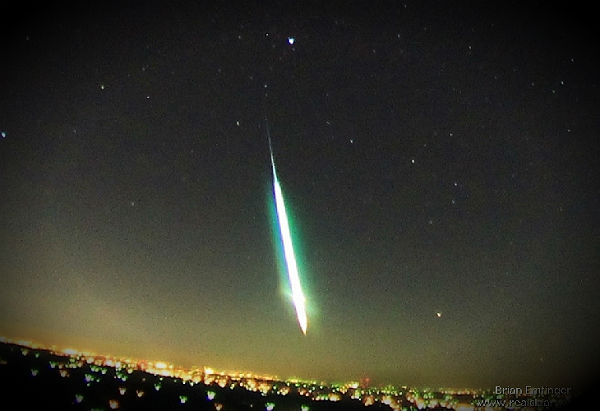
    Last night Earth passed through a stream of dusty debris from Comet 3200 Phaethon and sky observers around globe witnessed amazing Geminid meteor shower, with more than 120 meteors per hour at the peak.Earth now slowly exits 3200 Phaethon’s debris stream and the

  • NASA’s GRAIL mission brings most accurate moon gravity map

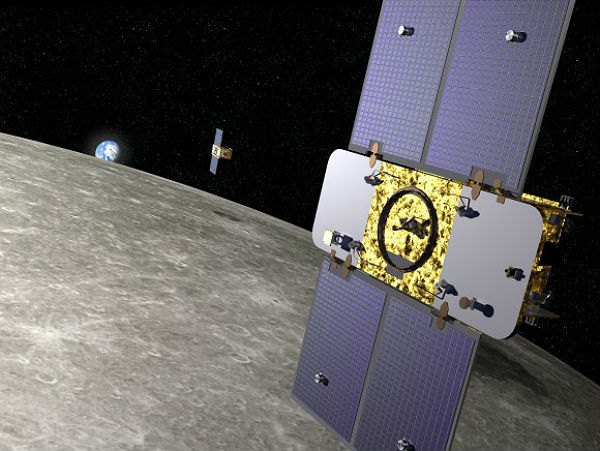
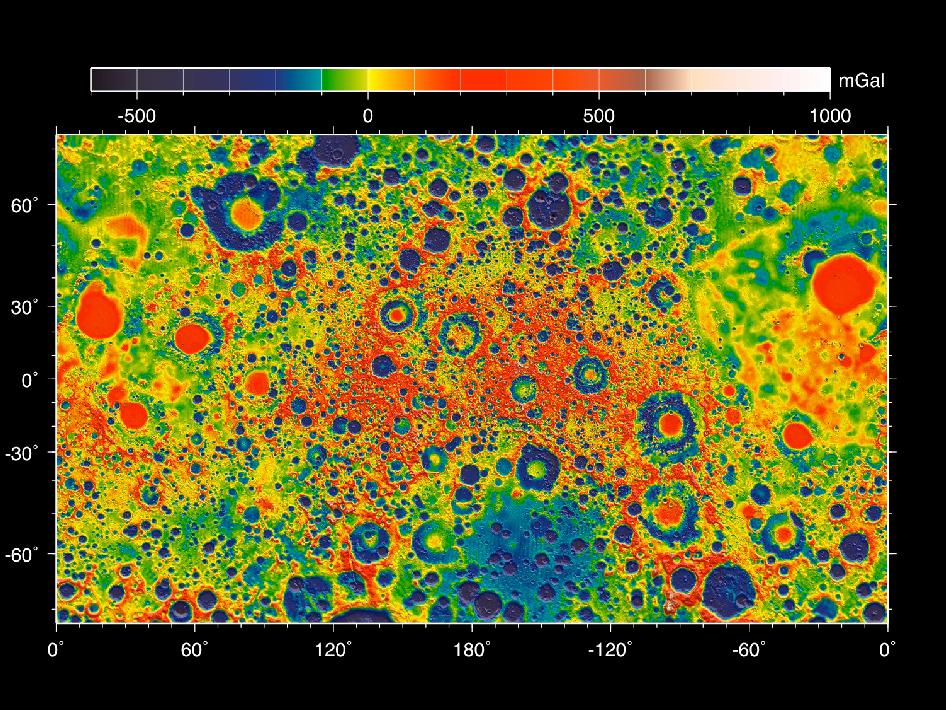
    Gravity field map of the moon generated by GRAIL probes boosts Giant impact hypothesis, which states that the Moon was formed out of the debris left over from a collision between the Earth and a body the size of Mars, about 4.5 billion years ago. This new map is also

  • Observing 2012 Geminid meteor shower

    Observing at the Northern Hemisphere started as early as December 6, when one meteor every hour or so could be visible. During the next week, rates increase until a peak of 50-80 meteors per hour is attained on the night of December 12/13. By December 18 meteor shower

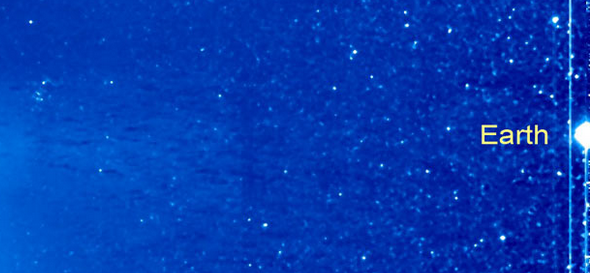
  • Why are we seeing so many sungrazing comets?

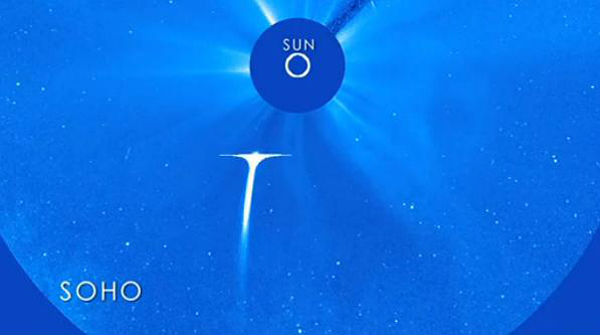
    Before 1979, there were less than a dozen known sungrazing comets. As of December 2012, we know of 2,500. Why did this number increase? With solar observatories like SOHO, STEREO, and SDO, we have not only better means of viewing the sun, but also the comets that
  • New satellite views of Earth by night

    The Earth never sleeps. The night is nowhere near as dark as most of us think. In fact, Earth is never really dark; it twinkles with lights from humans and nature. Away from human settlements, light still shines – wildfires and volcanoes rage, oil and gas wells burn