• LEON – microchips designed by ESA for future space missions

    In an attempt to become self-reliant, ESA designed LEON series microprocessor chips for their future space missions. Engineered to operate within spacecraft computers, withstand extreme conditions during launch and in space, manufacturing was done Atmel in France

  • The effects of solar variability on Earth’s climate

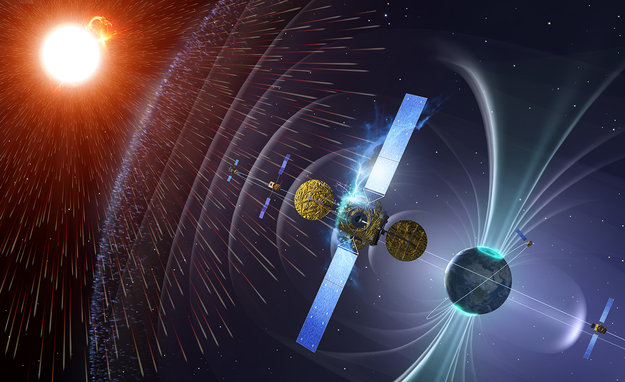
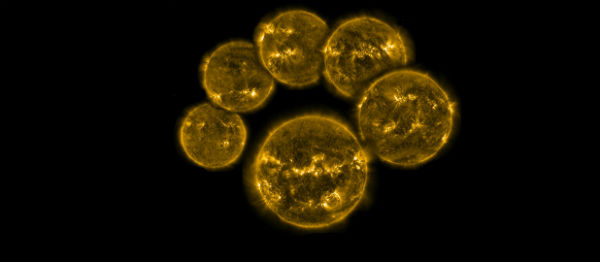
    A new report issued by the National Research Council (NRC), “The Effects of Solar Variability on Earth’s Climate,” lays out some of the surprisingly complex ways that solar activity can make itself felt on our planet.The luminosity of our own sun varies a 0.1% over

  • Potentially hazardous Asteroid Apophis close flyby tonight

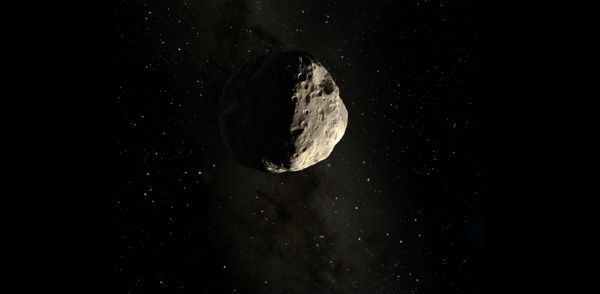
    ESA officials announced that its infrared Herschel Space Observatory has discovered that Apophis is about 325 meters (1,066 feet) wide, nearly 20 percent larger than a previous estimate of 270 m (885 feet). A 2004 study that predicted a 2.7 percent chance of

  • NASA considering an ‘asteroid return mission’

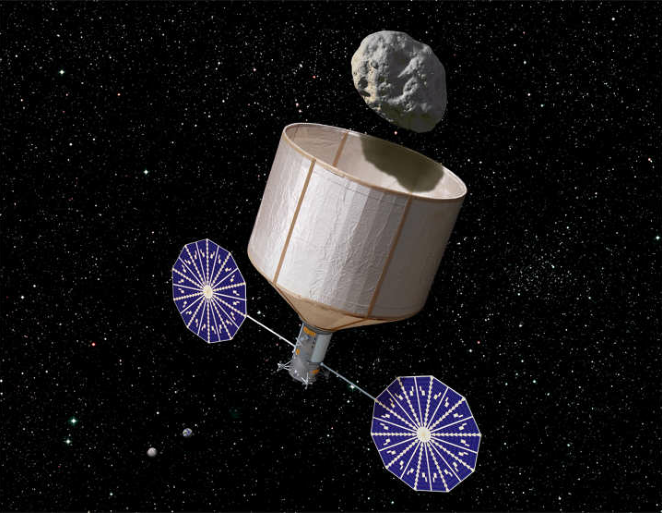
    We have seen wonders of NASA in past; Curiosity rover’s rendezvous for instance, was really a thrilling experience not only for NASA; but for science enthusiasts all over the world. Sources say NASA is now considering a plan for an “Asteroid return mission” to drag a

  • 2013 Quadrantid meteor shower peaks tonight

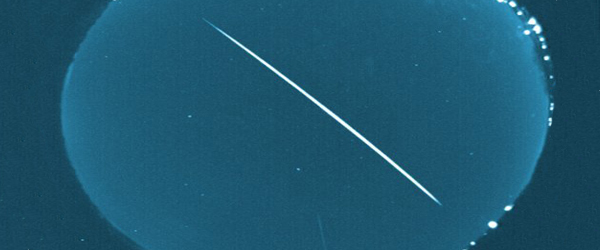
    The annual Quadrantids are the first meteor shower in 2013 and it will peak overnight, or more precisely, the first six hours of the morning of January 3rd. Unfortunately, the northern-hemisphere’s Quadrantid maximum, due around 13:30 UTC on January 3, has a

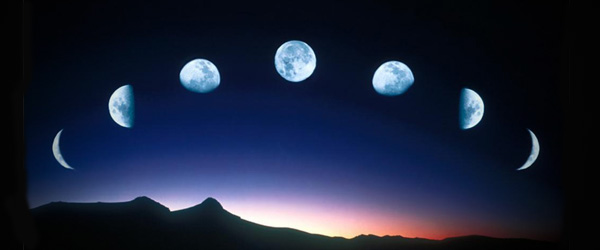
  • Earth’s Moon Phases, Monthly Lunar Cycles (Infographic)

    See how the phases of Earth’s moon work, from the full moon to the new moon and everything in between in this SPACE.com infographic. The moon is illuminated by light from the sun, which observers on Earth see reflected off the lunar surface. As the moon moves around

  • NASA | Why are we seeing so many sungrazing comets?

    Before 1979, there were less than a dozen known sungrazing comets. As of December 2012, we know of 2,500. Why did this number increase? With solar observatories like SOHO, STEREO, and SDO, we have not only better means of viewing the sun, but also the comets that

  • What’s Up January 2013: Encounters of the planetary kind

    Watch Saturn, Jupiter, Venus and Mars as they make appearances next to the moon this month, making them easy and fun to spot in the sky in January 2013. Jane Houston Jones from JPL provides a video preview of the January events. Eyes on the Solar