• NASA’s Voyager 1 enters new region of deep space – magnetic highway

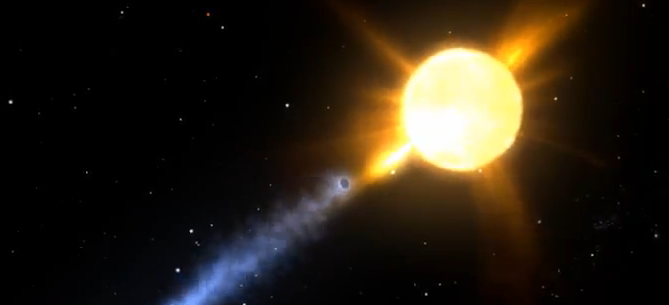
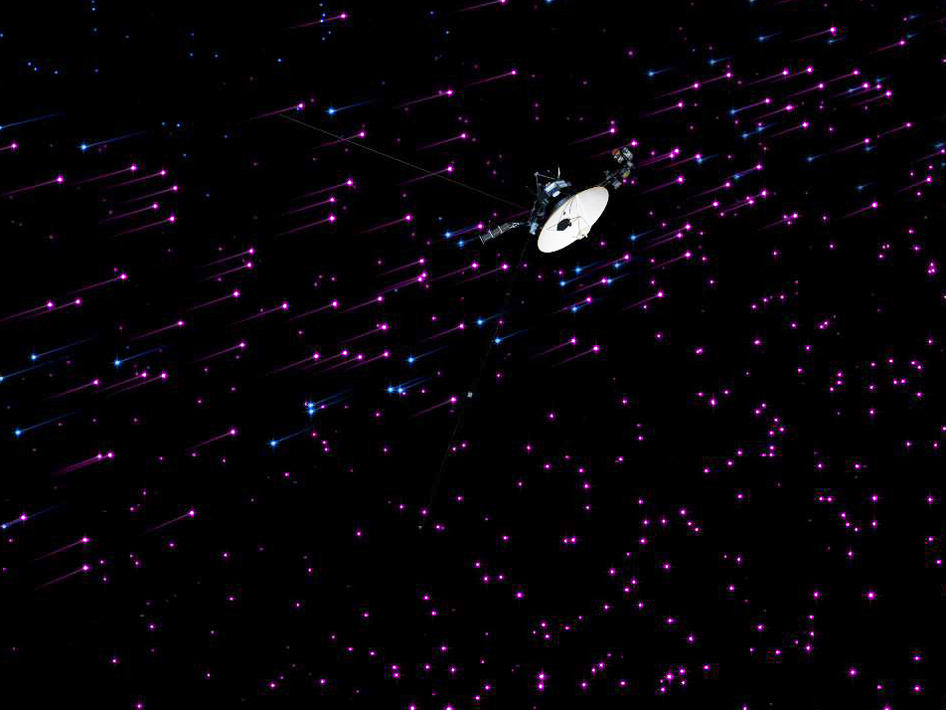
    NASA scientists have announced entry of Voyager 1 in a new region in deep space, which they’re calling a magnetic highway for charged particles; presumably the last leg of Voyager mission’s journey. In this region, magnetic field lines of sun are found connected to

  • Ups and downs in the daily minimum solar irradiance

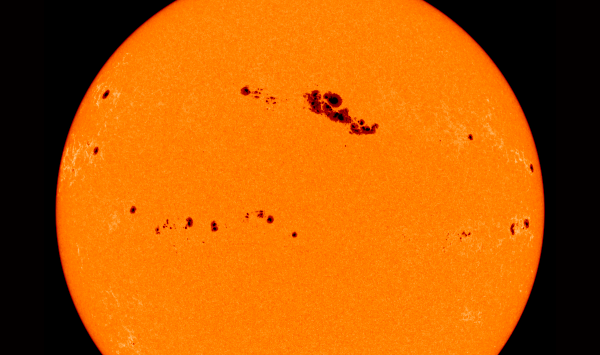
    With quite regular intervals of about 27 days which Sun takes to make full rotation circle, the Sun alternates between an active hemisphere with relatively many sunspots , and a hemispheric “face” that is pretty much void of these dark blemishes. For as long as it

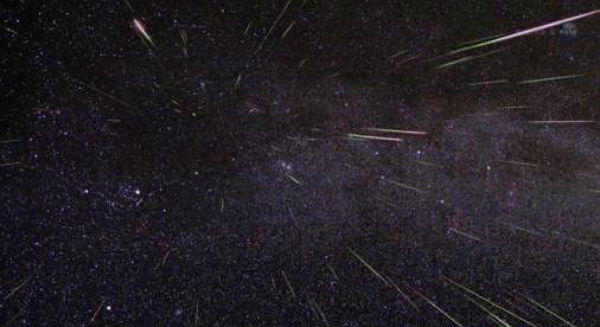
  • Geminid meteor shower and visible asteroids in December 2012

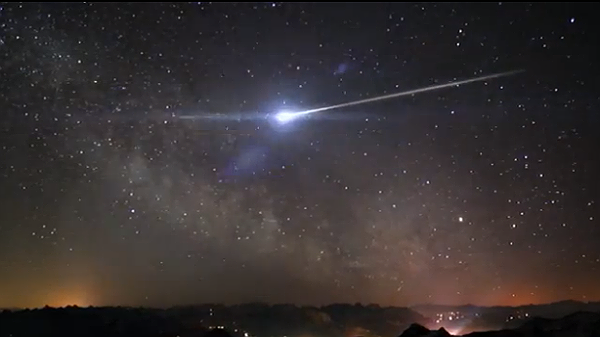
    If you’re planning to skywatch this December, this video will take you through some of the notable objects in the sky this month, including a meteor shower, large asteroids in the asteroid belt, and an array of constellations.Video courtesy of Space.comBeginning in

  • Our magnificent Sun – Solar cycle 24

    The solar cycle (or solar magnetic activity cycle) is the periodic change in the sun’s activity (including changes in the levels of solar radiation and ejection of solar material) and appearance (visible in changes in the number of sunspots, flares, and other

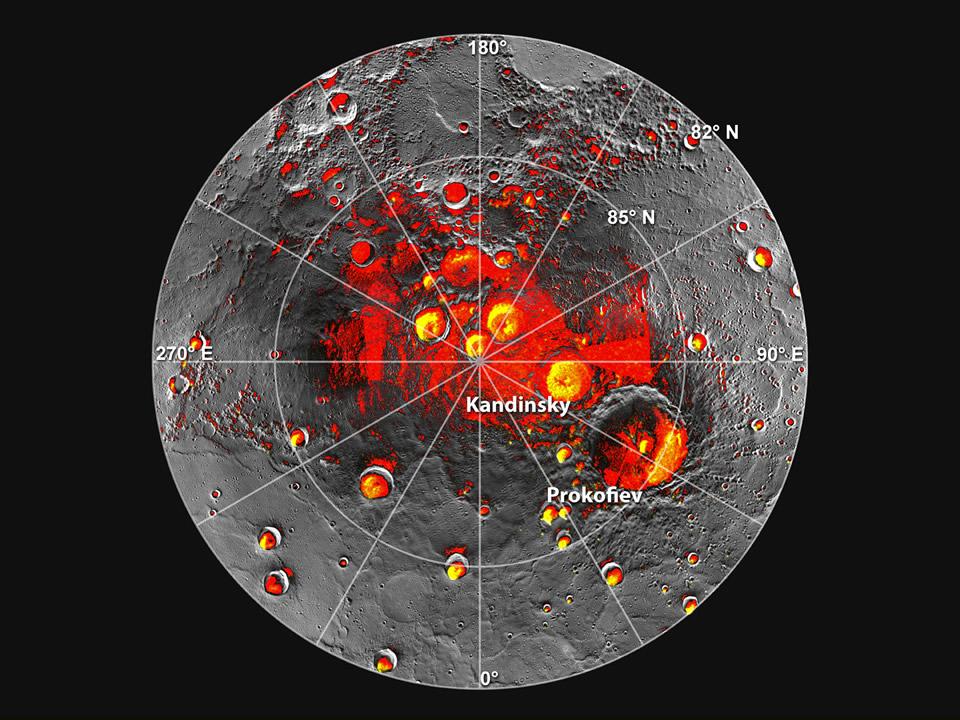
  • Messenger finds new evidence for ice on Mercury

    New data from NASA’s MESSENGER spacecraft suggest that there’s plenty of ice on Mercury’s polar regions. Given its proximity to the Sun, Mercury would seem to be an unlikely place to find ice. But the tilt of Mercury’s rotational axis is almost zero — less than one

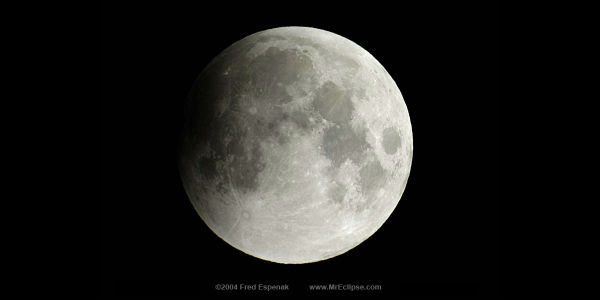
  • Penumbral lunar eclipse on November 28, 2012

    On November 28, 2012 the moon will slide through the Earth’s pale outer shadow or penumbra, resulting in a penumbral lunar eclipse. A penumbral lunar eclipse occurs when the Earth moves between the Sun and Moon but the three celestial bodies do not form a perfectly

  • NASA is tracking huge dust storm on Mars

    Huge dust storm on Mars has spawned changes in the Martian atmosphere. The Martian dust storm was spotted by NASA’s Mars Reconnaissance Orbiter (MRO) on November 10, 2012 and has been tracked ever since. Opportunity rover recorded a slight drop in atmospheric

  • JHelioviewer software: A different way to watch the Sun

    JHelioviewer is visualization software that enables everyone, anywhere to explore the Sun. Developed as part of the ESA/NASA Helioviewer Project, it provides a desktop program that enables users to call up images of the Sun from the past 15 years. Software contains

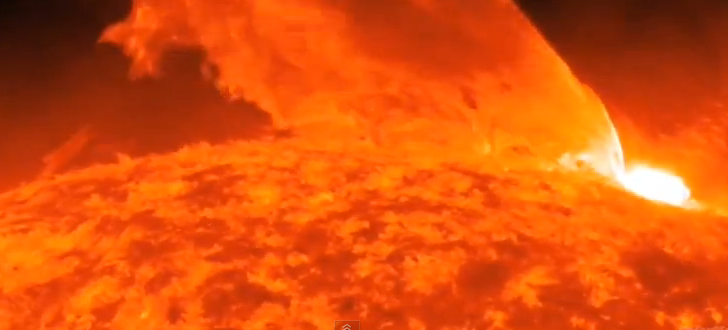
  • Prominent view

    The Sun is constantly roiling with nuclear heat and intense magnetism that make sunspots, flares, coronal mass ejections, and all sorts of space weather. When directed toward Earth, those solar blasts can disrupt satellite and radio communications, damage our