• A new giant galaxy cluster bursting with newborn stars discovered

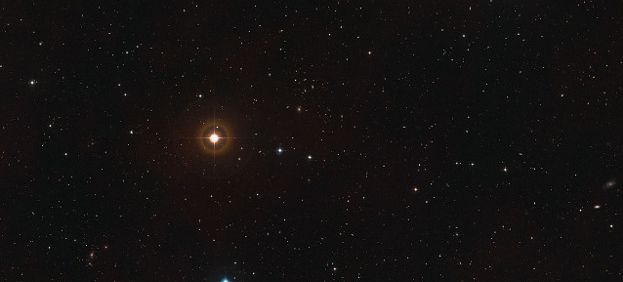
    Astronomers have discovered an enormous galaxy cluster with new stars forming in its core at a pace of 800 stars per year, ESA announced on September 10, 2015. This rare and amazing discovery was made by using the NASA's Spitzer Space Telescope and the Canada-France
  • New research reveals a global ocean beneath Saturn’s moon Enceladus

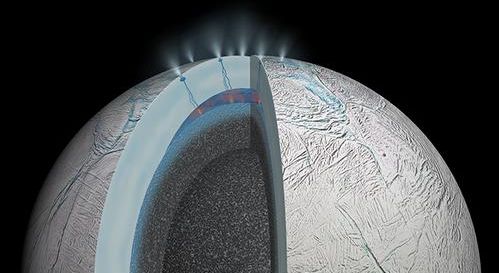
    Scientists have discovered a global ocean underneath the icy crust of Enceladus, the geologically active Saturn's moon. The discovery has been made by using data from NASA's Cassini mission, NASA announced on September 15, 2015.Researchers have come to this conc

  • Earth’s gravity significantly impacts the Moon’s faults orientation

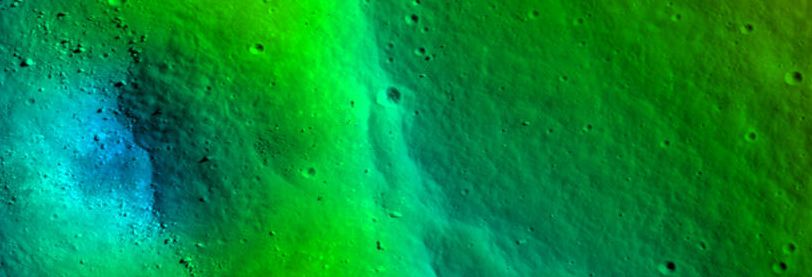
    New data obtained by NASA's Lunar Reconnaissance Orbiter (LRO) spacecraft show Earth's gravity has made a visible impact on the orientation of faults in the Moon's surface, NASA announced on September 15, 2015. LRO was launched on June 18, 2009 and has so fa

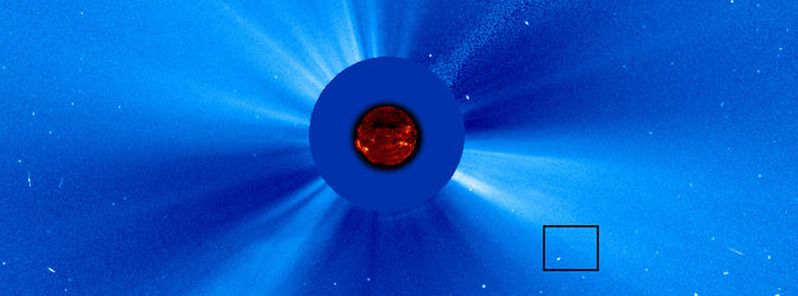
  • SOHO discovers its 3000th comet

    The Solar and Heliospheric Observatory (SOHO) detected its 3000th comet on September 13, 2015. The newest discovery confirmed SOHO's reputation for being the greatest comet finder in the history so far.SOHO is a joint project of the European Space Agency and NASA on

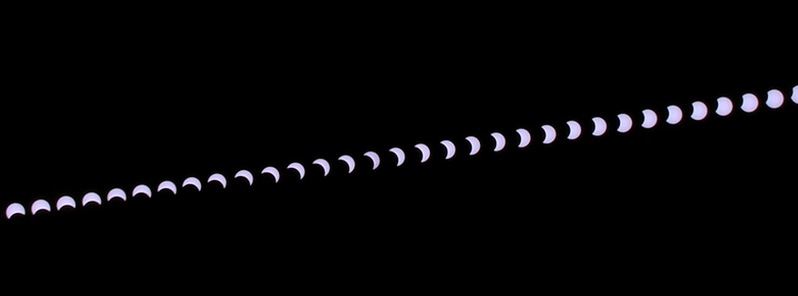
  • Partial solar eclipse on September 13, 2015

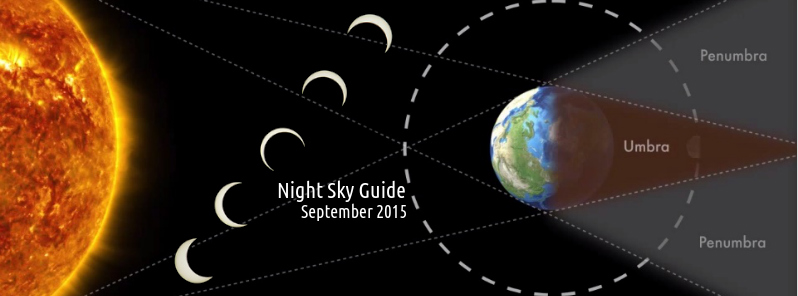
    A partial solar eclipse, visible from southern Africa, Madagascar, Antarctica and some locations in Indian and Atlantic Oceans, will occur on September 13, 2015. The moment of greatest eclipse will occur at 06:54 UTC. This eclipse comes 1.2 days before the Moon reaches

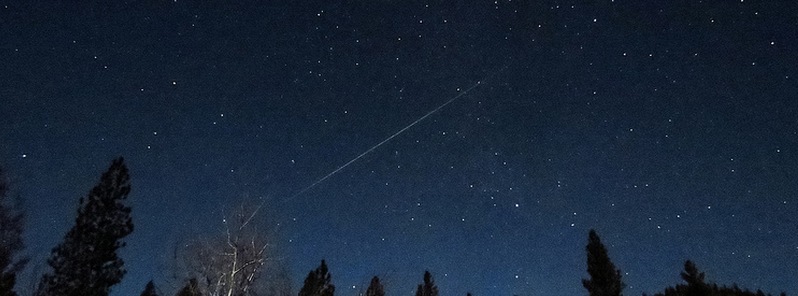
  • Meteor like object and crash reported in Oman

    A meteor like, but still unidentified, object was observed falling over Oman on Wednesday night, September 9, 2015, according to Saleh Al Shidhani from the Oman Astronomical Society.The Times of Oman reports that locals in Wilayat of Yanqul in Al Dhahira Governorate

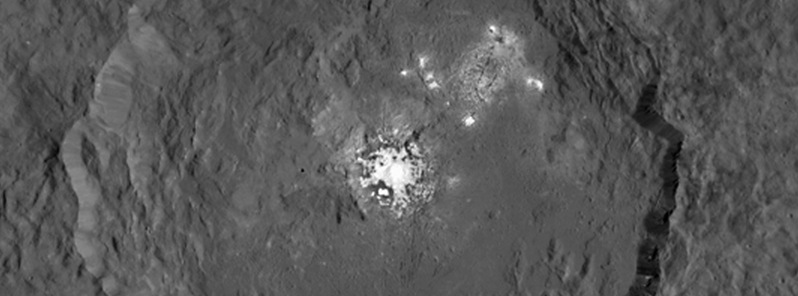
  • Bright spots on Ceres imaged in striking new detail

    NASA's Dawn spacecraft has provided new views of the dwarf planet Ceres, NASA's Jet Propulsion Laboratory (JPL) announced on September 9, 2015. The brightest spots and the closest-yet view of Occator crater has given scientists a deeper insight into these unusua

  • One step closer to solving the mystery of Mars’ atmosphere loss

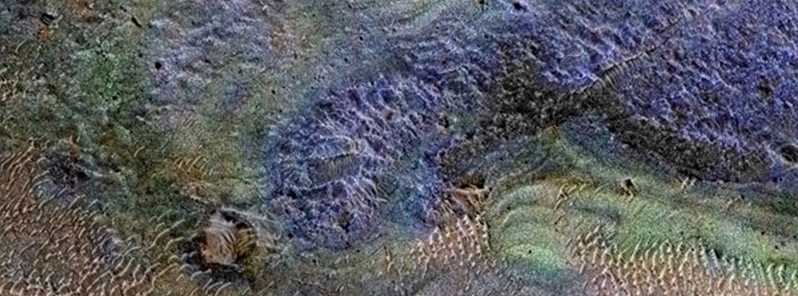
    A new analysis of the largest known deposit of carbonate minerals on Mars suggests that the original Martian atmosphere may have already lost most of its carbon dioxide by the era of valley network formation.Carbon dioxide makes up most of the Martian atmosphere. That g

  • Night sky guide for September 2015

    This month hosts two very interesting celestial events. First, a partial solar eclipse on September 13, visible only in southern Africa, Madagascar and Antartica. The second, total lunar eclipse on September 28 and the closest supermoon of 2015. This full Moon is also c