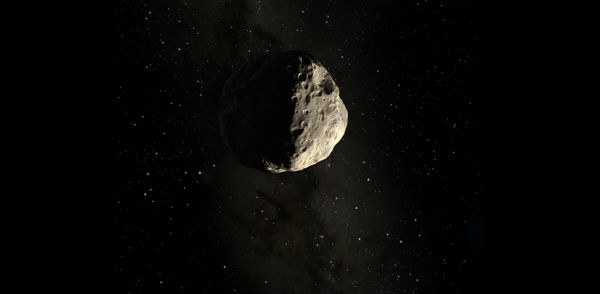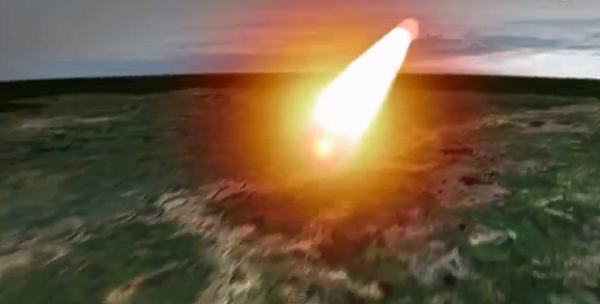
• Asteroid 2012 DA14 sequence and Chelyabinsk meteor trajectory

    This exceptional sequence made by the Virtual Telescope, shows asteroid 2012 DA14, soon after its close approach at about 27 500 km above the Earth surface. At the imaging time, it was moving at the amazing rate of 2450"/min (0.7deg/min). The robotic telescope…
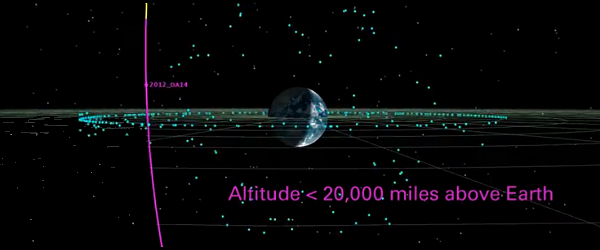

  • Asteroid 2012 DA14: Orbital approach and motion simulation

    The following video shows asteroid 2012 DA14 simulated apparent motion, as visible from the Virtual telescope observing site, in Central Italy. Time is running 50x faster than reality. The field of view is of about 13×10 degress. It covers a time span from 18:30 …

  • Watch asteroid 2012 DA14 flyby live

    Asteroid 2012 DA14 was discovered at the La Sagra Sky Survey, Spain on February 23, 2012, when it was about 2.7 million miles (4.3 million kilometers) away. Its flyby is the closest ever predicted Earth approach for an object this large (first estimates 45 m) which…

  • The Flyby Clock: Visualizing a century of asteroid encounters

    Due to the interest sparked by the upcoming flyby of 2012 DA14, Alex Parker of Minor Planet Center thought it would be helpful to place its flyby in a historic perspective. He put together a visualization of all the flybys of known asteroids in the 21st century in…

  • Comet Lemmon greens up in southern hemisphere's nightsky

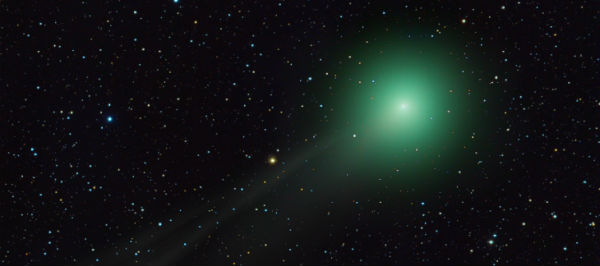
    Comet Lemmon (C/2012 F6) is visiting  the inner solar system after almost 11,000 years. Comet Lemmon (C/2012 F6) is visible from the southern hemisphere at distance about 92 million miles (0.99 AU) from Earth. Northern hemisphere observers will get their

  • ESA mulling over an ‘Asteroid deflection mission’, seeks ideas

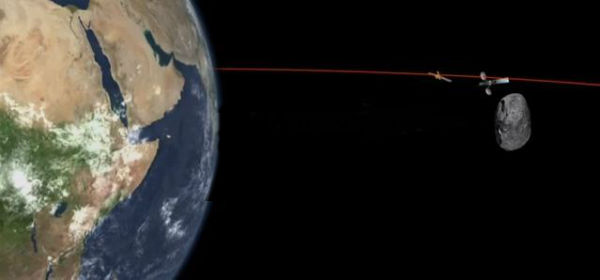
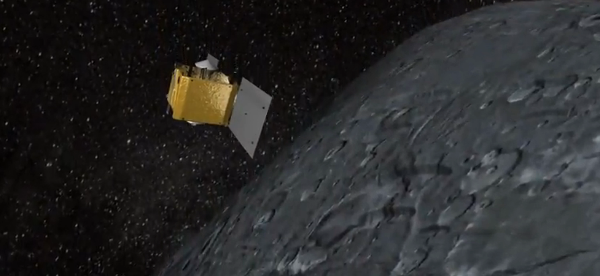
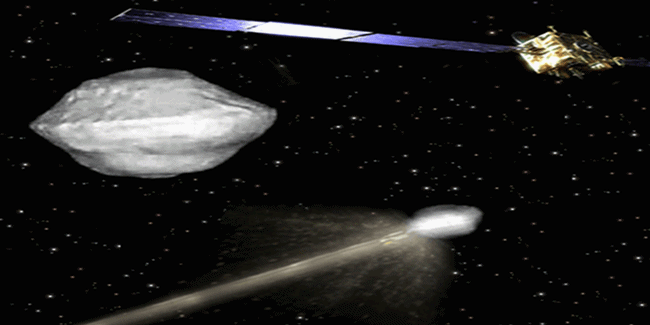
    The thought of asteroid impact on Earth is intimidating – one that’s connected with catastrophic devastation in past and have always been a hot topic for fictional stories. Though space agencies are continuously watching the sky in search of potential future impact

  • Potentially hazardous Asteroid Apophis close flyby tonight

    ESA officials announced that its infrared Herschel Space Observatory has discovered that Apophis is about 325 meters (1,066 feet) wide, nearly 20 percent larger than a previous estimate of 270 m (885 feet). A 2004 study that predicted a 2.7 percent chance of