• Eruption started north of Grindavík, lava enters city limits, Iceland

    Another eruption began south-southeast of Hagafell, Reykjanes Peninsula, Iceland at 07:57 UTC on January 14, 2024. The latest images show the lava flowing toward the town of Grindavik. The perimeter was about 450 m (1 470 feet) from the northernmost houses in the town around 08:40 UTC.

  • GDACS issues Red alert for developing cyclone near Mauritius and La Reunion

    Residents of Mauritius and La Reunion are bracing for a possible significant impact from a developing tropical cyclone — Tropical Cyclone 05S, expected to rapidly intensify and pass between the islands on January 15, 2024, as a Category 3 hurricane equivalent. When named (Belal), this will be the second named storm of the 2023/24 South-West Indian Ocean cyclone season.

  • U.S. faces first major Arctic outbreak of winter, dangerously cold wind chills expected

    The United States is bracing for its first significant Arctic air outbreak of the winter, impacting the north-central region with bitterly cold wind chills and extending through the weekend. The northern Rockies and Plains are particularly at risk, with the Arctic surge also expected to bring record-breaking cold to the south-central U.S.

  • Major storms to produce widespread, significant impacts over much of the U.S.

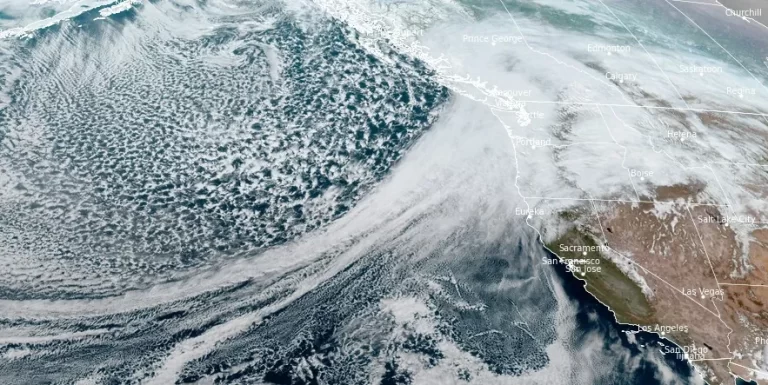
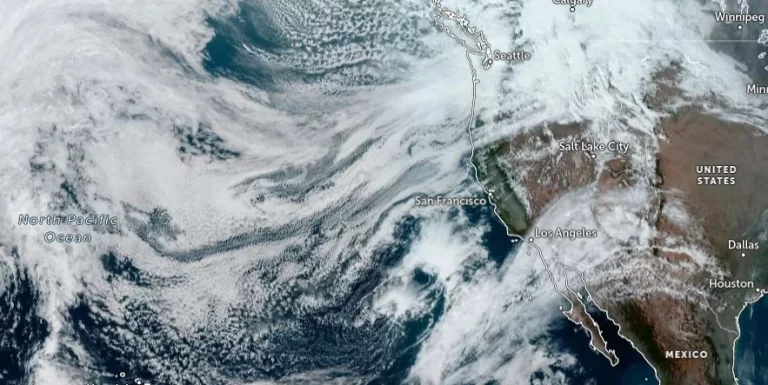
    A strengthening storm is set to impact the Central and Southern U.S., bringing a mix of heavy snow, strong winds, blizzard conditions in the Plains and Midwest, severe thunderstorms across the Gulf Coast, and widespread flooding this week. In addition, a major winter storm will bring several feet of snow to the Washington and Oregon Cascades through Tuesday, January 9, 2024.

  • Destructive M7.6 earthquake in Japan results in at least 222 fatalities, 1.2 m (4 feet) tsunami waves, and a land shift of up to 3 m (10 feet)

    A powerful M7.6 earthquake struck Ishikawa Prefecture, Japan, at 07:10 UTC (16:10 local time) on January 1, 2024, leaving extensive damage, at least 126 fatalities, and prompting a massive rescue effort. The quake led to tsunami waves of more than 120 cm (3.9 feet) and significant crustal changes, with up to 3 m (10 feet) of displacement in some areas. The region faces ongoing aftershocks and difficult rescue conditions.